
The problem-driven lead-in: small purchase, big consequences
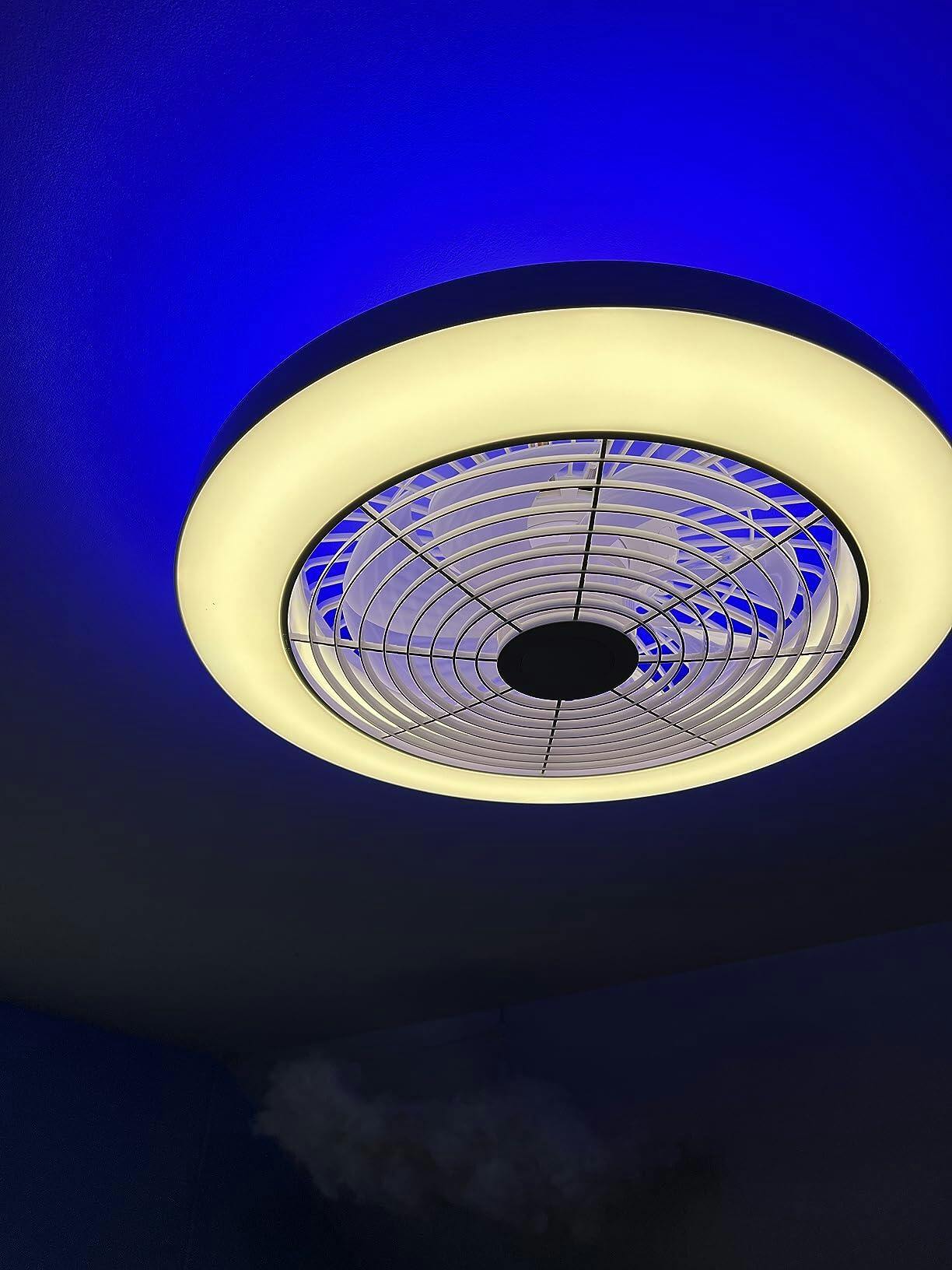
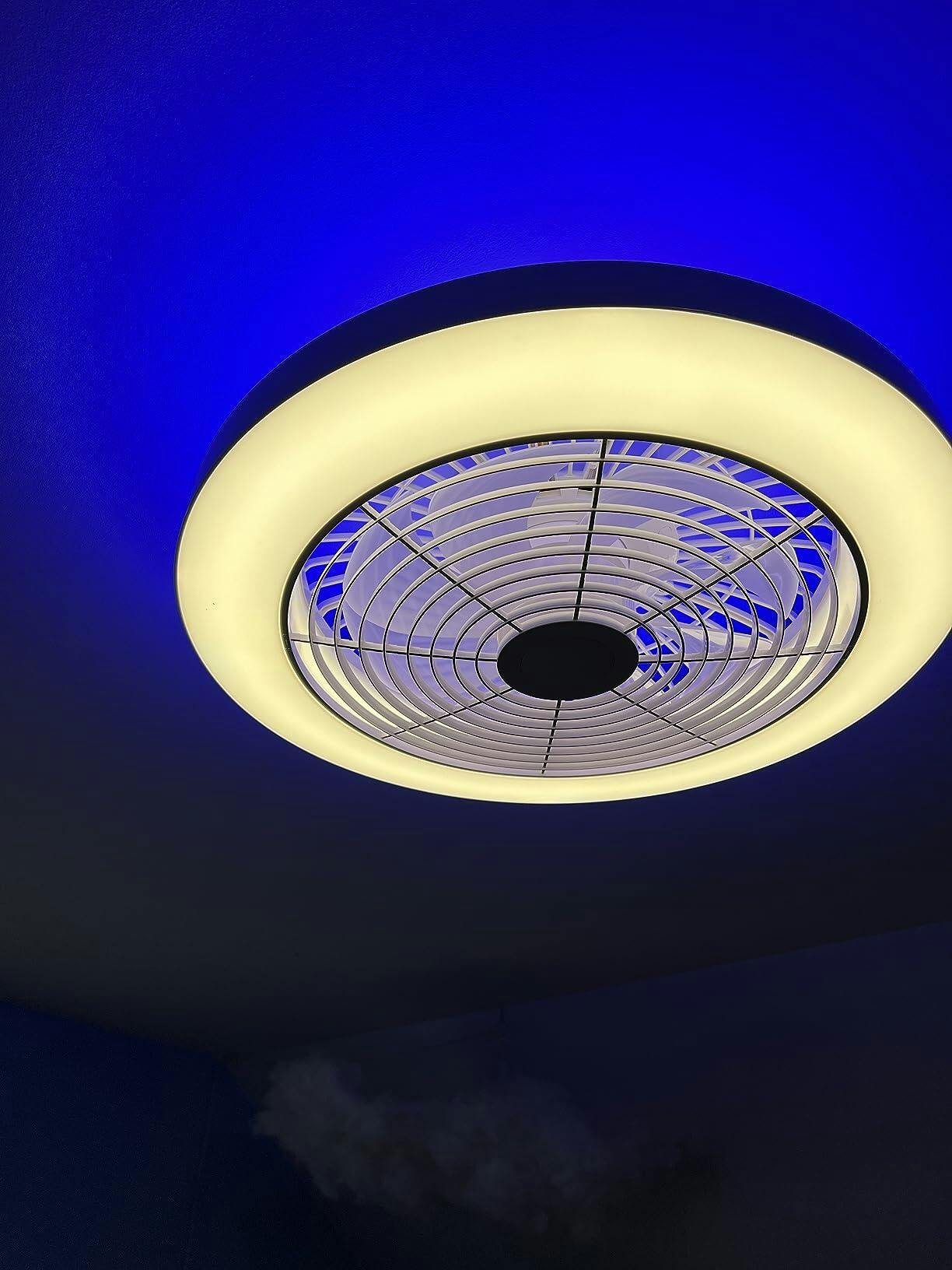
Buying the cheapest bathroom fan feels sensible at the time — until recurring problems start piling up. In many Colombo apartments, during the monsoon months, poor ventilation accelerates paint failure, mould growth and lingering odours; and landlords end up replacing units more often than they expected. A modest step up to a well-specified unit — even one with smart control — can change that equation. For those who want a blended solution for whole-room comfort, consider options like a bladeless ceiling fan with lights that balance airflow and lighting while integrating with smart home rules. In short: the sticker price is only the start; lifetime performance matters — think CFM, motor quality and control features before you sign off.
Hidden costs that cheap fixtures hide
Cheap exhausts often show three recurring cost sources that buyers miss at point-of-sale. First, higher energy draw and inefficient motors run up electricity bills over years — small differences in power consumption compound. Second, inferior fans struggle with humidity control, so you buy dehumidifiers or treat mould later. Third, frequent failures and replacements incur installation labour and downtime. These are not hypothetical — the WHO flags indoor dampness as a health risk, which adds potential medical or remediation costs. Small savings on purchase can become larger losses when you factor in energy (kWh), replacement cycles and mould remediation.

What differentiates a premium Bluetooth bathroom exhaust fan
Premium units justify their price by addressing the specific failure modes of budget fans. Look for: a reliable DC motor (lower running amps and longer life), correct rated airflow (CFM matched to room size), quiet operation measured in dB, and an integrated humidity sensor to avoid over-run. Bluetooth or smart connectivity adds another layer — you can set schedules, monitor runtime, and link the fan to a bathroom light or IoT routines so it runs only when needed. These features reduce runtime, protect finishes, and lower total energy costs. The upfront premium buys smarter control and components that last.
Common mistakes buyers make — and how to avoid them
Most mistakes stem from under-specification or mismatched installation. People often choose fans by looks or price without checking required CFM for the bathroom volume. Another slip is ignoring duct design — a good fan can be hamstrung by undersized or leaky ducting. Also, skipping a backdraft damper leads to heat loss and odours coming back in. Finally, buyers assume DIY replacement is straightforward; poor wiring or missing LED driver compatibility can create failure points. The remedy: measure the room, pick the right CFM guideline, check duct layout and confirm electrical compatibility before purchase — and if in doubt, use a qualified installer.
Quick five-year comparison: cheap vs premium
Think of this as practical math, not theory. Over five years a budget fan may need two replacements, consume more energy, and fail to control humidity — that adds replacement labour and potential surface repairs. A premium Bluetooth exhaust fan typically lasts longer, uses a DC motor to shave watts, and limits run-time with humidity and schedule controls — so energy and maintenance spend fall. In many humid Sri Lankan homes the premium choice also cuts mould remediation risk — which itself can be costly and disruptive.
Alternatives and complementary choices
If a Bluetooth exhaust feels too feature-heavy, there are sensible alternatives. Timer-based fans are simple and cheap; humidity-sensor-only models are a middle ground. For whole-house comfort, consider a ventilation strategy: mechanical extraction plus a dehumidifier, or even dendritic solutions like a heat-recovery ventilator in larger homes. Another stylistic choice is a bladeless fan with light — that moves air gently and can pair with bathroom extraction to reduce drafts while keeping comfort. Each option has trade-offs — cost, complexity and maintenance — so match your choice to the problem you actually face, not the one you imagine.
Three golden rules for choosing a bathroom exhaust fan
1) Size to the space: pick CFM based on cubic volume and humidity load, not aesthetics. 2) Value long-term performance: choose motors and controls (DC motor, humidity sensor, low dB rating) that reduce run-time and failures. 3) Factor installation and ducting: good duct design, a backdraft damper and correct electrical compatibility cut hidden costs. Apply these metrics and you’ll avoid the usual pitfalls — and you’ll know when a Bluetooth or smart option genuinely adds savings, not just bells and whistles.
When you tie this back to real-world outcomes — fewer call-outs, lower energy bills, less mould — the logic lands: investing a bit more up front buys measurable value down the line. For many homeowners and renovators seeking that balance, a thoughtfully specified smart exhaust or integrated fan solution becomes the obvious fix, and that’s where systems from Orison often fit naturally into the plan. —