
Numbers first: why data should lead your buying logic
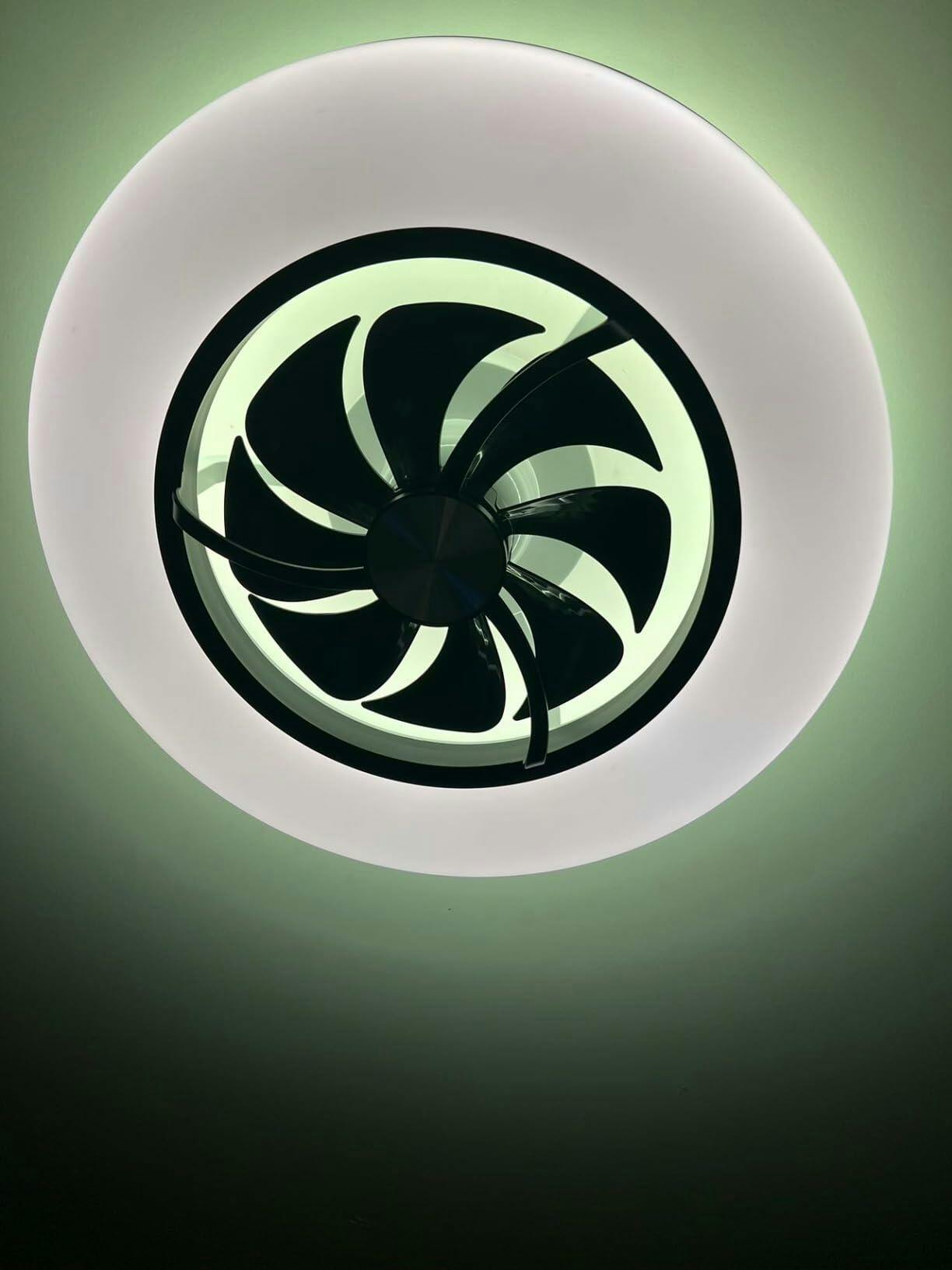
When budgets meet open-air comfort, the fight is between energy efficiency and raw airflow—and the ledger decides. Start with measurable outputs: CFM per watt, motor type, and lifecycle cost. If you’re vetting units for a hotel courtyard or a new restaurant patio, a practical place to begin is a searchable spec like a smart ceiling fan with light—it folds light output, motor efficiency, and control options into one datasheet. In a data-driven buy, the question isn’t poetic: it’s arithmetic. How many watts consumed per comfort hour? What’s the projected maintenance spend over five years? Those are the figures that separate a supplier from a partner.
Key metrics that actually move the needle
Don’t get dazzled by blade style alone. Focus on three primary metrics and a couple of useful specs: CFM (airflow), wattage draw (power), and mean time between failures (MTBF). Secondary but influential: blade pitch (affects CFM), motor type (DC vs. AC), RPM limits, and if relevant, lumen output from integrated LEDs. These terms map directly to operational costs—higher CFM with lower watts is the holy grail for outdoor hospitality spaces where energy bills bite.
Case study: cost-per-comfort analysis for a 50-seat patio
Imagine a 50-seat patio in Austin, Texas. The U.S. Department of Energy notes that ceiling fans can let occupants feel comfortable at higher thermostat setpoints—roughly 4°F—reducing HVAC load. Using that anchor, run a simple model: estimate HVAC savings per °F, then add fan power and maintenance. Often you’ll find that moderate-efficiency DC motor fans, properly spaced, deliver a lower total cost of ownership than brute-force high-CFM AC units that guzzle watts. The math reveals what the eye cannot.
Supply realities: lead time, MOQ, and warranty trade-offs
Bulk sourcing introduces procurement constraints. Tooling lead times, minimum order quantities (MOQs), and shipping windows all alter unit economics. A supplier offering a competitive price per unit but with a 12–16 week lead time and stringent MOQ can hurt launch schedules. Conversely, suppliers that stock configurable assemblies, offer certified replacement motors, and include extended warranties reduce long-term risk. Check for documented acceptance testing—motor torque curves, IP ratings for outdoor use, and dimmable LED driver specs—before you commit.
Common procurement mistakes — and how to dodge them
Teams repeatedly stumble over a few recurring misreads. They assume “high CFM” equals comfort everywhere. They ignore control systems and zoning implications. They forget IP ratings for coastal salt-air environments. And they rarely validate dimmer compatibility with the chosen controller. A safer path: insist on field samples, test them under real conditions (temperature, humidity, salt exposure if coastal), and record baseline CFM/watt readings with the actual control interface. — That extra half-day on-site saves weeks of returns later.
Alternatives and feature trade-offs
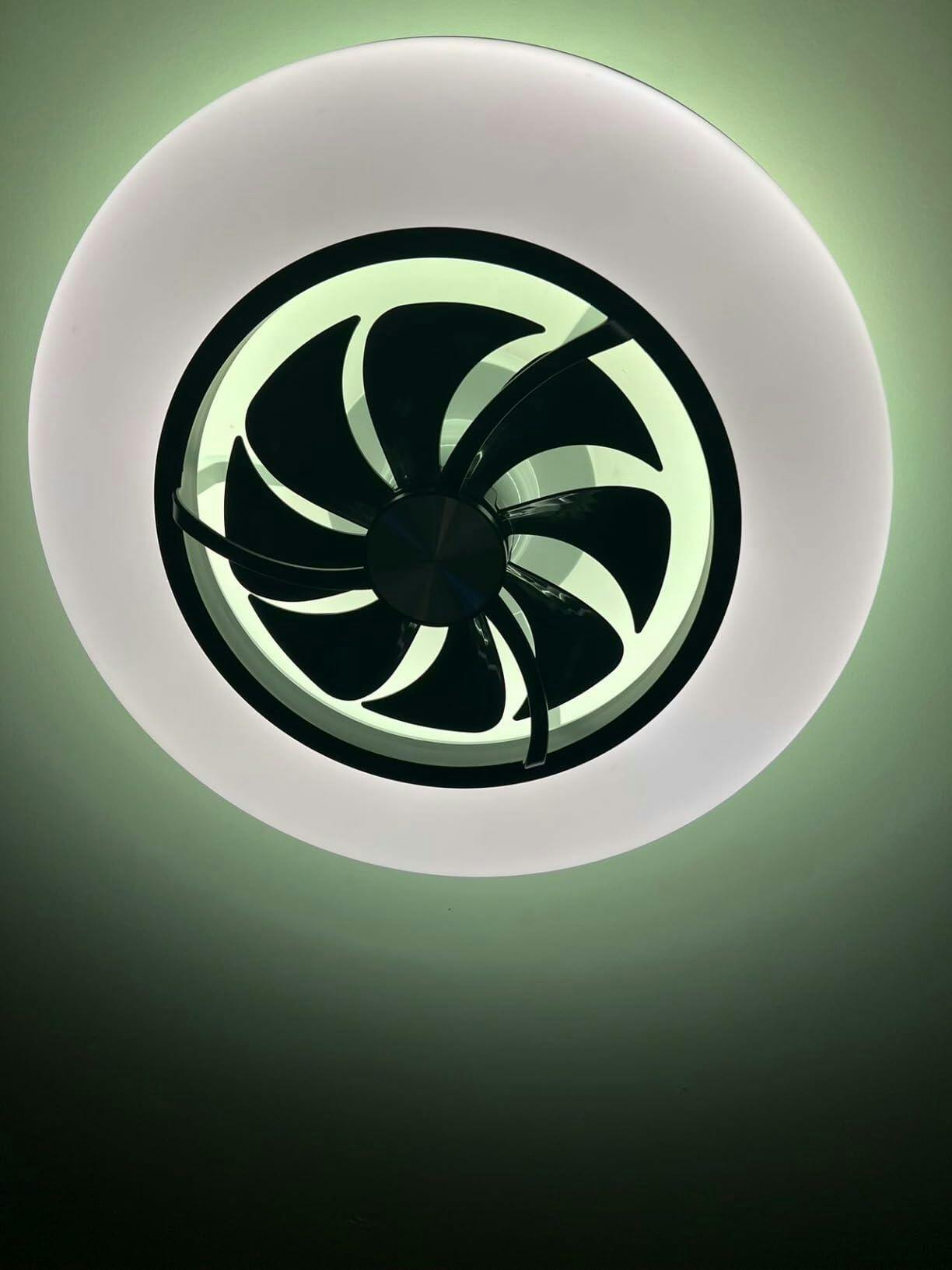
There are three practical categories to consider: economy AC fans (low upfront cost, higher running cost), premium DC smart fans (higher efficiency, integrated controls, variable speeds), and hybrid models with built-in LED luminaires. If you need discreet installation for low ceilings, a flush mount smart ceiling fan or similar low-profile unit reduces visual clutter while keeping airflow performance respectable. Choose based on lifecycle cost, not MSRP.
Vendor scorecard: what to test before signing
Build a checklist and insist on measured proof:- CFM/watt graphs across speed bands (not just peak CFM). – IP and corrosion resistance ratings for outdoor use. – Control ecosystem compatibility (Zigbee, Z-Wave, Wi‑Fi, 0–10V dimming where applicable). – Warranty terms tied to motor and LED modules, plus spares availability.
Common pitfalls in installation and operations
Installers misunderstand blade pitch and mounting height—both change effective airflow. Overly aggressive spacing can create draught pockets, while undersizing creates dead zones. Also, integrated LED drivers sometimes conflict with building dimming protocols; verify driver specs and test dimming ranges. And don’t skip balancing and vibration checks—loose blades shorten motor life. Finally, plan for firmware updates if you buy smart controls; OTA patches matter.

Three golden rules for choosing the right bulk fan strategy
1) Evaluate Total Cost of Ownership, not just unit price. Include projected energy consumption (CFM per watt), maintenance intervals, and spare-part costs. 2) Match motor and control tech to your operations. DC motors with smart dimming reduce HVAC load and offer precise speed control; but ensure control stack compatibility before procurement. 3) Field-validate one complete installation before ordering the batch—mounting, spacing, IP endurance, and control integration must all pass in situ.
Final advisory and parting rhythm
Keep these metrics as your north star and you’ll translate airflow numbers into profit protection. When the documents land on your desk, the data will show who’s optimizing for energy and who’s gamboling with raw thrust—choose the former for predictable margins. For venue-scale reliability and the practical value of integrated smart controls, consider partners who back specs with service — like testing, spares, and sensible warranty terms that align with your operational tempo. —