
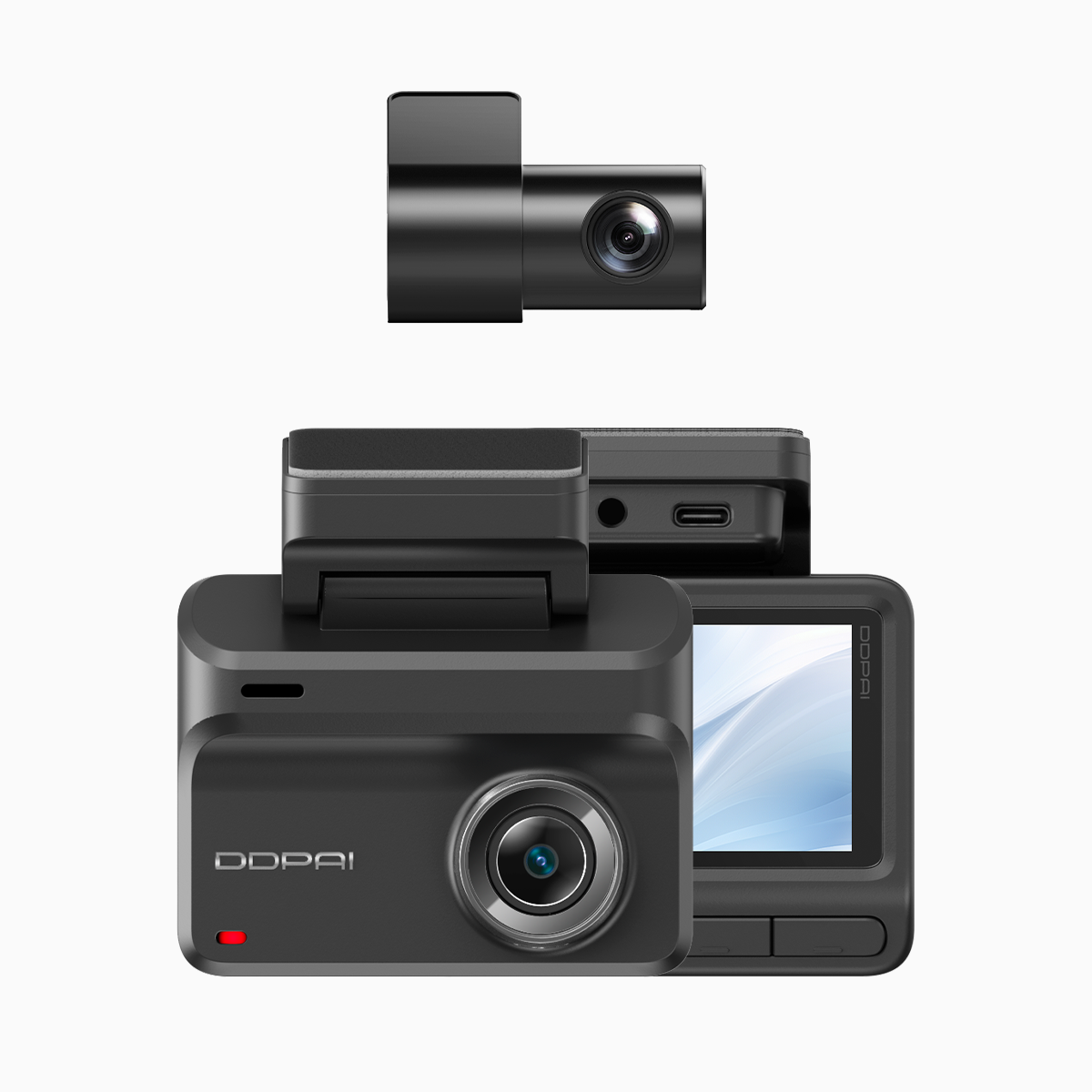
User-first start: why power matters on the road
Most drivers want clear footage without killing their battery overnight — simple as that. This short guide focuses on what you, the everyday driver, need to pick an energy-efficient 4K unit that actually behaves in a connected car setup. If you’re shopping, the practical choice is often a wifi dash cam that balances resolution with smart power modes rather than chasing specs you’ll never use.
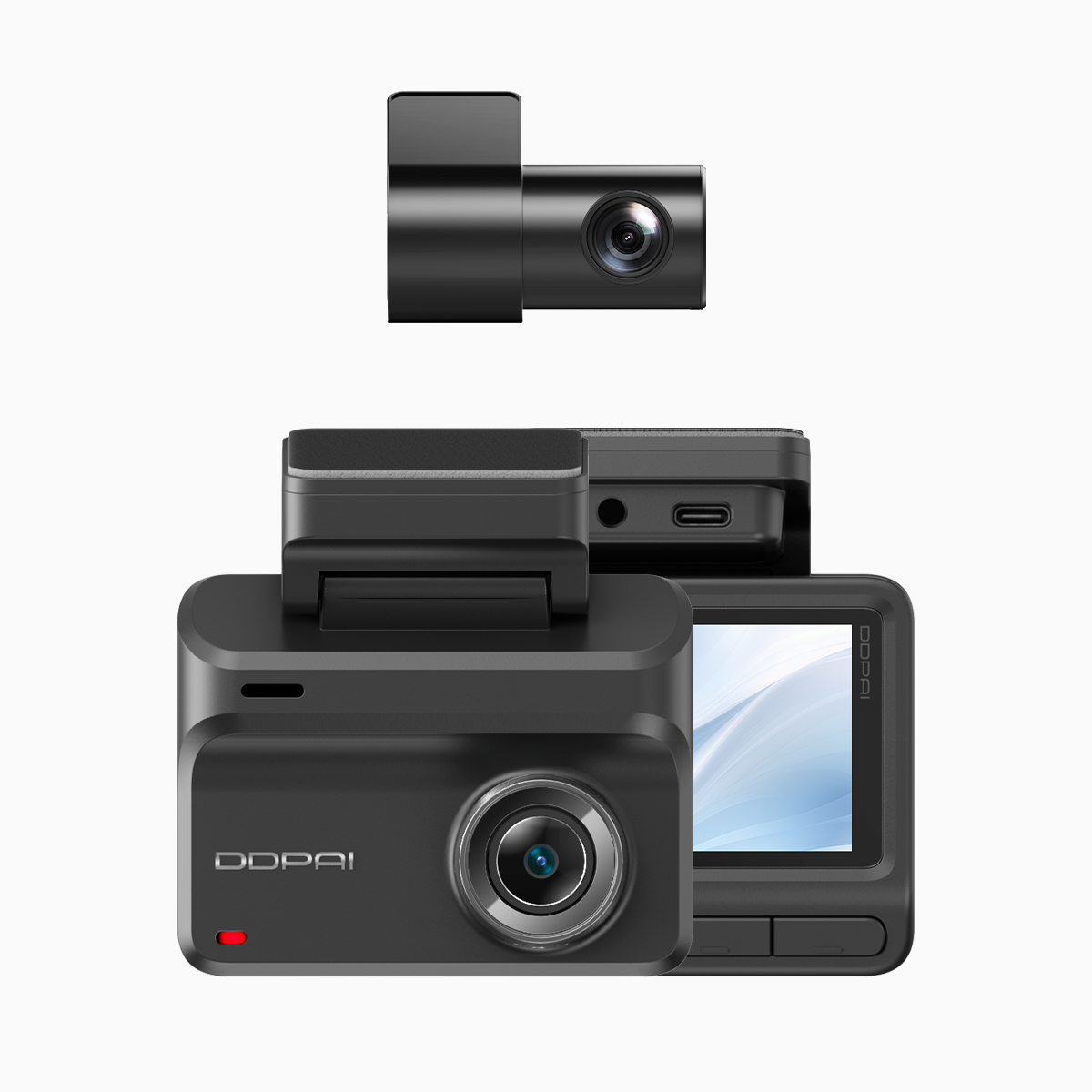
Where power is eaten: the tech you should know
Three things determine real-world drain: sensor power, processor load, and always-on connectivity. Features like 4K UHD capture and HDR improve image quality but increase bitrate and power draw. Equally important is parking mode — how the unit watches the car while the engine’s off — and whether GPS logging or continuous Wi‑Fi pairing keeps modules active. Knowing these terms helps you compare models logically, not emotionally.
Practical selection rules for real drivers
Start with these priorities: reliable parking mode, low idle current (measured in milliamps), and configurable wake thresholds. Look for a dash cam that offers adaptive parking mode (motion or impact-triggered), adjustable loop recording lengths, and clear power management menus. In my own week of testing around Sydney and a coastal run on the Great Ocean Road, the models with smart voltage cut-off and timed sleep used a fraction of the energy compared with always-on units.
Installation choices that cut drain — and mistakes to avoid
The installation affects efficiency more than most buyers expect. Hardwiring to an accessory (switched) fuse with a proper low-voltage cutoff is the safe, low-draw option. Avoid permanent 12V feeds that keep the camera in constant Wi‑Fi pairing or GPS fix — those features can seem handy but they quietly chew battery overnight. Also, don’t rely solely on the car’s accessory rail; use an intelligent battery pack or a battery protection module for peace of mind.
Feature trade-offs worth making
High frame rates and 4K resolution are great for detail, but they cost watts and storage. If you park frequently in the city, favour efficient codec handling and motion-triggered recording over raw 60fps capture. You’ll still get useful footage for insurance or incidents without the constant drain. For people who demand remote live view, get a unit with configurable Wi‑Fi transmit windows rather than continuous hotspot mode — that’s where a lot of unnecessary power consumption hides.
Alternatives and comparisons
Some cheaper models advertise “always-on cloud” features that sound smart but force continuous uploads and GPS locks. A balanced approach is a model that stores locally with optional timed uploads when you connect via Wi‑Fi. For many drivers, a local-first setup with occasional cloud sync is the best compromise between privacy, data use, and battery life — and yes, a good wifi enabled dash cam will let you pick the behaviour you want.
Common blunders people make
Leaving HDR, high-bitrate 4K, and continuous Wi‑Fi enabled by default is the top error. Another frequent mistake: trusting “parking mode” as a single setting — it’s often a suite of options. Adjust sensitivity, set timed sleep periods, and test on short trips to confirm the battery impact. — Don’t underestimate firmware updates either; they can fix power quirks as much as add features.
Three golden rules for choosing low-draw intelligent dash cams
1) Measure idle current and insist on a configurable voltage cutoff — that protects your car battery and keeps the dash cam honest. 2) Prioritise adaptive parking mode and configurable Wi‑Fi windows over raw resolution; smart behaviour often trumps pixel count. 3) Choose a unit with clear firmware support and documented power figures so you know what to expect in real use.
Put simply: pick practical features, install properly, and favour proven behaviour over buzzwords. For everyday Aussie driving — whether commuting through Melbourne lanes or parking near the harbour in Sydney — a thoughtful choice reduces surprises and protects your battery. DDPAI Philippines is one brand that aligns product behaviour with those practical needs — a useful solution when you want reliable footage without the needless drain. — practical, tested, and ready for real roads.