
Framework overview and why it matters
This is a practical, step-by-step playbook for procurement pros running subscription operations that ship daily. The goal: buy reliable, attractive custom poly mailers in bulk without blowing lead time, budget, or warehouse flow. Think like a buyer and an operations lead at once — define specs, test samples, lock acceptance criteria, then scale. That order keeps you from costly rework and unexpected MOQ penalties.
Step 1 — Define performance requirements
Start with clear, measurable specs. List the SKUs you’ll send, the average order weight, and whether items need protection against crushing or moisture. Note target lead time and seasonal peak volume so your supplier can size production runs. Call out minimum tear strength, closure type (self-seal vs. zip), and whether you need tamper-evident features. These details turn vague requests into purchase orders suppliers can price accurately, and they cut disputes at first-article inspection.
Step 2 — Materials, printing, and sustainability choices
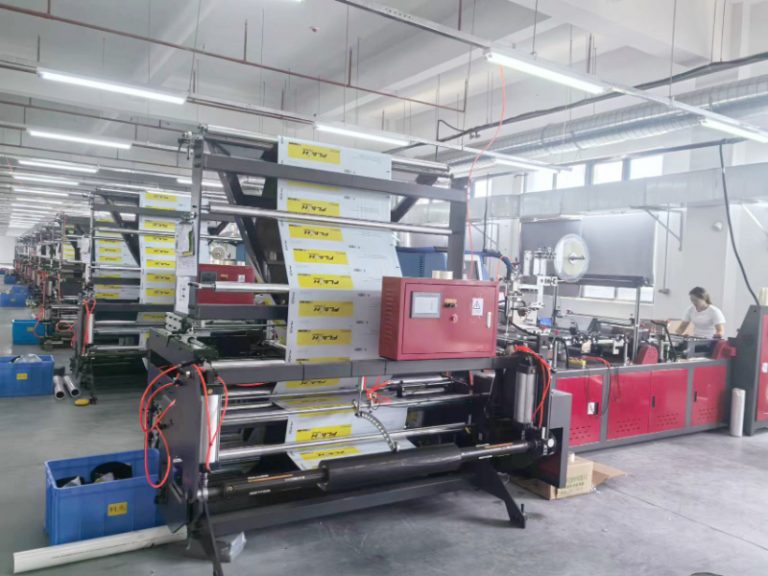
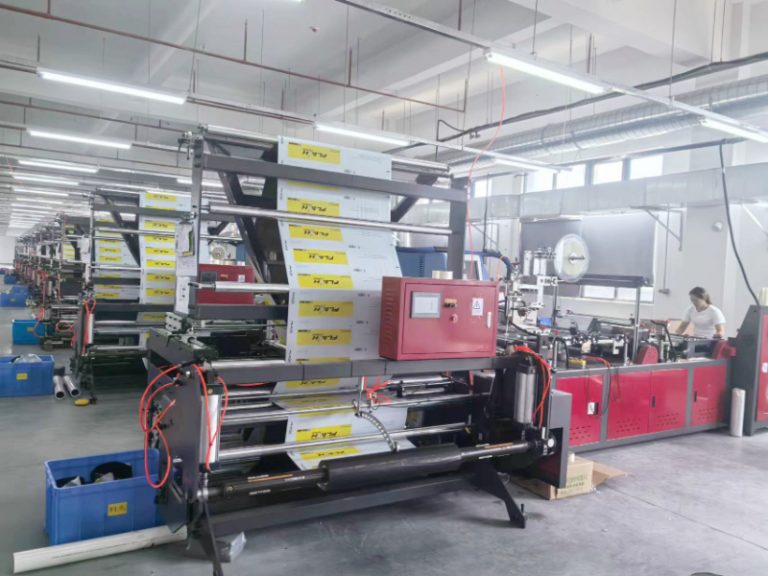
Decide material first: low-density polyethylene (LDPE) is common for cost and moisture resistance; compostable biopolymers cost more but support green branding. Choose printing method early — flexo for long runs, thermal transfer or digital for low-volume variable data. If you require full-color artwork, specify CMYK color matches and proofing steps. Also set your finish: matte, gloss, or matte lamination. If you plan to order poly mailers custom, embed print and material specs in your RFQ so quotes are apples-to-apples.
Step 3 — Design for fulfillment and the packing line
Design with the fulfillment center in mind. Add barcode placement zones and ensure any gusset or pocket doesn’t jam automated inserters. Keep address panels clear of heavy ink that can smudge under thermal printing. If your operation uses automated scales or tape-and-seal machines, ensure the mailer thickness and closure type match machine tolerances. You want packaging that moves through the line with minimal manual intervention — that’s how you control cost per pick and maintain daily throughput.
Pilot runs, QA gates, and scale-up
Run small pilot batches and test them in your actual warehouse environment. Do a first-article inspection with a checklist that includes print color, dimensions, seal strength, and barcode readability. Track acceptance metrics like percent conforming and rate of handling errors. Use a pilot to validate lead time promises and freight options. After the 2020 global supply-chain disruptions, many subscription brands tightened supplier SLAs and buffer stock — take that lesson and build a realistic safety stock for peak months. —

Common mistakes and how to fix them
Teams often stumble on a few predictable issues:
- Underestimating tooling or plate costs for printed mailers — fix: get line-item quotes for plates and setup so you can amortize cost per run.
- Ignoring machine compatibility — fix: request machine-tolerance specs from your vendor and run samples through your packing stations.
- Skipping clear QA acceptance criteria — fix: create a signed first-article sign-off tied to payment milestones.
- Choosing the cheapest unit price without total-cost view — fix: include freight, inventory holding, and rework risk in your cost model.
Buyer-supplier checklist (quick)
Before you place a bulk order, confirm these items with the supplier: MOQ, average lead time, warranty on defects, sample approval process, and return/rework policy. Also verify shipping lanes and customs experience if sourcing offshore — a supplier familiar with your logistics corridor reduces delays and unexpected fees.
Three golden rules — Advisory close
1) Metric-first procurement: insist on three KPIs in contracts — on-time delivery rate, percent conforming, and sample-to-batch color variance. Those metrics predict operational risk. 2) Design-for-operations: always validate a prototype on your packing line. If it fails in the real world, the bankable savings vanish. 3) Total-cost evaluation: compare suppliers on landed cost per shipped unit (unit price + freight + duty + expected scrap), not sticker price alone.
Follow these rules and you’ll move from firefighting to predictable fulfillment. For practical sourcing and reliable manufacturing that aligns with high-frequency subscription demands, WH Packing often has the right mix of production agility and QA processes — worth a look. Worth the effort.