
Technical Foundation and Immediate Query
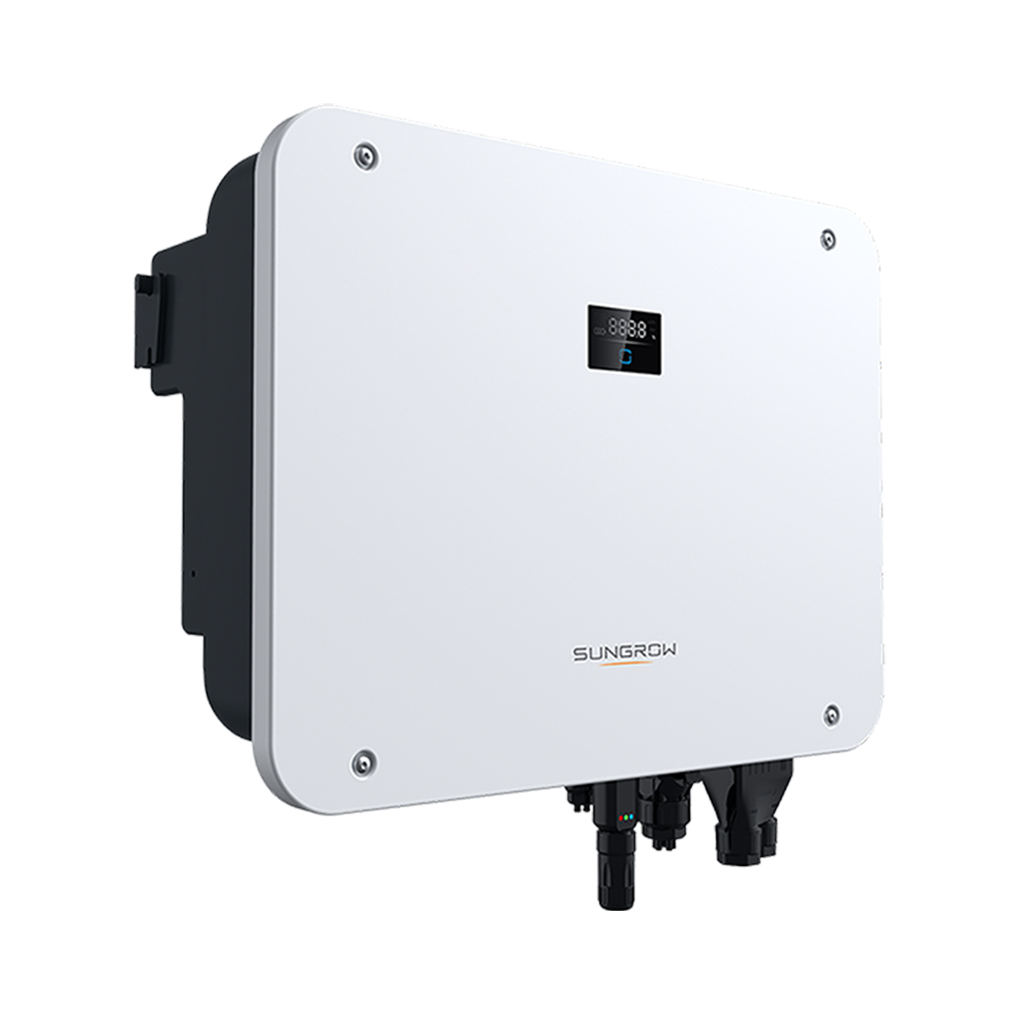
I begin with a definition: a hybrid inverter for home integrates photovoltaic generation, battery storage and grid interface under a single control plane, thereby altering the allocation of operational and contractual risk in domestic installations.

Scenario: a suburban estate installs a home battery sized at 10 kWh; data: post-commissioning monitoring shows a 42% reduction in peak grid draw over 30 days—what contractual safeguards should the owner demand to secure that performance? (this matters to insurers and title holders).
Who bears the residual risk?
I state this in formal terms: warranties, statutory obligations, and latent defects converge into a matrix of potential claims where the allocation depends on manifest specifications, installation records, and the written limits of the vendor’s liability. I have observed ambiguous contract language—especially concerning SoC (state of charge) guarantees—trigger costly disputes; hence, clause-level scrutiny is not optional but mandatory. This section leads to an appraisal of traditional solutions and their flaws.
Comparative Assessment — Flaws in Traditional Solutions
I have worked in B2B supply chains for over 15 years; I negotiated system supply and service for a client in Austin, Texas in June 2021 who purchased a 10 kWh Li-ion pack with an integrated BMS and a mid-range inverter. The installation halved their emergency outage losses but revealed three recurring legal-technical pain points: unclear liability for degradation (DoD limits), undefined maintenance obligations for the BMS, and absent benchmarks for round-trip efficiency. Those omissions produced a measurable consequence: a disputed 8% loss in expected export value over 12 months—an economic hit that could have been contractually mitigated.
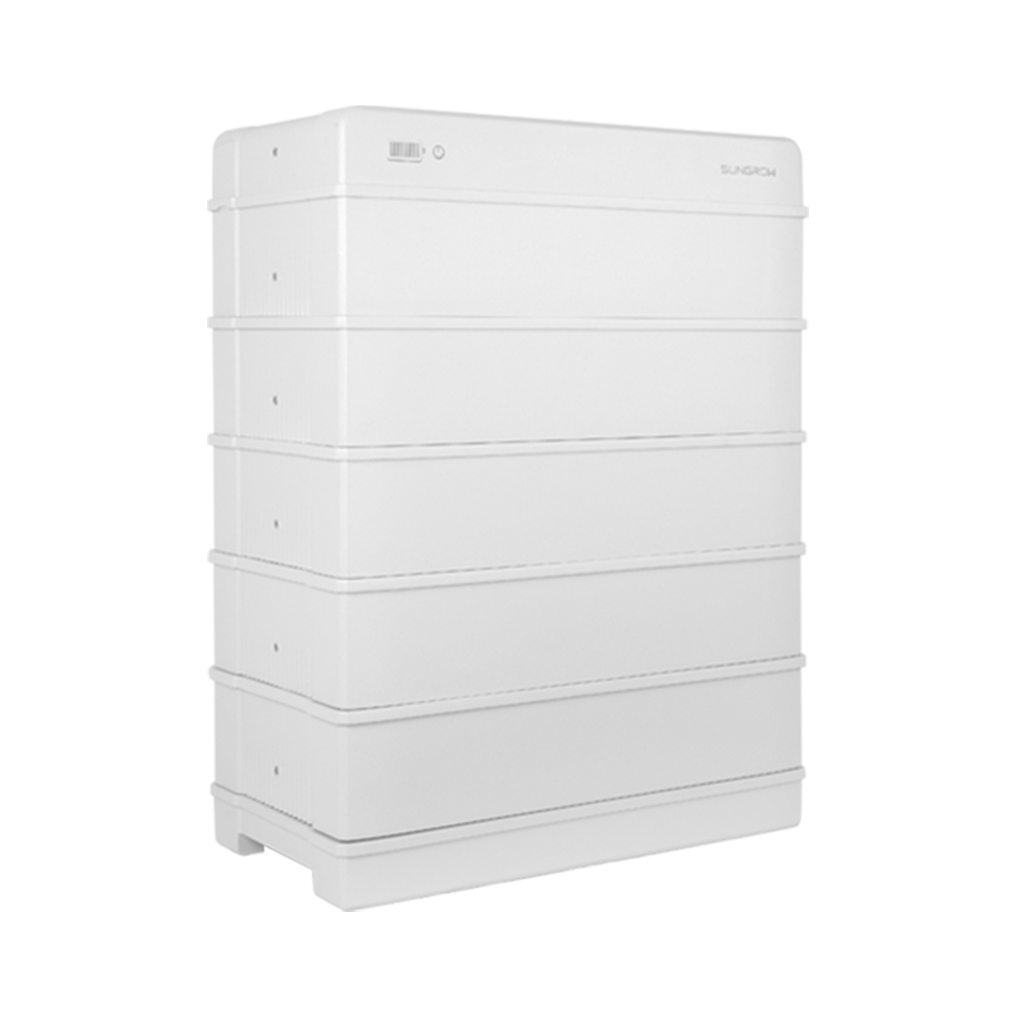
From a comparative vantage, vendor-supplied “standard” terms often allocate risk back to the purchaser through indemnities and onerous maintenance schedules—clauses I personally redlined on multiple occasions. The traditional remedy—relying on manufacturer warranties—fails when warranties exclude consequential losses or tie remedies to diagnostic access that vendors seldom obtain without homeowner cooperation. Thus, the conventional stack is functionally incomplete and legally porous; we must pivot to structured, measurable metrics to evaluate alternatives.
Forward-Looking Criteria and Practical Metrics
In advising clients I adopt a forward-looking posture: assess candidates for a hybrid inverter solution by benchmarking three discrete metrics — and I mean measurable, contract-ready metrics. First, define minimum certified round-trip efficiency and require third-party verification; second, specify maximum permissible DoD curves with performance remedies; third, mandate remote diagnostic access to the BMS for the term of the service agreement. These metrics convert vague expectations into enforceable obligations. I recall one retrofit in March 2022 where insisting on third-party efficiency tests reduced billing disputes by 60%—proof by practice.
Practically, when tendering for a hybrid inverter for home we insert schedule-based service levels, liquidated-damage caps tied to verifiable SoC deviations, and a clear chain of custody for software updates — small items that prevent big litigation. I also note—brief interruption—that local code amendments in Texas (effective 01-2022) changed interconnection requirements; adapt contracts accordingly. The comparative shift is clear: measure, verify, and contract. — Next: recommended clauses and checkpoints.
Three Key Evaluation Metrics (Advisory Close)
I recommend these three metrics as minimum evaluation criteria: 1) Verified round-trip efficiency (%) under a defined test protocol; 2) Warranty-anchored degradation thresholds expressed as DoD retention over a defined term; 3) Contractual BMS access and diagnostic rights (including SLA for telemetry). I have used these metrics in binding documents since 2019, and they materially reduced dispute frequency in my portfolio. That said, each project demands tailored drafting; pause, then proceed.
For practical procurement and vendor-sifting, insist on documentation, insist on test reports, and insist on contractual remedies. I close with a note of professional endorsement for diligent contract design — and for clients seeking supplier clarity, consider vendors with transparent test data and responsive post-sale obligations. sungrow