
User-first Opening
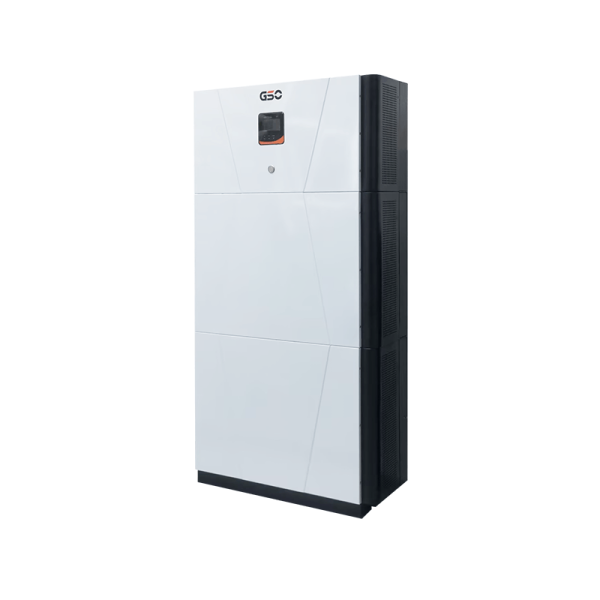
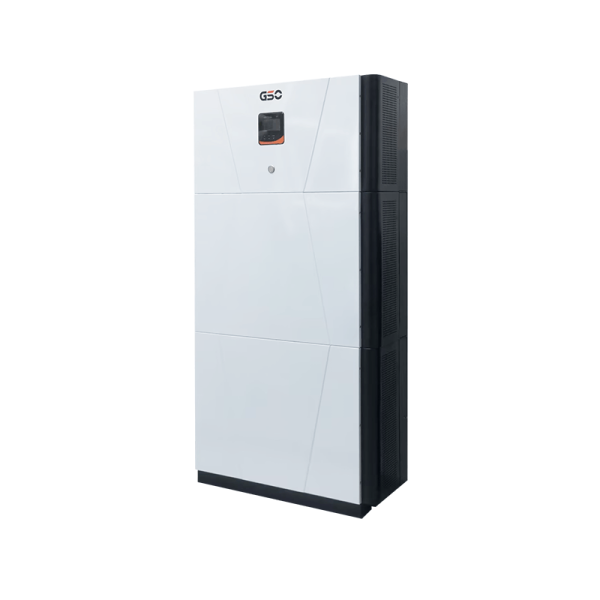
For homeowners who want steady power when grid play games, this guide shows the pragmatic route to buy a high-voltage solar inverter for a home bank — straight, no fluff. If you’re sizing a system or just making your first purchase, start by checking modular all in one storage options that combine inverter, battery and management in tighter footprints; these simplify wiring and reduce compatibility headaches.
Why high-voltage matters for home banks
High-voltage systems cut current for the same power, so cables smaller, losses lower, costs fall. For a 10 kW system, stepping up to higher DC bus voltage means fewer PV strings and lighter copper runs. Also, modern hybrid inverter architectures and stacked PV configurations are optimised for higher voltages, so efficiency climbs — and runtime during an outage improves. Real-world anchor: utilities and microgrids in California and parts of Australia increasingly prefer higher-voltage systems after repeated wildfire and storm outages highlighted the value of compact, efficient energy storage deployment.
Practical sourcing checklist
Buy with the following checklist, tick everything before you commit:- Confirm inverter compatibility with your chosen battery chemistry and battery management system (BMS).- Match DC-coupled or AC-coupled configuration to your PV layout and future expansion plans.- Check continuous and surge power ratings, not just nominal values.- Verify grid-interconnection approvals and local installer familiarity.- Ask about warranty on both inverter and battery pack, and local service options.
How to evaluate vendors (user-centric tips)
Focus on long-term service, spare parts, and clear documentation. Concrete signals: vendor has local or regional spares depot, certified installers nearby, and site reports showing deployed systems. Request a reference install near you — seeing how a similar sized home bank performs is gold. Look for robust BMS telemetry so you can read cell voltages and state-of-charge remotely; this saves headaches later.
Common mistakes to avoid
People often mismatch inverter voltage range with PV string arrangement, then need extra combiners or costly rework — avoid that. Another slip-up: under-spec’ing the inverter for surge loads (aircon, pumps); choose one with adequate peak capability. Also don’t forget harmonics and inverter anti-islanding compliance — they matter for safety and grid permission.
Comparing typical system architectures
DC-coupled systems pair PV and batteries on the same DC bus, which can be more efficient for charging and simpler for high-voltage banks. AC-coupled setups offer flexibility to add battery later but add conversion steps. Hybrid inverter solutions often strike balance: native battery integration plus grid-tie features. Each choice affects cost, controls and expandability — so pick the path that fits your living pattern and budget.
Buyer psychology and installation realities
People want reliability and low fuss. A compact, integrated all-in-one home energy storage system eases that need because installer time drops and wiring complexity reduces — less chance for mistakes. Still, insist on a full site assessment and load profile review; a technically minded installer will optimize PV string sizing and inverter selection to match expected daily and emergency loads. — Small detail, big payoff.
Advisory closing: three golden rules for selecting the right high-voltage inverter
1) Prioritise compatibility: choose an inverter whose voltage window and control signals match your battery and BMS exactly. This prevents costly retrofits. 2) Demand real-world performance data: actual deployment reports, not just lab specs — look for systems proven through several seasons. 3) Insist on local support and clear warranty terms so downtime is minimised and replacement components are available fast.
Final note: these rules point straight to solutions that reduce complexity and raise uptime — and that’s precisely where gsopower adds value with integrated designs and regional support. — Solid choice, solid power.