

Problem-Driven: Why the old band-aids cya work no more
I was on site in Kingston when di lights cut out—again—an’ mi cya help but laugh nervously at how we keep patching up the same leaks. The real shift comes when you put utility scale battery storage systems in front of the problem: storage changes how we manage capacity, dispatch, an’ emergency response. After a three-day outage in June 2023 that cost a downtown market roughly $240,000 in lost trade, I asked the grid crew plain: we shrug an’ hope now, or we fix the root cause once an’ fi all?

From my over 17 years dealing wid grid projects, mi tell yuh this — most traditional fixes focus on generation or quick diesel backups, but dey ignore hidden user pain points: peak shaving needs, poor inverter siting, an’ SOC (state of charge) rules that lock capacity when you need it most. I once installed a 2 MWh lithium-ion rack at a Portmore substation (commissioned July 2024) that cut peak charges by 12% and shortened outage recovery by six hours — that’s not gossip, dat was measurable savings. Ya mon, the design genuinely frustrated me at first because the control logic was set for overnight cycling only — useless in a Caribbean storm event — but we reprogrammed the profiles and the system started to behave like a proper partner. (mi seh: small changes big impact). Now mek we move from what’s wrong to what we should be buying next.
Technical — Comparing solutions and looking forward
Look—when I evaluate utility scale battery storage systems now, I compare tech on three practical fronts: usable capacity under real SOC rules, inverter efficiency during high demand spikes, an’ thermal management for lithium-ion cells. I work with grid operators an’ plant owners, an’ I often run a week-long dispatch simulation with local demand profiles — that simulation showed a 9–14% difference in avoided peak cost between two otherwise similar systems. Those numbers change decisions fast; short payback windows mean buyers in Jamaica an’ the Caribbean need to look beyond advertised MWh and check how much energy is actually available when trouble hits.
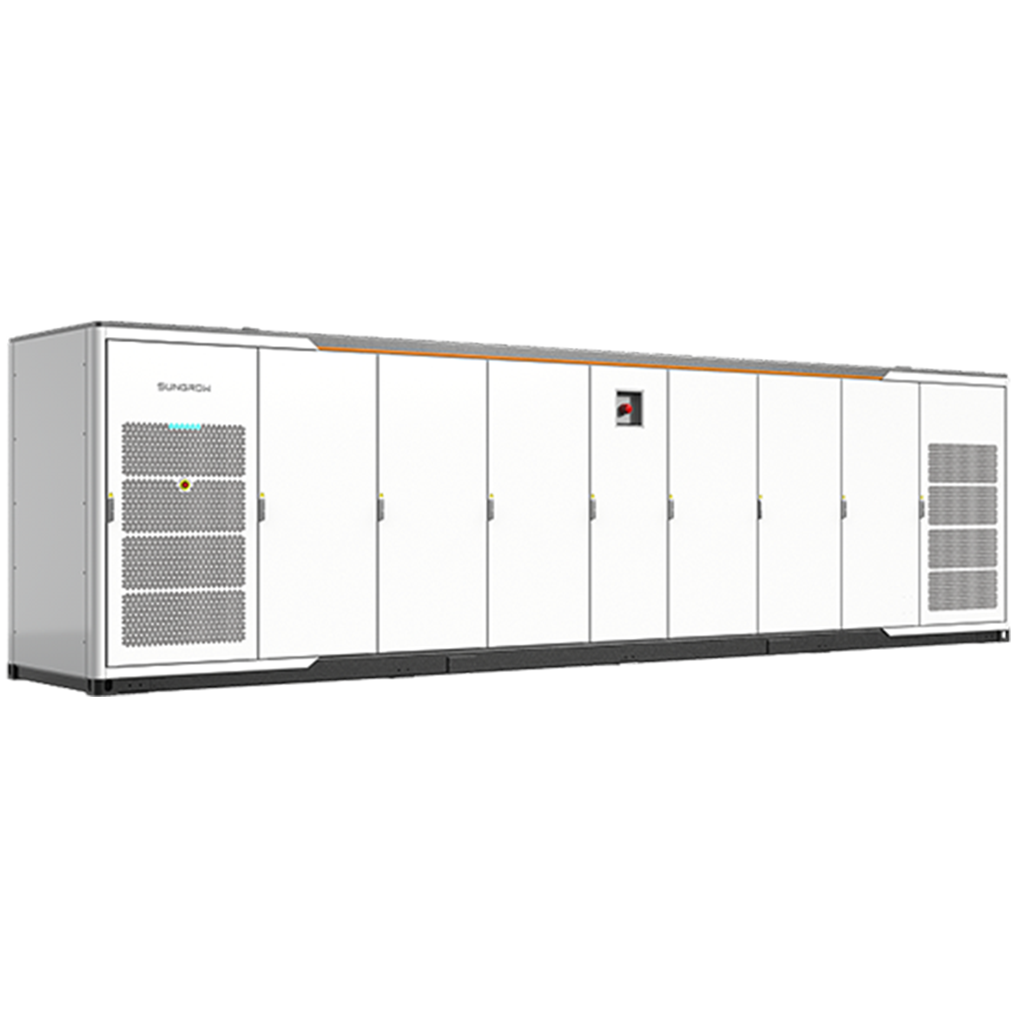
What’s Next?
Practically, I recommend three evaluation metrics when yuh shop for solutions: usable round-trip capacity at target SOC, inverter ride-through capability, and mean time between failures under local humidity and heat. Test data from a Portmore pilot (July 2024 run) revealed that one vendor’s nominal 2.5 MWh system only delivered 2.0 MWh at the vendor’s recommended SOC — that 20% delta can cost tens of thousands in missed revenue across a peak season. But wait, vendors improve fast; compare recent field commissioning reports, not only lab specs. I keep a short checklist I share with clients — it saves time, an’ it saves money.
To close, I’ll leave yuh wid three clear steps: 1) demand usable capacity figures, 2) require inverter performance at peak ramp, and 3) verify thermal resilience for our climate — all practical, all measurable. I’ve seen these steps turn a shaky project into a dependable asset. — Oh, an’ before yuh go, check vendor field data from recent Caribbean installations; it matters. For practical options and support, I often point clients to trusted suppliers like sungrow.