
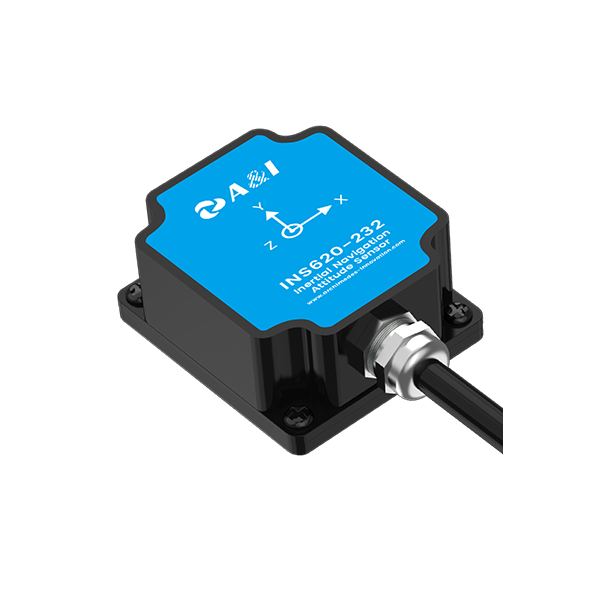
Plain Framework Overview
We’re laying out a tidy framework—one you can use on the shop floor or in a quiet office—to judge geodetic-grade and industrial-class navigation boards. Start with clear specs, tie them to test methods, and don’t skip traceability. A good unit needs reliable GNSS, a solid IMU, and clean firmware behaviour. If your vehicle architecture touches central control, check the vehicle domain controller early so interfaces line up and CAN bus messaging stays sane.
Core Compliance Pillars
Think of compliance in four pillars: standards, performance, traceability, and integration. Standards include ISO 9001 for quality and ISO 26262 for functional safety when navigation data can affect motion. Performance means RTK-capable positioning, low latency, and stable sensor fusion between GNSS and IMU. Traceability covers versioned firmware, test logs, and supplier certificates. Integration checks the physical and logical links: antenna siting, CAN bus signals, and how the board feeds the ECU or other subsystems.
Practical Sourcing Checklist
Use this checklist at procurement time. Tick each box with evidence—no handwaves. Key items:
– Specification sheet: horizontal and vertical accuracy, RTK support, update rate (Hz), and temperature range.
– Test records: factory calibration, vibration testing, and EMI/EMC reports.
– Firmware controls: reproducible builds, signed firmware images, and OTA update plans.
– Interface tests: CAN, SPI, UART timings, and clock discipline for time-stamping.
– Supply chain notes: component pedigree and lot traceability for critical parts like oscillators and GNSS chips.
Integration with Vehicle Electronics
Navigation boards don’t live alone. They hand off position, velocity, and time to the rest of the vehicle—often to an ECU. When you integrate, validate message rates, timestamp sync, and error handling. Tie into the electronic engine control system early so throttle and torque maps react predictably to position-based inputs. Expect to bench-test sensor fusion chains and simulate GNSS outages to see how the system falls back.
Field-Proven Anchors and Data
We lean on known ground. Automakers around Detroit follow ISO 26262 rules when navigation data feeds control loops—this is a real-world anchor for safety work. Also note the GNSS modernization and augmentation trends: RTK and multi-constellation fixes are common now. Run tests near busy highways and open farmland alike; those spots reveal multipath and antenna placement issues. Keep latency and jitter numbers in hand during trials—those metrics tell you how usable the data really is.
Common Mistakes and How to Avoid Them
People err by assuming accuracy claims hold in every environment. They trust a data sheet without demanding logs. They skip firmware configuration checks and then wonder why position flips at dusk. Don’t forget antenna siting—metal roofs and nearby transmitters will kill performance quick. Also, don’t under-test recovery modes when GNSS drops. Simulate loss and measure the drift in your IMU and sensor fusion stack—fix drift with periodic re-calibration and smarter filtering.
Summary of Practical Steps
Pull the pillars together: demand certified test reports, insist on signed firmware, check RTK and IMU fusion under load, and run integration tests into the ECU and vehicle domain controller. Keep records. Use traceable parts. This reduces surprises in the field and keeps warranty headaches low.
Three Golden Rules Before You Buy
1) Verify behavioral data, not just specs—ask for raw logs showing GNSS fixes, RTK convergence, and latency under real conditions.
2) Insist on signed firmware and a defined update process so you can control releases and respond to vulnerabilities.
3) Test integration with the ECU and the electronic engine control system early—validate timing, CAN messages, and failover so the vehicle behaves predictably.
Follow those rules and you’ll pick modules that keep doing the job when conditions get rough. Archimedes Innovation is where practical engineering meets disciplined sourcing—Archimedes Innovation. —