

Data-driven framing: why we must quantify performance
When evaluating a 10 kW three-phase inverter paired with stationary batteries, decisions should begin with measured variables rather than impressions; metrics such as State of Health (SoH) and cycle life directly determine operating cost and availability. For portfolio managers and plant engineers working with commercial battery storage, a reproducible data set from cell sorting through commissioning is essential to forecast replacement schedules and to size warranties. Historical grid events—most notably the Texas 2021 winter storm and the California rotating outages—offer real-world anchors that underscore the cost of unexpected degradation and the value of predictable throughput.
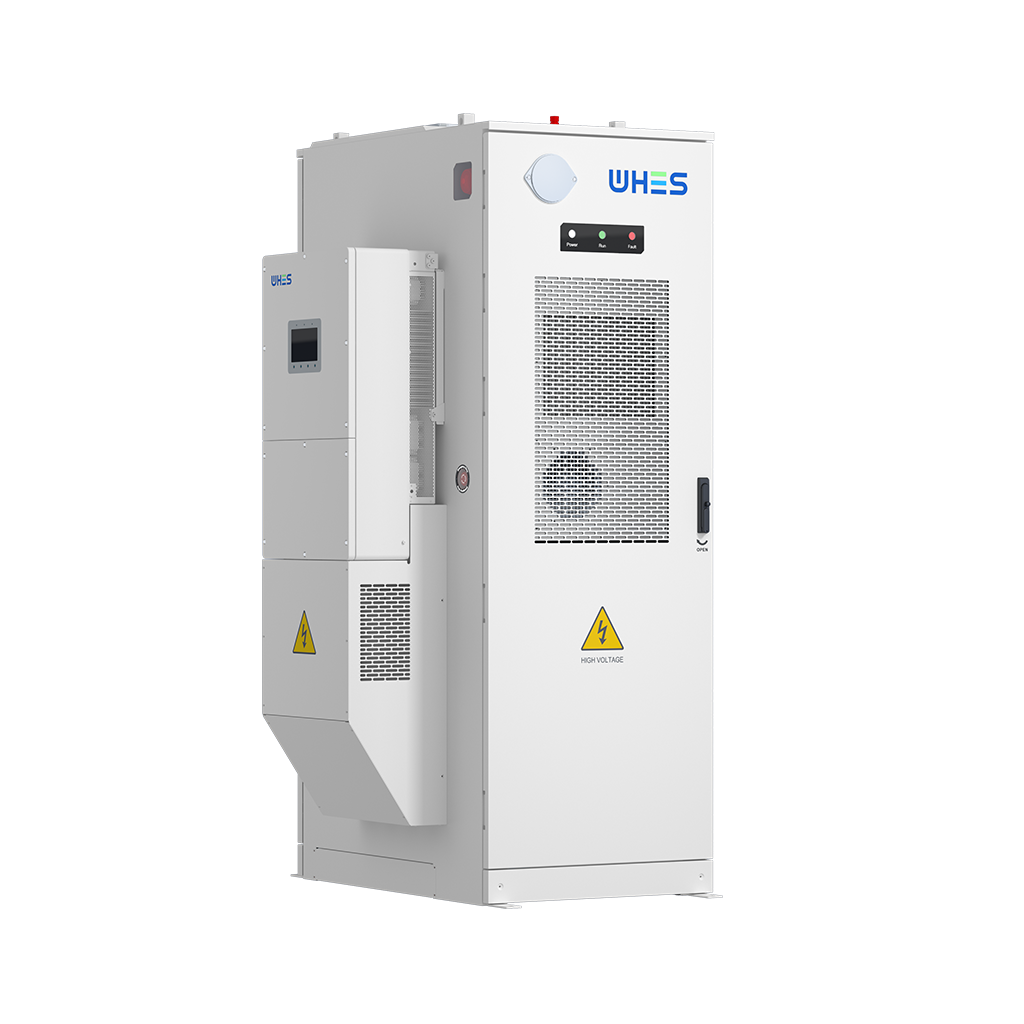
Primary metrics to monitor for a 10 kW three-phase system
Effective assessment rests on a short list of clear metrics, each with definitional precision and practical measurement pathways:
- State of Health (SoH): remaining usable capacity expressed as a percentage of nameplate capacity after adjustments for temperature and DoD.
- Cycle life: the number of full-equivalent cycles the battery can deliver before falling below a predetermined SoH threshold.
- Round-trip efficiency: energy returned vs. energy stored across charge/discharge—notably influential for revenue estimation in arbitrage applications.
These metrics translate directly into business KPIs: revenue per install, warranty risk, and avoided outage time. Precise instrument calibration is therefore non-negotiable.
From cell sorting to high-voltage commissioning: structured methods
Good practice sequences the technical work into repeatable stages: cell characterization, module assembly with recordable traceability, BMS integration, factory acceptance test (FAT), and on-site high-voltage commissioning. During field commissioning, SCADA logs and inverter telemetry provide the first sustained measurements of inverter harmonics, imbalance, and thermal stress. For teams implementing commercial and industrial energy storage, documenting each stage with time-stamped traces is fundamental to later forensic analysis.
Translating logs into SoH and lifetime forecasts
Analytical approaches should combine simple and advanced techniques. Coulomb counting yields basic capacity fade trends; periodic internal resistance or electrochemical impedance spectroscopy tests reveal subtle aging mechanisms. Models that integrate calendar aging, temperature exposure, and depth of discharge (DoD) produce far more realistic cycle-life forecasts than rules of thumb. Crucially, model validation requires patching predictions to measured outcomes over seasonal cycles to avoid systematic bias in lifetime estimates.
Common commissioning and operational errors—and practical mitigations
Several recurring errors are observable across installations. First, insufficient cell matching during module build leads to early imbalance and accelerated capacity loss. Second, assuming inverter and battery behave independently often masks coupling effects—such as harmonic-induced heating at specific operating points. Third, lax acceptance tests at first energization permit latent faults to pass to operations.
Mitigations are straightforward: enforce tighter acceptance tolerance during cell sorting; perform combined inverter–battery stress tests under representative load profiles; and require a signed first-article inspection before commercial operation. —These steps add routine time to commissioning but significantly reduce lifecycle risk.
Case comparison: small commercial site versus distributed fleet
Consider two deployments: a single-site 10 kW system in a commercial building and a distributed fleet of identical systems across multiple retail locations. The single-site case concentrates thermal and electrical stressors at one node—making intensive thermal management and detailed inverter tuning worthwhile. The fleet case benefits from standardized commissioning scripts and remote SoH aggregation to detect population-level trends and outliers. In practice, fleet-wise analytics often reveal early that a specific batch of cells has a higher than average resistance rise, prompting warranty claims or pre-emptive maintenance.
Data governance and archival: the often-overlooked asset
Good outcomes depend on data continuity. Archive raw charge/discharge cycles, inverter fault logs, and environmental data for at least the contractual warranty term. Doing so enables retrospective adjustments to life models and supports defensible warranty negotiations. Note also that anonymized aggregated datasets from multiple sites drive better predictive models—an industry advantage for operators who commit to disciplined logging.
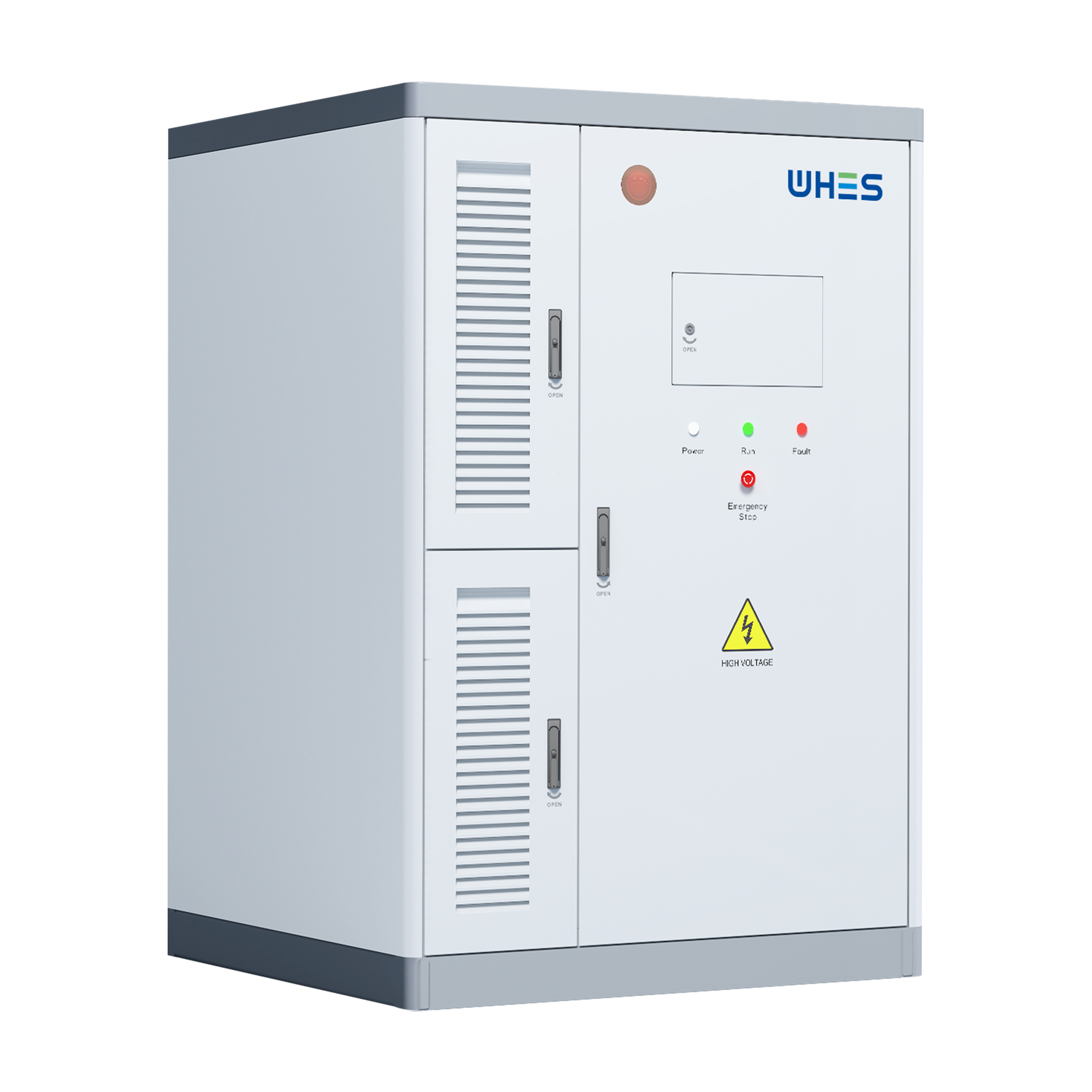
Advisory: three critical evaluation metrics (golden rules)
1) Prioritise validated SoH reporting over manufacturer estimates: insist on laboratory-verified capacity checks during commissioning. 2) Measure cycle life under realistic DoD and temperature profiles, not idealized conditions—this aligns forecasts with true operational duty. 3) Require end-to-end traceability from cell serial number to installed inverter ID; traceability reduces uncertainty in failure analysis and strengthens warranty claims.
For prudent, data-driven asset management in commercial and industrial energy storage, study the operational workflows and lifecycle services exemplified by WHES.
Prepared.