

Start Here: The problem every small shop hits
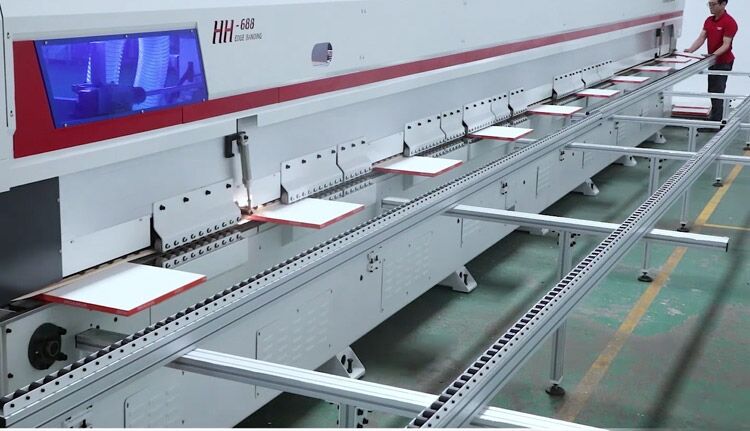
Too many workshops start off sweet as, then choke on throughput, inconsistencies and late orders — that’s the usual story. You might be flat out building single pieces, then a few repeat jobs roll in and suddenly edging, assembly and finishing become the longest tails. Automating the right repeat tasks early — like with an automatic edge banding machine — fixes one huge pain point: edges that take ages and give customers grief. Problem-driven thinking means you fix the pain that’s stopping more work, not the neat shiny toy you saw online.

Pinpoint the real bottlenecks
Walk the whole job from cutting list to delivery and time every step for a couple of typical jobs. Watch where work stalls: is it spray booth time, glue curing, edge cleanup, or just people waiting on jigs? Don’t guess. Track cycle time, scrap rate and rework causes for a fortnight and you’ll have a shortlist of what actually costs you money and reputation.
Shop layout fixes that actually help
Shorten movement. Put sequenced stations so panels flow: cutting, edge prep, edge banding, trimming, assembly, buffing. Keep feed tables and workbenches at the right height so folks aren’t bending constantly. A simple conveyor from the edgebander to the trimming station stops hand-carry delays. Little changes reduce knock-on delays; that’s the point.
Machines that move the needle — and which ones to avoid
Not every machine is a winner for a small shop. CNC routers are brilliant for repeat profiles, but they’re expensive to run for one-off builds unless you batch smart. A solid automatic edgebander speeds up finishing and gives consistent joins; manual hand edgebanders are okay for repairs but slow for runs. I’ve seen manufacturers demo practical mid-size systems at Interzum, where they highlighted real throughput gains from automated edge work — and that’s why many small factories moved straight to a reliable woodworking edge banding machine after testing. Match capacity to demand: don’t buy industrial scale for a 10-job-a-month workload, but don’t underinvest either and bottleneck growth.
Common pitfalls with edge banding and how to avoid them
Using the wrong adhesive, poor temperature control, and hurried trimming are the top three screw-ups. Run test pieces with your chosen tape and adhesive, check how corners hold up, and set clear machine parameters. Don’t let operators feel they’ve got to “wing it” — write the settings down per material and label them. Regular maintenance schedules for cutters and buffers keeps the finish consistent.
People and skills: practical ways to transfer know-how
Teach tasks in small chunks: cutting jigs one day, edging the next, assembly the following. Pair an experienced operator with a newer team member for full jobs so they see the chain. Keep SOPs short and visual — stickered diagrams on machines work better than long manuals. Pay attention to ergonomics; less fatigue means fewer mistakes. If you expect faster throughput, allocate time for cross-training, not just more shifts.

Quality control without endless bureaucracy
Poke test six parts from every batch: check squareness, edge adhesion, and finish sheen. Use a simple checklist and mark it on the work order. Catch problems early and stop the run — fixing five panels early is cheaper than redoing a whole batch. Photos of failed pieces help trace back to the exact settings or operator shift where things went pear-shaped.
Cost choices and quick wins
Batch similar jobs to reduce setup time. Use standard panel sizes where possible to cut wastage. Outsource one-off complex items while you focus on repeatable work. Small automation — an edgebander, an efficient dust extraction system, a decent chop-saw — gives the fastest return for most small shops. Measure payback: if a machine cuts operator hours by half on the tasks that slow you down, it’s doing its job.
Wrap-up that actually helps
Fix the biggest choke points first: layout, repeatable tasks like edging, and clear operator practices. I’ve spent years working with Kiwi cabinetmakers and small manufacturers, testing mid-size machines and workflows, and one constant holds — solve the real problem and the rest becomes manageable. That’s why pairing practical workflow fixes with reliable equipment from trusted suppliers often ends up being the best move; a measured investment in the right edge-banding solution integrates with your shop and lets you scale without chaos, just as sites like HUAHUA CNC demonstrate through sensible machine ranges and real operational examples.
