

Problem statement: battery lines are the bottleneck
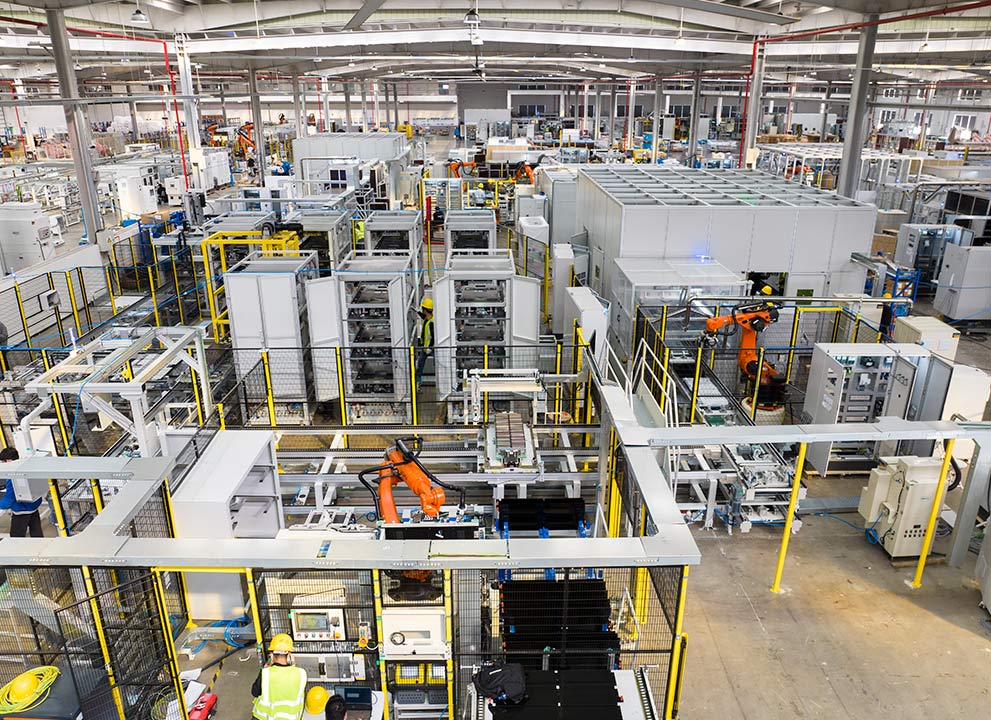
Carmakers face a single, clear problem: vehicle automation stalls at the battery line. Manual handling, inconsistent cell quality and slow testing create a production choke-point that delays entire assembly halls. The shift toward higher-capacity packs makes the issue worse, and factories need reliable battery manufacturing automation that fits strict safety and throughput requirements. I base this view on review of engineering whitepapers, supplier technical dossiers and industry site reports, including observations at large-scale facilities such as the Tesla Gigafactory in Nevada.
Root causes that must be solved
– Variation at cell level: inconsistent cell geometry and internal resistance force slow sorting and rework. – Unsafe manual tasks: cell handling risks thermal incidents and contamination. – Fragmented data: test results, process logs and material IDs live in separate systems, blocking traceability. – Cycle-time mismatches: downstream assembly runs faster than upstream cell processing, creating idle equipment. – Poor changeability: long changeovers when shifting chemistries or formats. These problems are technical and operational; treat them as engineering constraints, not abstract goals.
Technical options that actually address the problem
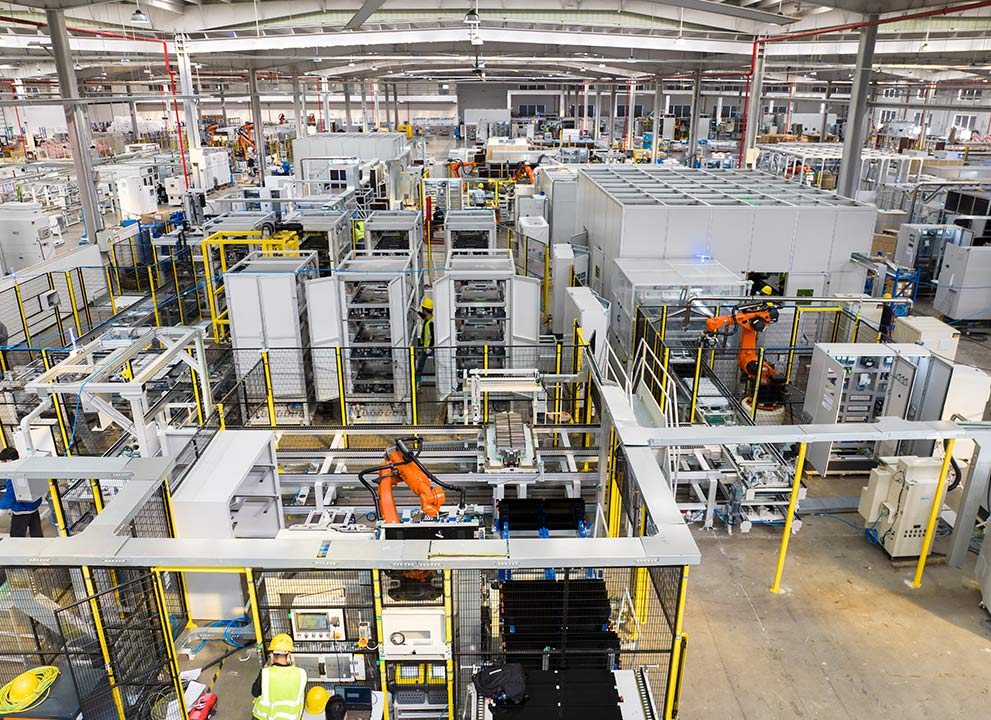
Choose solutions that directly close the gaps above. Consider combining these capabilities into a coherent line architecture and ensure they integrate with shop-floor systems: automation for battery manufacturing belongs to a systems-level plan rather than isolated machines.- Automated electrode handling and laser trimming to reduce manual contact and improve repeatability. – Precision stackers and robotic insertions for pouch and prismatic cells to cut stacking variance. – Inline electrical and thermal testing with fast-pass/fail sorting; integrate high-speed vision for physical defects. – Modular conveyors and AGVs for flexible material flow and cycle-time matching. – MES and PLC integration for single-source traceability from cell ID to pack serial number. – Environmental control modules (dry rooms, controlled humidity) with automated doors and pass-throughs to reduce contamination risk. Each technology must be selected for its interoperability, not only peak throughput.
Common implementation mistakes to avoid
Make these direct changes to avoid wasted budget and downtime.- Overautomation without pilot validation: automating all tasks at once hides integration issues. – Ignoring maintenance: robotics and sensors need planned uptime and spare-part pools. – Data silos: adding more sensors without a unified data schema increases confusion. – Safety as an afterthought: battery cells require cell-specific safety logic from day one. – Vendor lock-in: proprietary software that blocks future upgrades raises long-term costs. Address these now or pay later in lost availability and repeated retrofits.

How to evaluate vendors and measure success
Measure objectively. Ask for demo lines and acceptance tests that mirror your takt time.- Key metrics: yield per kWh, cycle time per pack, first-pass electrical yield, mean time to repair, and full traceability rate. – Proof points: site acceptance tests, interoperability reports, and a plan for cybersecurity on PLC/MES interfaces. – Trial approach: pilot one module (assembly, testing, or handling) and confirm metrics under production loads. – Training and documentation: require operator training packages and clear maintenance procedures as part of the contract. Practical proof beats glossy slides; push for data from live production or realistic pilot runs.
Short, pragmatic roadmap
Follow these phases with accountable owners and short review cycles.- Assessment: map existing bottlenecks, define target KPIs and safety constraints. – Pilot: automate one process segment, validate with your materials and cycle times. – Scale: replicate modular cells, keep software and data architecture consistent. – Continuous improvement: operate with measurable cycles and regular failure-mode reviews. This sequence keeps risk contained and gives fast feedback for scaling decisions.
Synthesis and practical perspective
Fix the battery line and the rest of the carline runs predictably. The solution is straightforward: target variability, enforce data continuity and pick modular automation that integrates with your MES and safety systems. Engineering judgment and verified pilot data matter more than headline throughput claims. For teams balancing technical choices and supplier commitments, practical integration expertise and operational discipline deliver consistent packs and reliable assembly — qualities you will find represented in partners such as FHS.
