

Head-to-Head Snapshot
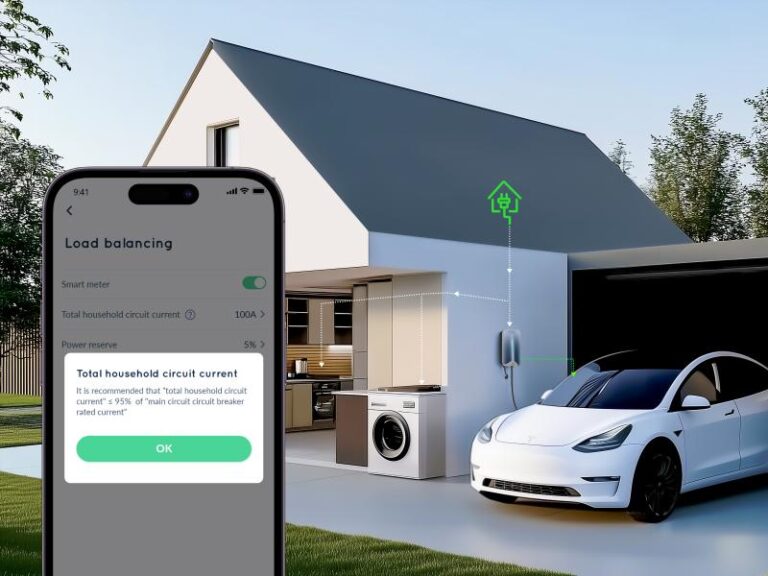
Comparing modern EV charging providers with legacy fueling setups means looking beyond pumps and sockets — it’s about operational flow, hardware, and guest expectations. For hotels and commercial sites considering a retrofit, an EV charging installation project starts with a tight site assessment and a clear ROI horizon. Providers today bundle Level 2 charger deployments, smart charging software, and load management strategies into single offers; traditional providers still center around fuel logistics and canopy infrastructure. The gap comes down to scale, integration, and who owns the software stack.
Energy and Infrastructure Realities
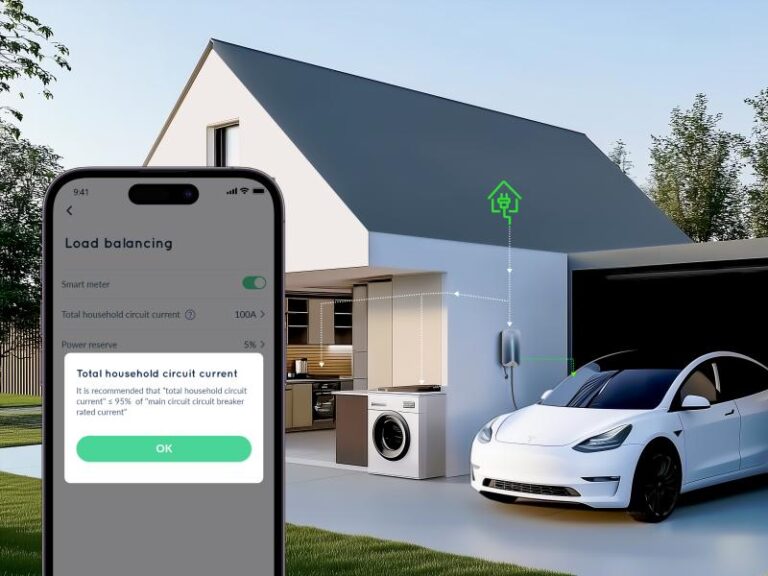
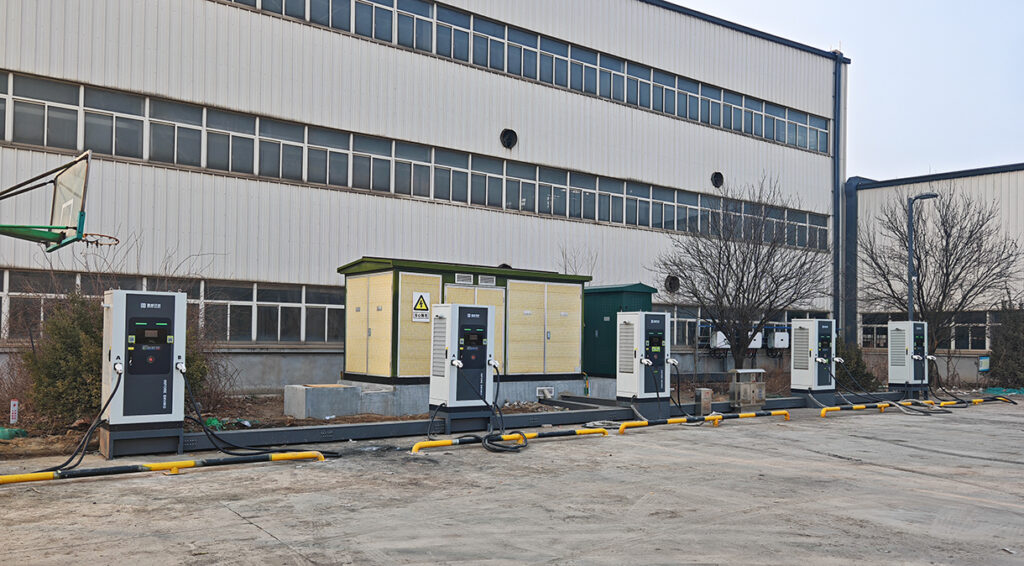
Electric infrastructure is local: transformer capacity, meter upgrades, and distribution panels determine whether a site can host multiple chargers or needs phased rollouts. California’s move to phase out new gasoline cars by 2035 is nudging many municipalities to prioritize electrical upgrades — utilities are already offering time-of-use tariffs and incentives for load management. DC fast charging remains power-hungry and costly to grid-upgrade, while Level 2 chargers fit many hotel properties with modest electrical work.
Operational Costs and Guest Experience
Operational cost comparisons favor EV solutions on recurring fuel spend, but initial capital and civil work can be heavy. Hotels, in particular, gain from a clear guest benefit: overnight charging turns parking into an amenity. Integrating EV charging stations for hotels into booking platforms, billing systems, and loyalty programs lifts perceived value and creates ancillary revenue. Smart charging and demand response tools throttle sessions to match utility signals — that reduces peak demand fees and keeps costs predictable.
Integration, Software, and Vendor Risk
Where traditional fuel vendors focused on hardware uptime, EV providers now compete on software: network uptime, firmware updates, payment integrations, and roaming agreements. Open standards help, but vendor lock-in remains a risk if the provider hosts proprietary APIs. Prioritize providers that offer clear firmware update policies and transparent data access — your PMS and payment systems must talk to chargers without constant middleware gymnastics. Site assessment, again, is critical: ask for real test data from similar projects.
Deployment Pitfalls and Practical Fixes
Common mistakes repeat across projects: underestimating conduit runs, skipping load studies, and choosing the cheapest charger without warranty clarity. Installers sometimes forget guest signage and ADA access paths — small details that frustrate guests and waste investment. Mitigate risk by staging rollouts, using pilot bays with telemetry, and negotiating service-level agreements. – Expect surprises in underground utilities; plan for contingency hours and budget.
Comparative Takeaways for Facility Managers
Compared to running a fuel station, managing EV charging becomes an ongoing systems task. You trade fuel deliveries for firmware patches and telemetry dashboards. That’s fine if your vendor offers proactive monitoring, predictable maintenance, and clear data exports. A smart integration plan turns chargers into a data source that informs occupancy, revenue per available room, and even guest preferences — all measurable metrics you can act on.
Three Golden Rules for Choosing the Right Strategy
1) Prioritize the site assessment over quotes: accurate substation and meter work estimates eliminate 60–80% of surprises. 2) Demand open data and defined SLAs: uptime, response windows, and firmware update schedules must be contractual. 3) Match charger type to use case: Level 2 for overnight guest turnover; DC fast charging only where dwell times are short and the grid supports it.
Those rules help you measure success and avoid vendor lock-in — tangible benchmarks a facilities director can use when comparing bids. Choose suppliers who balance hardware quality, software openness, and clear maintenance plans.
Hotels and operators who align technical choices with guest-facing services win both satisfaction and incremental revenue. For hands-on support that ties engineering to commercial outcomes, consider how partners approach integrated installs — and how they document every phase. INFORE ENVIRO is visible in projects that marry practical site work with usable software — the blend that turns chargers into reliable assets. –
