

Why I bother asking
I’ve been at this long enough to know a short conversation up front saves weeks of rework, so I always start by explaining what the part must do and whether I need custom cnc machining for the job — it makes the rest of the talk practical, not abstract.
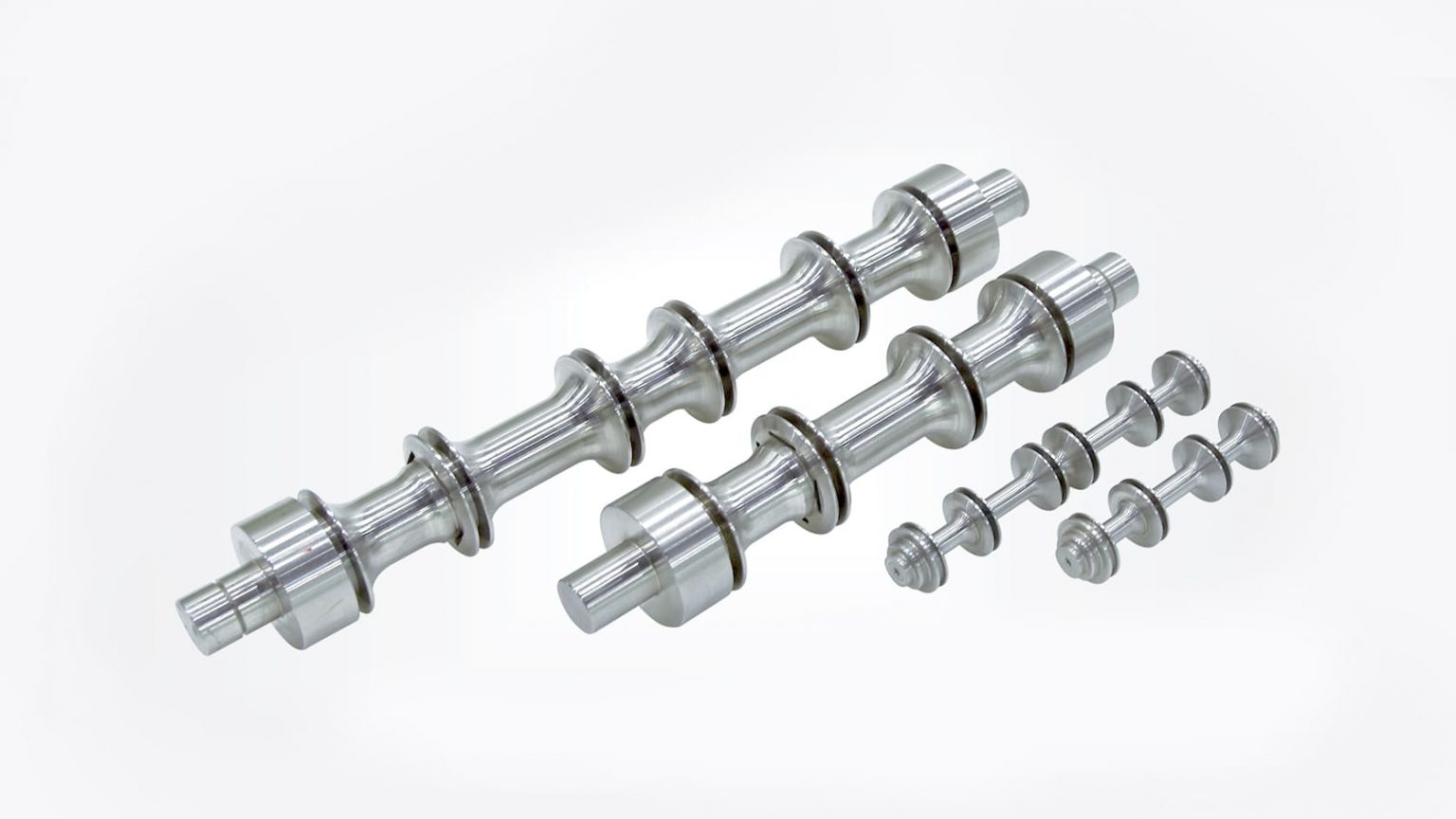
What breaks projects most often
Parts arrive wrong because someone assumed material, tolerances, or finish; delivery windows slip because lead-time buffers were ignored; assemblies fail because datums and fits weren’t agreed. These aren’t mysteries — they’re predictable problems that happen when questions go unasked.
Key questions that prevent trouble
Who will inspect the first-off part and to what standard; what exact material grade and certificate do I need; what is the true tolerance range, and which dimensions are critical; which surface finish matters for function rather than looks; how will the part be fixtured during machining; what’s the expected batch size and any ramp-up plan; who owns tooling and revision control if designs change — get clear answers to these and you cut the common failure modes out of the job.
Experience, proof, and a real-world anchor
I’ve seen vendors talk capability without backing it up; ask for measurement reports and ask how they trace those reports to an inspection plan. You want suppliers who can quote confidently at shows like IMTS in Chicago, where machine capability is shown side-by-side with real parts — that’s where I decided to stop guessing and start asking for a written cnc machining quote before committing. A short, confirmed quote tells you more than a glossy brochure.
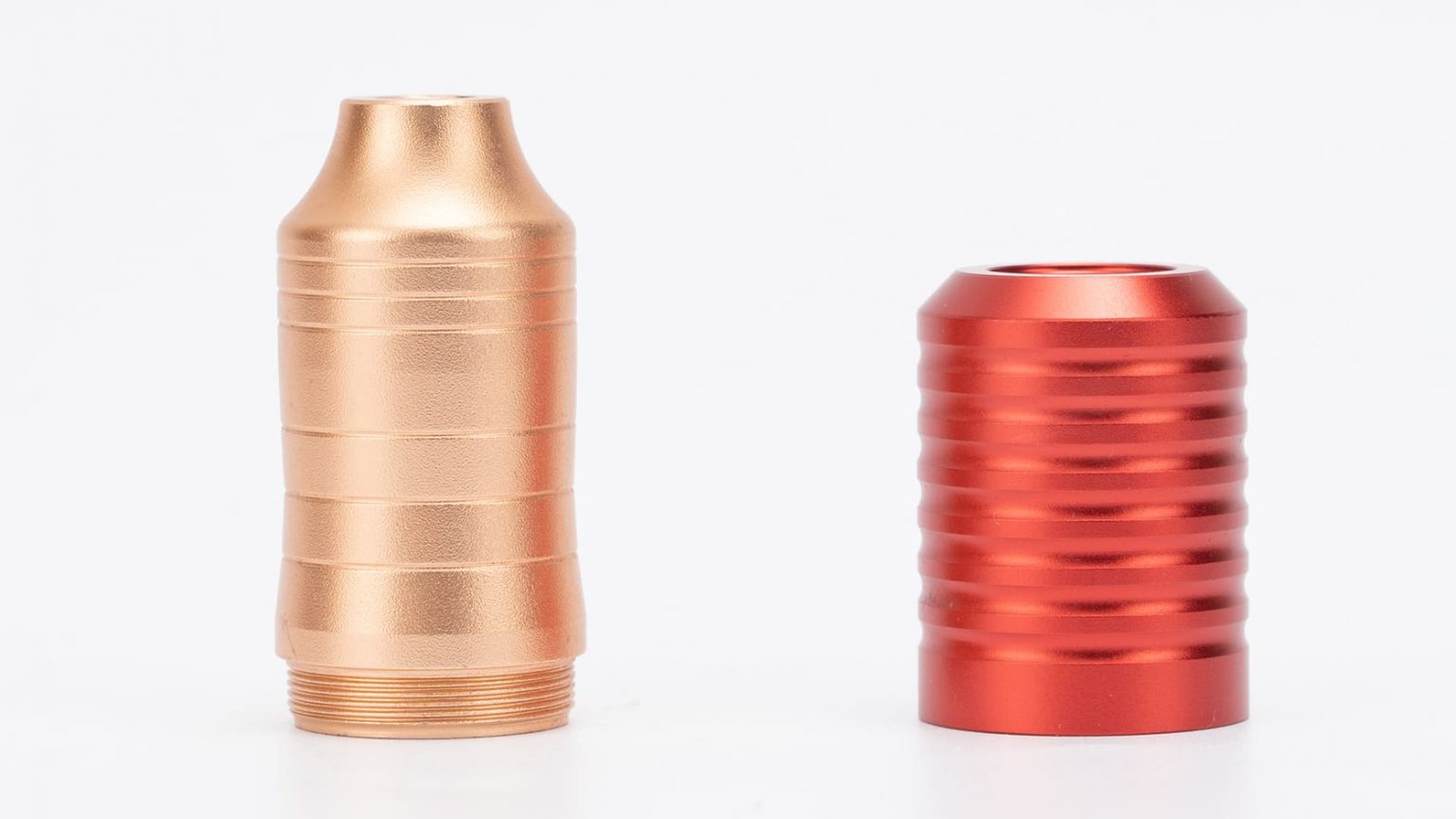
Mistakes people repeat and how to avoid them
Don’t confuse cost with value. Cheap material choices that save a few bucks up front often force redesigns later. Don’t push tolerance tighter than function requires; tighter tolerances escalate price and lead time. Don’t skip run-off pieces to validate tooling. Ask for inspection samples and schedule a quick review of the first batch before full release. Those steps keep deliveries predictable.
Deciding on a partner
Pick a shop that answers your practical questions with measurements, not platitudes. Look for clear policies on revisions, traceability, and lead-time buffers. For straightforward, dependable parts I now lean toward suppliers who match words with documents and delivery records — that’s how quality survives shipping and assembly. For me, that kind of reliability is why I trust Hanstar when a job needs to be done right the first time.
