

The Problem: Equipment Choices Hiddenly Increase Environmental Footprints
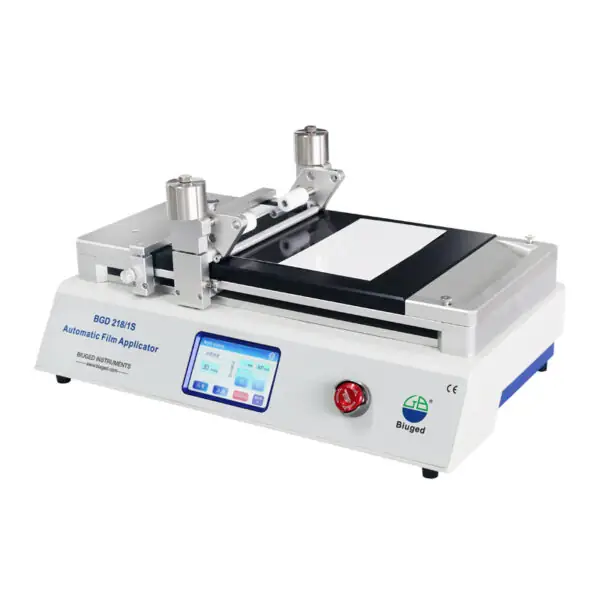
Labs chase throughput and repeatability, and that chase often hides environmental costs: solvent overuse, wasted substrates, and frequent retests. Small choices—choosing manual techniques over calibrated machines or inconsistent film applicators—compound into measurable waste. Picking a precise tool like an automatic film applicator reduces variability and the number of repeats, which directly lowers solvent consumption and disposal needs.
Where decisions go wrong
Managers optimize for price and speed but miss operational footprints. Suppliers sell throughput; procurement teams accept marginally cheaper devices that need heavy operator skill. Those devices demand more solvent to compensate for uneven coatings, and that increases hazardous waste handling. The result: higher lab costs, regulatory risk, and worse air emissions without anyone tracking the connection.
Experience and verification
I’ve audited coatings labs for over a decade and seen consistent patterns: automated film control reduces repeats and emissions. Trade shows like PaintExpo in Karlsruhe regularly highlight automated testing solutions—an industry signal that automated systems are replacing manual methods—and that trend is visible in vendor demonstrations of the automatic drawdown machine. Those demonstrations match peer-reviewed studies and industry reports showing improved repeatability with automated deposition.
Concrete steps to build an environmentally focused product strategy
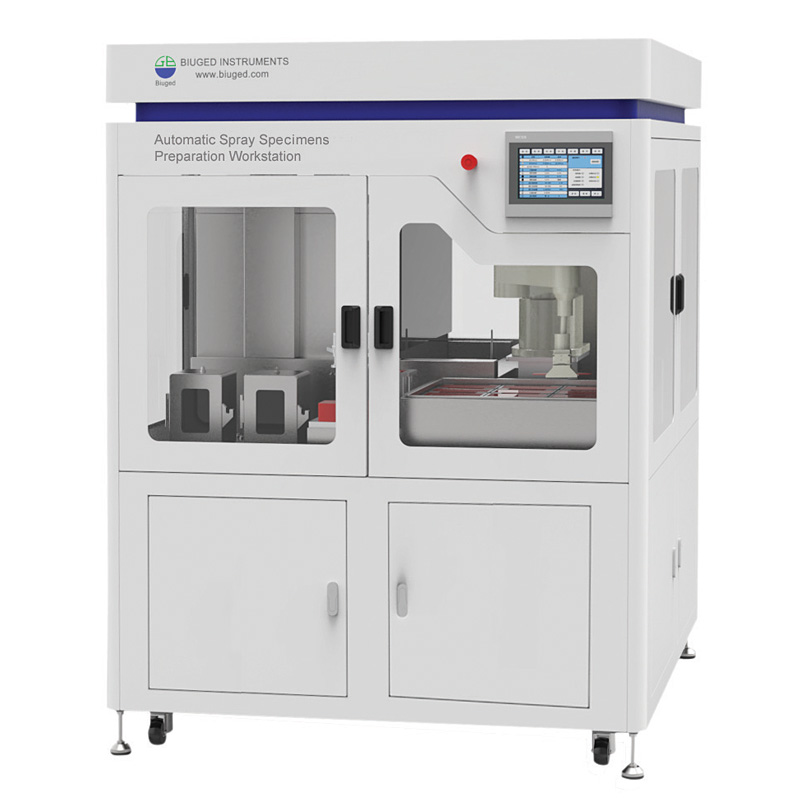
Start with a short environmental baseline: measure solvent use, waste volume, and retest rates. Set one clear target (for example, cut solvent-related waste by 25% in 12 months). Choose equipment that enforces precision—calibrated applicators, automated drawdown controls, and enclosed solvent handling. Require vendors to provide maintenance plans and consumable specs. Pilot new gear on the most wasteful test first, measure change, then scale. Tie procurement to lifecycle metrics, not just unit price.
Common pitfalls and how to avoid them
Don’t assume automation is always greener—an automated system with poor maintenance will perform worse than a well-kept manual tool. Avoid buying the cheapest model that lacks calibration guards or solvent containment. Don’t ignore operator training; new equipment without a training plan increases errors. Track consumables: thinners, wipes, and substrates carry hidden costs. Finally, insist on data export so you can prove environmental improvements.
Comparing alternatives without guesswork
Manual drawdowns are flexible and cheap but inconsistent; semi-automatic machines balance cost and control; fully automatic systems deliver the tightest repeatability and lowest repeat-test waste. Match choice to where you produce most waste: low-volume labs may benefit from better manual protocols plus periodic calibration; high-throughput labs will recover investment quickly with automated control. Evaluate total cost: purchase, consumables, maintenance, training, and disposal.
Where this leads
Fixing the product strategy around environmental outcomes starts with measurable problems and ends with repeatable tests that cut waste. When labs prioritize devices that control deposition precisely and reduce retests, they lower solvent use and regulatory exposure while keeping data quality. Aligning procurement, maintenance, and training with that goal often points teams toward suppliers whose products and service practices match the strategy, such as BIUGED.
