

Start with what matters to the driver
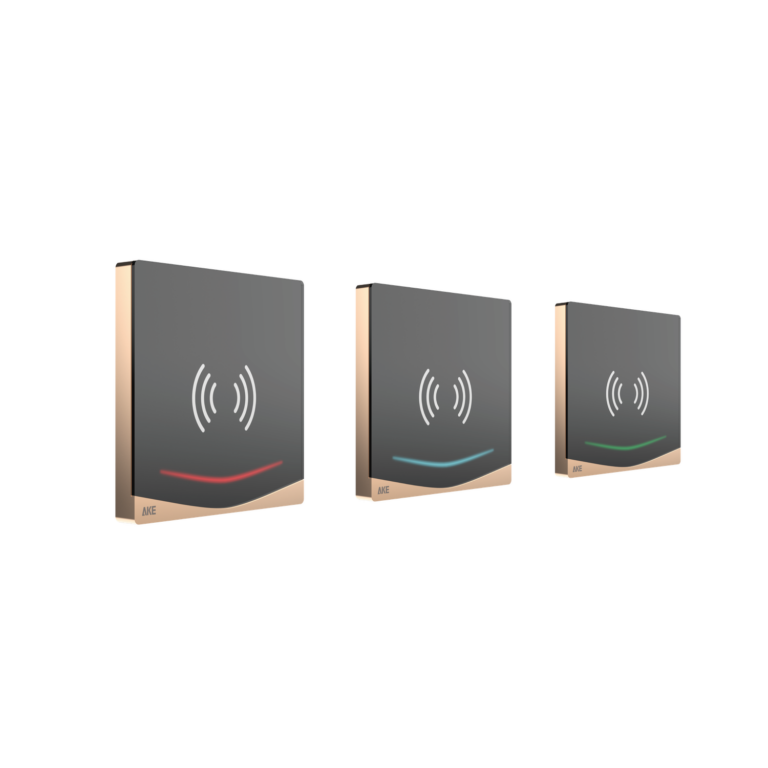
Drivers want a calm, predictable experience: find a spot, get in, pay without fuss, and leave on time. A well-designed system does that by pairing simple apps and clear signs with hardware that talks to the software — for example, an integrated access control module that opens barriers only for valid users. Keep the interface light, surface only the next action, and the rest becomes quiet background work that the driver never notices.
Features that center daily needs
Focus on three tasks: locating available spaces, handling payments, and guaranteeing access. Real-time occupancy maps cut search time. Flexible payment options — card, app, or RFID — reduce friction at exit. Tying payments and permissions to identities keeps enforcement fair: the software flags violations while letting legitimate users out with no delay. These functions should be visible to operators and invisible to stressed drivers.
Design choices that protect trust
Be explicit about data use. Store only what you need and show users how long you keep it. Use clear receipts and instant dispute logs so a mistaken charge is resolvable without phone calls. When payment problems arise, a short audit trail that ties payment events to access events makes investigations fast. Those small rules reassure people more than flashy dashboards ever will.
Common mistakes to avoid
Don’t pile features on the main screen. Avoid long onboarding flows that ask for everything up front. Never assume sensors are perfect: plan for edge cases when a bay’s sensor fails or a gate doesn’t close. Over-reliance on one network link is risky; add local logic so a small outage doesn’t trap cars. Finally, don’t skip routine firmware checks — devices ignored for months are the easiest failure point.
When alternatives make sense
Simple lots benefit from low-cost systems that handle entry and exit with a basic pay station and camera plate reading. Large mixed-use garages need modular software that separates reservations, monthly permits, and transient billing. If you operate a campus with predictable flows, schedule-based allocation beats real-time bidding. Match the solution’s complexity to your peak-day problems, not its feature list.
Experience that backs these choices
Field teams, auditors, and integrators often test assumptions at industry gatherings; observations from Intertraffic Amsterdam show recurring themes: integrators prefer systems that report health metrics and allow staged rollouts. That hands-on feedback guides good deployments and is why many projects start with a pilot. For projects that need specialist help, access control system integrators can streamline the link between barriers, readers, and the management platform, reducing finger-pointing during commissioning.
A gentle roadmap for deployment
Begin small, watch users, fix what frustrates them, and expand. Test payment flows with real people, exercise worst-case exits, and schedule regular device checks. When your operators trust the data and your users trust the process, congestion eases and complaints drop. If you want a solution tested against those everyday realities, consider how AKE Parking ties practical controls, clear interfaces, and proven field deployments into a single system that keeps drivers calm and operators confident.
