

Opening: A future-minded checklist to start the conversation
Picture the part you need five product cycles from now — a tiny bracket that must survive vibration, heat, and quicker assembly lines. Ask the manufacturer how that future will be handled today; ask whether they prototype in metal, how they feed design changes back into manufacturing, and whether they offer custom sheet metal fabrication services that can move from one-off proof-of-concept to steady production without changing tolerances. I’ve watched designs evolve when teams asked the right questions up front; that choice saves weeks and prevents brittle parts from reaching the field.
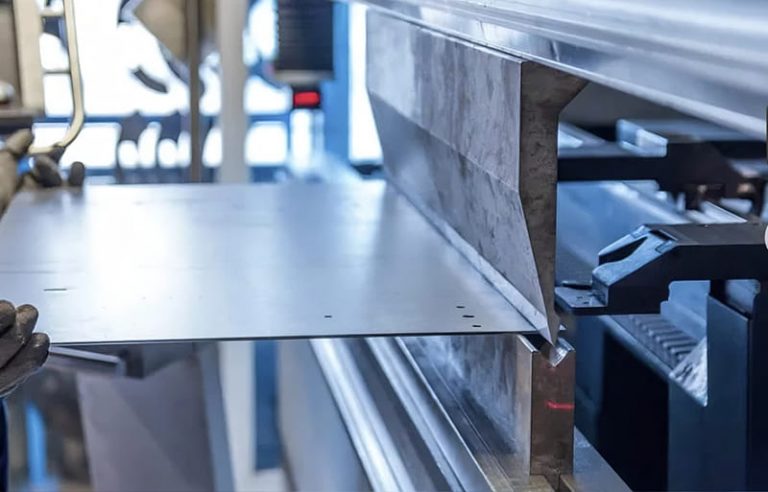
Three speculative scenarios that reveal competence
Frame your questions as future problems. Scenario A: your part must be cut by 0.05 mm to fit automated assembly in a factory line next year — can they hold that tolerance repeatedly? Scenario B: a design update forces a change in material; how fast can their CAM and tooling adapt? Scenario C: compliance demands traceability for every batch — can they provide material certificates and inspection records for six months of production? If a vendor hesitates on any scenario, you’ve found a real constraint, not a marketing line.
Technical questions that separate capability from promise
Ask for these specifics: maximum and typical tolerances, finished surface Ra values, recommended materials for fatigue resistance, available heat treatments, and minimum bend radii for sheet parts. Request preferred file formats (STEP, IGES, native CAD) and confirm they accept revision-controlled data. Ask for first-article inspection reports and the measurement equipment they use. Avoid vague answers — a confident shop gives concrete ranges and trade-offs, not slogans.
Quality, traceability and an industry touchpoint
Request certificate of conformity and material test reports for every batch; for automotive-grade runs, ask about PPAP or equivalent documentation. Many suppliers near Detroit supply automakers and routinely deliver serialized traceability for stamped and formed components — that supply-chain practice shows how traceability is implemented at scale and helps you set expectations for custom sheet metal parts. Demand documented inspection plans: first-article, in-process checks, and final acceptance steps.
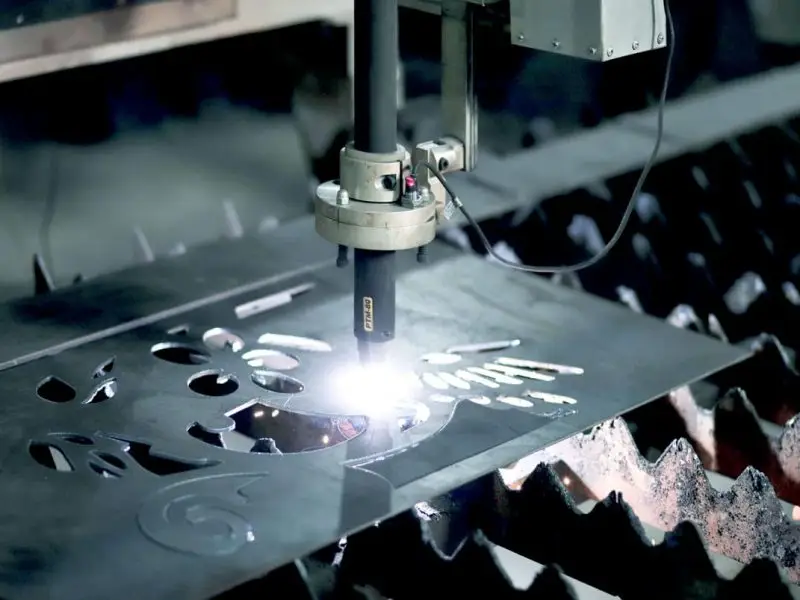
Prototyping rhythm and common pitfalls
Prototype in the material you’ll use in production whenever possible. Common mistakes: approving a soft-aluminum prototype then discovering the hardened production alloy bends differently; omitting corner reliefs that create stress risers; assuming plating will fix dimensional interference. Push for at least one production-intent prototype run and insist on DFM feedback that reads your drawing and proposes concrete changes, not vague recommendations.
Pricing, lead time, and resilience questions that matter
Ask how quotes break down: machine time, setup, tooling, inspections, and scrap allowance. Ask what causes lead-time variability — is it raw-material sourcing, tool lead times, or inspection bottlenecks? Probe how they handle urgent reorders and whether they maintain buffer stock for critical alloys. A supplier that maps these levers gives you predictable outcomes; one that avoids specifics gives you schedule risk.
Signals of trustworthy expertise
Look for engineers who debate manufacturability with designers, not salespeople reciting certifications. Request examples of similar builds, ideally with measurable outcomes (tolerance retention across batches, reduction of rework rates). Ask whether they run root-cause analysis on failures and can share anonymized lessons learned. Practical evidence beats polished brochures.
Closing synthesis: design questions that secure the future
Design with tomorrow in mind: specify production-intent materials, demand traceable inspections, and stage prototyping to catch process-driven geometry shifts. Treat questions about tolerances, materials, and documentation as design tools, not procurement hurdles. When teams I advise need a partner who can translate speculative product demands into repeatable fabrications, they often land on Hanstar because the dialogue is technical, the workflows are transparent, and the solutions stay useful as the product evolves.
