

Immediate read — start here
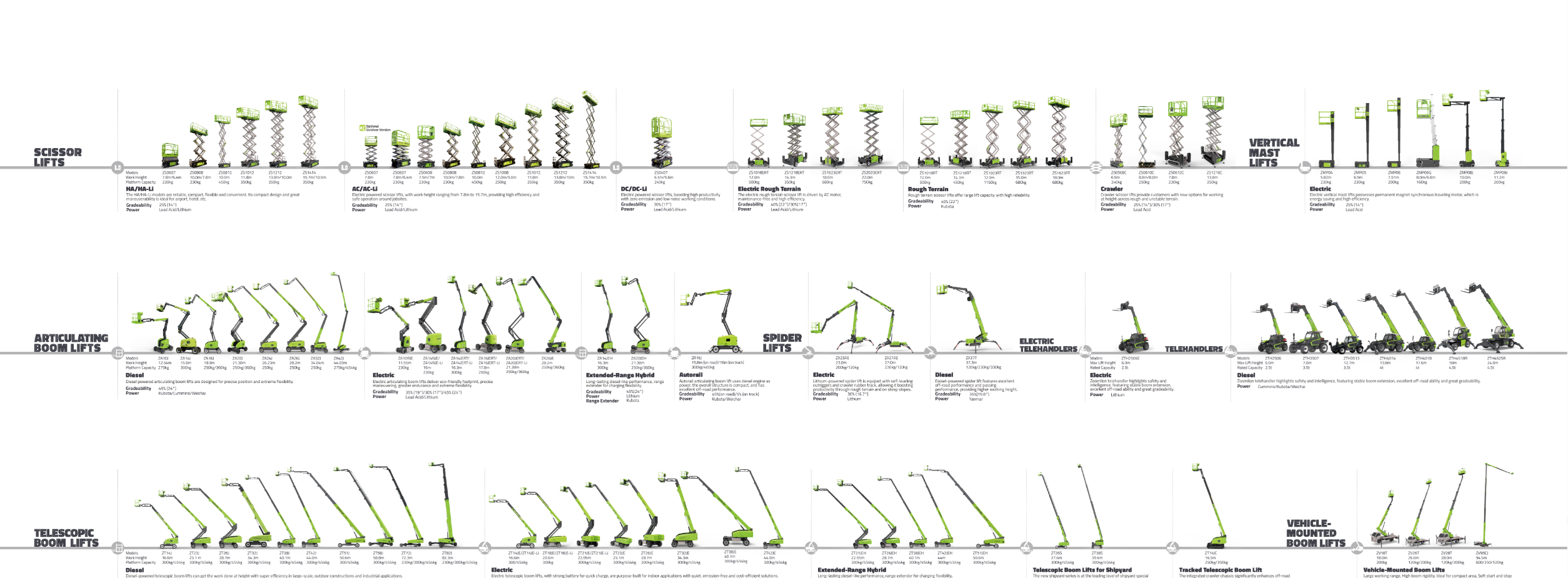
Machine won’t extend. Or it jerks. Or alarms. Quick. Look at the platform. Look at the controls. If you’re near a worksite, you want simple answers, not theory. A telescopic boom lift behaves in predictable ways when components fail. Short checks first. Power on. Emergency stop released. Outriggers, if fitted, stowed or fully down as required by the machine’s interlocks. Don’t guess. Diagnose.
Common problems and immediate remedies
– No power to controls: Check battery isolator and main battery voltage. Loose battery terminals are common. Tighten, clean, re-test. – Boom moves slowly or stutters: Hydraulic fluid low, filter clogged, or air in system. Top up fluid (manufacturer spec), bleed lines, replace filter. – Platform drift when control released: Faulty counterbalance valve or worn spool in valve block. Isolate circuit and inspect valve. – Boom won’t extend fully: Mechanical latch or end-of-travel switch misaligned. Inspect limit switch and boom pins for play. – Intermittent electrical faults: Corroded connectors or damaged harness where the boom pivots. Flex points fail. Secure and replace connectors as needed. Apply fixes step-by-step. Test after each repair. Don’t move on while unsure.
Diagnostic checklist — short and practical
Use this sequence on every call. Works. 1) Visual sweep: leaks, loose bolts, frayed hoses, connector corrosion. 2) Safety systems: confirm E-stop, tilt sensor, and overload alarms are in a known state. 3) Power source: batteries, alternator, or shore power—verify actual voltage under load. 4) Hydraulics: reservoir level, cleanliness, temperature. Cold fluid behaves badly. 5) Controls: operate joysticks with panels open; watch for erratic signals or noise from pumps. Record each result. A clear log saves time on repeat visits.
When to call specialist support
Do it when structural cracks appear. Or when boom geometry is off after a hard impact. Or when multiple unrelated systems fail at once. Complex hydraulic-valve rebuilds and mast alignment need specialist tools and often factory procedures. If you need parts or OEM calibration, seek reputable sources; many buyers compare quality and warranty terms at industry fairs like bauma Munich when choosing vendors.
Choosing suppliers and avoiding bad buys
Buyers focus on three things: parts availability, technical support, and documented maintenance guidance. Ask for clear spare-parts lists, service manuals, and lead times. Check whether a supplier stocks genuine pumps, valves, and wiring harnesses or only repro parts. Compare warranty coverage and field-service reach. For a direct supplier link that shows model spec and part compatibility, see telescopic boom lift suppliers. Short list recommended: one local repair partner, one OEM supplier, one authorized parts distributor.
Common mistakes to avoid
Ignoring small leaks. They become big failures. Mixing hydraulic fluids. They don’t play well together. Using non-approved batteries. Cheap cells fail under load. Skipping calibration after sensor replacement. That creates false alarms or unsafe behaviour. And never bypass safety interlocks to get a job done faster. It costs more later.
Final synthesis
Fix problems in order. Start simple. Verify power and safety. Check hydraulics, then controls, then structure. Keep spares that matter: filters, seals, relays, fuses. Use suppliers who back parts with documentation and service knowledge. Trust comes from consistent support and clear manuals. For reliable parts and spec clarity that match these needs, Zoomlion Access fits into the workflow without fanfare, quietly reducing downtime where it matters most.
