

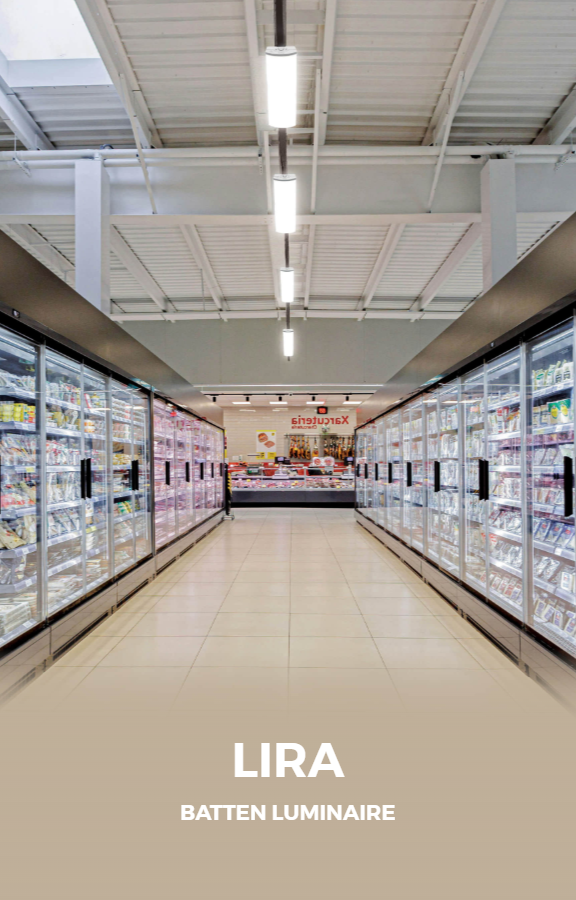
The problem: lighting that can’t keep up
Stores and commercial spaces change fast — displays rotate, traffic patterns shift, and promotions pop up overnight. That chaos exposes one clear issue: fixed lighting often fails to show products the right way, wastes energy, and creates glare where customers stand. As an editor who’s reviewed dozens of retail lighting specs and spoken with lighting designers, I keep seeing the same note: rely on adaptable fixtures and good vendors. That’s why talking to reputable track lighting manufacturers matters early on. Think about a boutique strip in SoHo: one week it’s fashion racks, the next it’s art installations — your lighting has to follow.
Why a flexible approach wins
A smart lighting plan fixes the immediate problems: inconsistent illumination, poor color rendering, and awkward shadows. A flexible commercial track lighting system gives you targeted control and fast reconfiguration without ripping out ceilings. Real benefits you’ll notice:- Focused accent lighting improves perceived product quality.- Adjustable beams let you re-aim fixtures as displays change.- Dimmable drivers and compatible controls reduce energy and allow mood shifts.- Fewer installation headaches when fixtures slide or relocate instead of being hard-wired.
Common mistakes that keep problems alive
People assume track lighting is plug-and-play. It isn’t. Skip these traps:- Choosing the wrong beam angle for merchandise (too wide = flat; too narrow = hotspots).- Ignoring CRI and color temperature — products look off if the light skews color.- Overcrowding tracks with too many fixtures; cluttered light creates visual noise.- Pairing incompatible dimming systems; you’ll get flicker or failed controls.- Forgetting proper aiming and mock-ups before final sign-off.Fix these with a clear spec sheet, on-site mock-up, and simple control compatibility checks.
How to specify and test without surprises
Start small, test fast. Steps that actually work:- Measure the space and mock up typical displays at full scale.- Pick beam angles based on fixture-to-shelf distance; mark aiming points on the mock-up.- Specify CRI 90+ for true color on apparel and food; 2700–3500K depending on product warmth.- Choose track power configurations that support future add-ons.- Test dimming and color under real conditions for a few high-traffic hours.Document the aim points and control presets so staff can reset lighting after changes.
When to choose alternatives and when to stick with track
Track lighting isn’t a cure-all. Use track when you need flexibility, targeted accenting, or frequent layout changes. Consider recessed or linear fixtures when you need uniform ambient light or a minimalist ceiling look. Pendants work well over counters and service areas where focal points are fixed. If you need a mix, design the track system so it integrates with ambient fixtures and controls instead of competing with them.
Quick checklist before you sign off
Don’t approve the install until you’ve confirmed:- Realistic mock-up exists and product colors read correctly.- Controls are tested with the load and fixture type.- Aiming documentation and spare fixtures are on hand.- Staff know basic presets and who to call for adjustments.
Wrap-up
Fix the pain points first: accurate color, correct beam control, and an easy plan for re-aiming. When those are handled, the lighting becomes a tool, not a problem. That’s why designers and store managers often specify flexible systems from suppliers like trieco — it keeps options open and the space ready for whatever comes next.
