

Introduction
Here’s the truth: the right tube can make or break your gloss line. A lip gloss tube manufacturer can influence color payoff, shelf life, and even customer trust, all before your product hits the shelf. In real projects, lead times can swing by up to threefold, while changeovers push scrap and rework higher than expected—especially during seasonal shades. Now picture a small team, racing to launch in Q4, only to find applicators leaking at transit and labels scuffing in retail lighting. It happens, madalas, when specs look neat on paper but clash in production reality. So the question becomes simple: how do you choose a partner who ships on time, holds spec, and scales with you (hindi hassle)? And how do you do it without burning cash in avoidable tests and returns? Sige, we’ll walk through it with clear markers so you can decide faster, and with less guesswork. Let’s move from wishful thinking to decisions grounded in how factories actually run today.
The Hidden Gaps in Traditional Sourcing
Why do specs still fail?
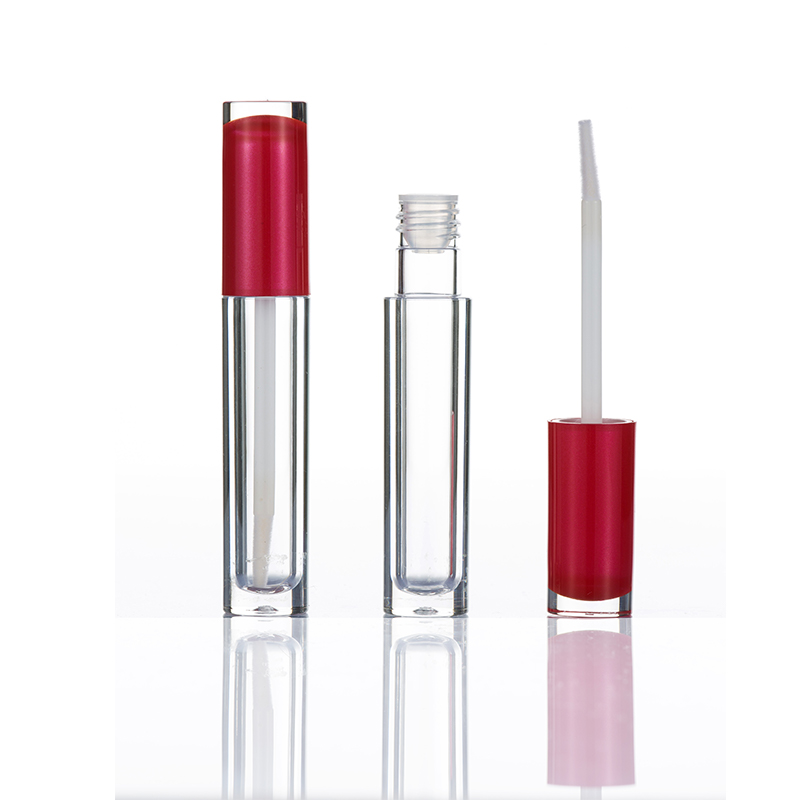
If you’ve ever sent a clean spec pack and still got leaks or smudging, you’re not alone. A better path starts with choosing a partner whose process mirrors your fill and route-to-market. A custom lip gloss tubes manufacturer should map your formula viscosity, batch size, and shipping profile to actual tooling and QA stages. Look, it’s simpler than you think, but only if you verify the right controls. Traditional RFQs fixate on price and MOQ. Yet the real traps sit in silent tolerances: wall thickness drift from injection molding, weak cap torque due to thread mismatch, or poor seal when wipers meet soft gels. Add artwork steps like silk-screen printing and hot stamping, and you get more points of failure. One missed alignment, and the glossy look turns dull in-store—funny how that works, right?
Hidden pain points often show up late. A great-looking tube blocks oxygen until it doesn’t; without an EVOH barrier or proper gasket design, volatile oils can bleed or fade. Your “universal” doe-foot applicator might shear thicker fills, while PCR resin blends change stiffness and creep over time. These are not edge cases; they are common in everyday runs. So, push for real tests: torque testing at cold and heat, accelerated aging for label inks, and transit drop checks after ultrasonic sealing. When a supplier shares raw data and cap stack-up drawings, you lower risk before POs fly. Kasi the goal is simple: make the first commercial run look like the golden sample, not a guess.
What’s Next: Tech and Tactics That Change the Game
Real-world Impact
Let’s zoom out and look forward. The most reliable setups now use small, smart upgrades rather than flashy overhauls. Think cavity-level monitoring on molds, so drift gets flagged before defects pile up. Or digital torque cells on the line that log every cap twist, not just random checks. Some lip gloss tube manufacturers pair vision systems with wiper insertion to catch micro-warp and fiber fray. The principle is simple: measure early, correct fast, and store the data so you can prove conformance. Add spec-driven change control—if resin shifts to PCR content, you recheck compression set and flex at once. This is not hype. It’s how teams cut returns without slowing output. And the best part? These steps are modular. You can add them without rebuilding your line—ayus, less downtime, more control.

Comparing paths helps. Old-school sourcing leans on a perfect sample and a promise. The forward path ties each risk to a control: barrier choice to fragrance load, applicator geometry to shear rate, artwork cure to line speed, and carton fit to drop tests. That shift brings clearer costs and fewer surprises. To wrap it up with something useful, here are three metrics to guide your next choice. First, validation depth: ask for seal integrity data across temperature cycles and actual transit tests, not just lab notes. Second, compatibility fit: ensure applicator, wiper, and tube resin match formula viscosity and pigment load, verified by on-line pull and leak tests. Third, sustainability traceability: request PCR resin spec sheets, batch coding, and regrind limits with documented performance. Keep these three in view, and your next launch will run smoother, scale faster, and keep its shine—exactly what your customers expect. For teams who want specs to match reality, partners like NAVI Packaging make that check-and-proof loop easier to live with.
