

Spot the real problems fast
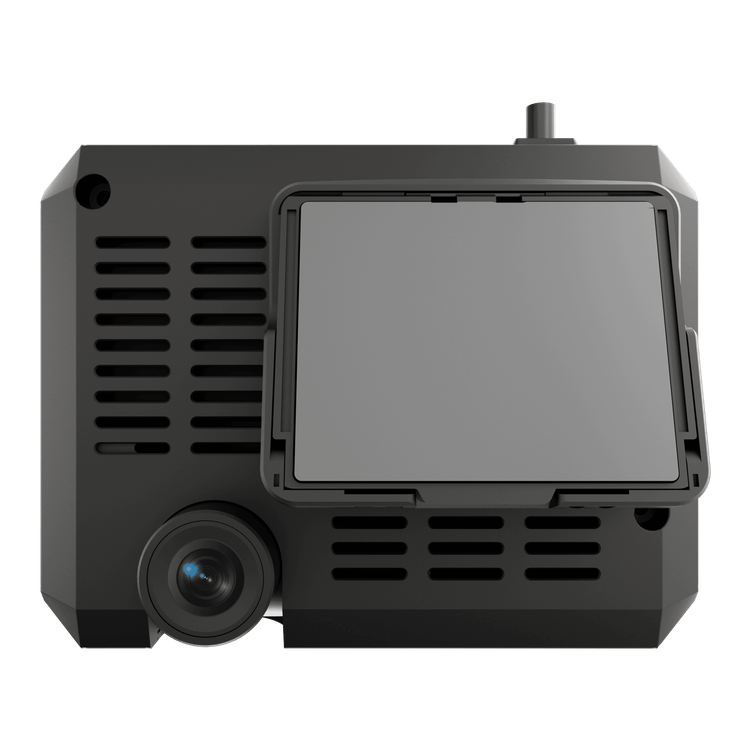
School transport teams worry about three things first: student safety, buses turning up on time, and keeping costs sensible. If you’re staring down inconsistent arrival times, unclear driver behaviour, or annoyed parents, start with a clear signal: fit every vehicle with GPS fleet trackers so you know exactly where the fleet spends its time. That single move turns mystery into measurable problems you can fix.
Common root causes I see on the road
From years advising operators, the repeat offenders are simple: poor route visibility; lack of live location for supervisors; no automated alerts for deviations or delays; and patchy data for maintenance planning. I’ve worked with school transport teams in Sydney who thought late arrivals were “just traffic” until GPS data showed repeat route bottlenecks and unnecessary deadhead miles.
Must-have features for school fleets
Pick a system that does these basics well: accurate live location; geofencing with time windows; tamper-proof trip logs; simple driver ID; and straightforward reporting for compliance. Also choose a robust fleet management gps tracker that handles long school days, quick cold starts, and reliable cellular handover—don’t get seduced by features you won’t use.
Checklist for choosing and rolling out a system
Go step-by-step: 1) Map your goals — safety, on-time performance, or maintenance. 2) Shortlist vendors by demoing the actual interface drivers and dispatchers will use. 3) Pilot on 10–20% of routes for a term to gather data. 4) Train drivers and admin staff together; make the tool part of the routine. 5) Use pilot results to tweak routes, schedules and alerts. Keep decisions data-led and practical.
Typical mistakes to avoid
Don’t install hardware and leave it to fend for itself. Common mistakes: buying based on lowest price; picking systems with poor mobile apps; failing to set clear alert thresholds; and ignoring maintenance rules suggested by the system. Also avoid over-customising at rollout — simpler configurations produce cleaner data and quicker wins.
Where the right choice pays off
The right system turns guesswork into simple daily checks: predictable pick-up windows, clear driver accountability, and timely maintenance prompts — so fewer breakdowns and fewer unhappy parents. After practical trials, many fleets find faster responses to incidents and routine improvements that cover the upfront cost. If you want the combination of reliable tracking hardware and sensible software that helps teams follow through, consider solutions from BSJ which match those practical needs without fuss.
