

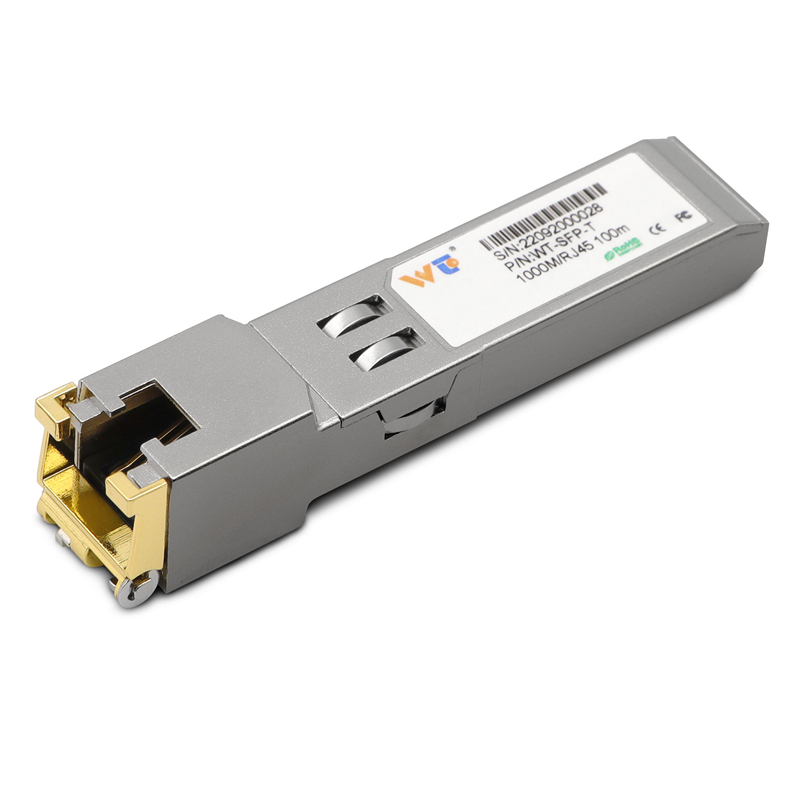
The problem that wouldn’t speak — long lead times exposed
Assembly lines used to whisper. Then they shouted. For years optical module factories wrestled with weeks, then months, of fixture queues, burn-in racks and manual test iterations. The global 2020–2022 semiconductor shortage revealed those hidden waits in data centers from Silicon Valley to Singapore. That pressure forced change — and it began with protocols and physics. A shift to QSFP28 100G and PAM4 signaling did more than raise bandwidth; it exposed a path to fewer handling steps. Vendors and buyers started looking at an optical transceiver manufacturer not as a supplier but as a process partner. The problem-driven logic was simple: reduce steps, reduce time. The devil was in the test fixtures.
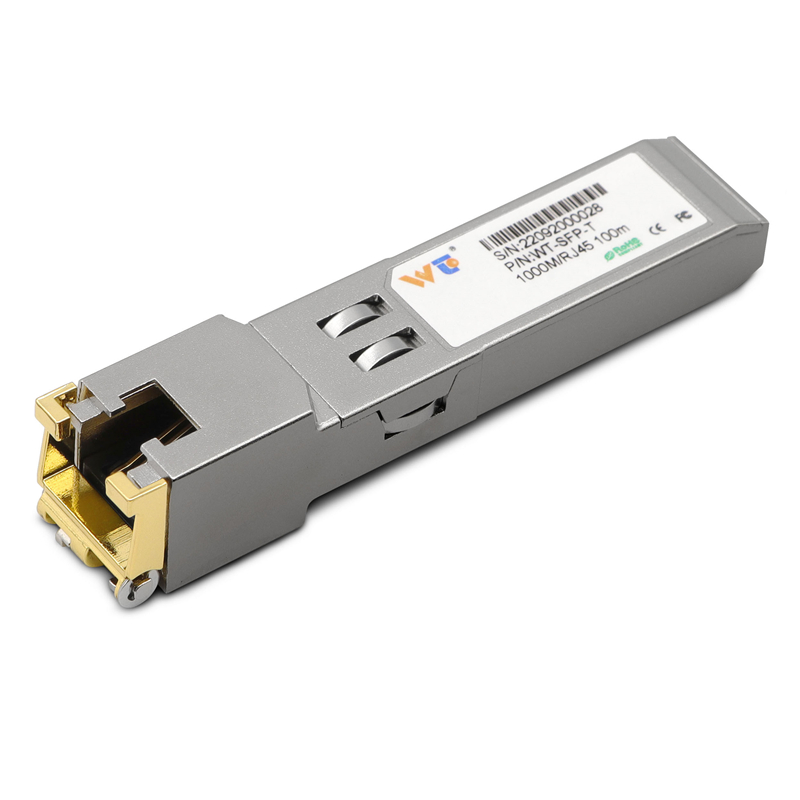
Where PAM4 and QSFP28 shave hours from the line
PAM4 doubles bits per symbol compared with NRZ, letting a QSFP28 package carry 100G without more lanes. That cut the number of separate optical module assemblies and related alignment operations. Fewer lanes mean fewer solder reflows, fewer fiber pigtails, and shorter calibration cycles. Test time shrinks too — BER sweeps converge faster when the interface is standardized and thermal profiles are consolidated. Real-world experience from 2021 pilot lines showed lead-time reductions concentrated in calibration and final test stages, not raw fabrication. The change is technical, yet surgical: modulate once, measure once, ship sooner.
What factories actually changed — concrete steps
Quiet changes at the bench made the difference. Lines introduced automated optical alignment stations, consolidated burn-in ovens, and unified firmware flashing for QSFP28 inventory. They replaced multiple NRZ fixtures with fewer PAM4-capable test heads that ran standardized BER and eye diagram checks. Calibration scripts were version-controlled under MSA-compatible profiles. The result: fewer handoffs and a higher first-pass yield. Mistakes before these shifts often stemmed from inconsistent test parameters and too many manual joins — the usual suspects — but automation removed most of them.
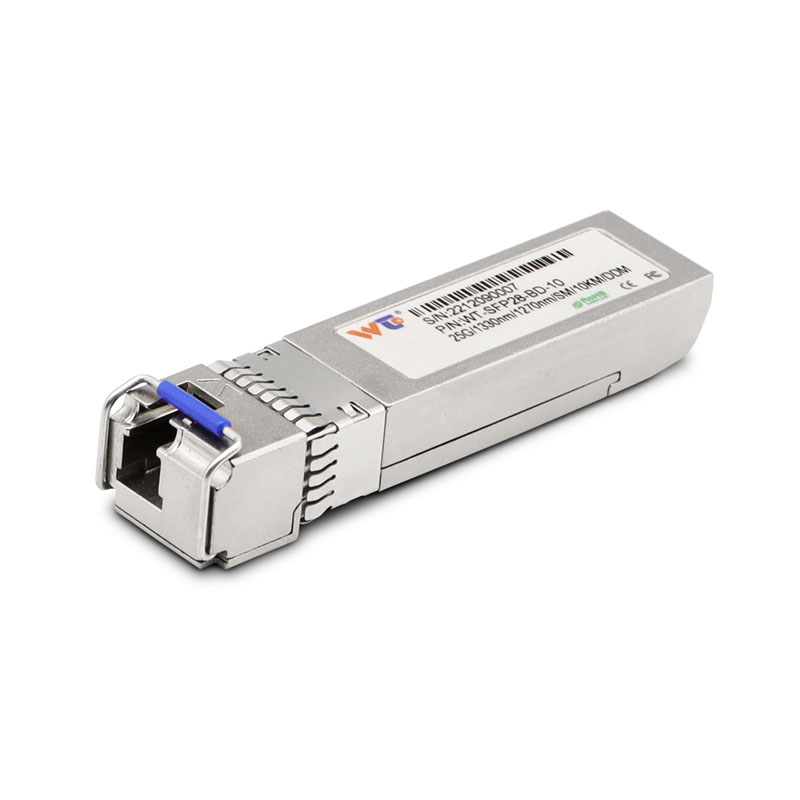
Common mistakes and how to avoid them
Manufacturers and buyers still trip on familiar errors. Avoid these.
-
Over-testing non-critical parameters: burn-in time is helpful, but blanket extensions offer diminishing returns.
-
Mismatched test suites: NRZ-based fixtures on PAM4 modules waste operator time and skew BER numbers.
-
Ignoring protocol stacks: QSFP28 firmware mismatches cause returns that look like hardware faults.
Address these with targeted test plans, aligned fixtures, and early firmware verification — then track yield by lot number. A small pivot here saves days later.
Choosing vendors and the role of modular design
When spec sheets don’t tell the whole story, factories show it in process design. Pick suppliers who provide mechanical and electrical compliance data, and ask for verification runs. Vendors that publish thermal cycling curves and BER test windows — not just peak numbers — speed qualification. For buyers seeking a reliable option, a high speed transceiver with documented MSA alignment and controlled firmware release cycles reduces surprises. The aim is predictable integration, not exotic peak performance.
Operational teardown — where {main_keyword} and {variation_keyword} fit
A targeted operational production teardown reveals how {main_keyword} links with {variation_keyword} during final assembly. Start at mechanical alignment, move through connector solder reflow, then finalize with protocol-level BER and ER validation. Each checkpoint holds a measurable lead-time cost. Trim queues at the test bench first; that’s the highest ROI.
Evidence and expertise — a practical anchor
Myriad pilot runs during the 2021 supply crunch served as the anchor for these conclusions. Teams that standardized on QSFP28/PAM4 stacks saw faster qualification cycles across multiple sites. That field experience, paired with supplier test logs, formed the basis of the recommendations here — experiential evidence rather than theory. Industry terms such as BER, eye diagram, and optical module maintenance appear because they matter at the bench, not to impress.
Advisory — three golden rules for faster lead times
Measure these and act:
-
Test consolidation index: replace redundant fixtures so one PAM4-capable head covers multiple SKUs.
-
Firmware coupling metric: reduce firmware variance across lots to under a single weekly build window.
-
Queue depth threshold: limit burn-in and calibration queue length to a fixed percentage of line capacity.
Implement those metrics and watch throughput climb. The practical value becomes clear when returns fall and shipments arrive earlier. WINTOP fits naturally into this picture as a partner that supplies tested, MSA-compliant modules ready for integrated lines. Final thought — process matters as much as silicon. —
