

Speculative primer with a smirk
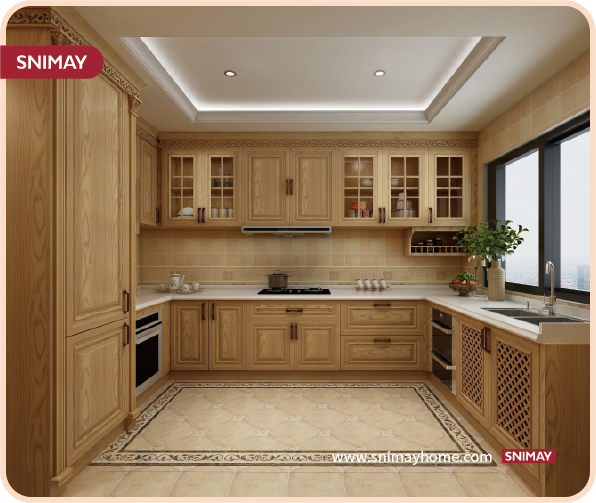
Expectations for 2026 are being written like product roadmaps — optimistic, under-delivered, then rebranded as “disruption.” Still, the direction is clear: Chinese cabinet manufacturers will push customization, automation, and greener materials into every kitchen and dining room. This isn’t theoretical; after the 2020 pandemic taught factories and logistics some very costly lessons, suppliers doubled down on resilient lines and smarter production. For anyone considering real, tactile choices for their home — think actual wood, measured joints, and lasting hardware — start by reviewing samples and options for solid wood kitchen cabinets as a baseline for comparison.
Technology in the shop: CNC, digital patterns, and the illusion of infinite choice
Manufacturers will keep layering tech on top of tradition. CNC machining will let a factory churn designs once possible only by skilled joinery, while digital patterning shortens lead times and widens style libraries. That sounds wonderful until you open the box and find a perfectly cut panel that still feels like a catalog prop. Expect variable veneer quality, inconsistent grain matching, and finish differences — the little betrayals of scale. Smart buyers will insist on close-up finish samples, not glossy renderings.
Supply realities and a real-world anchor
The 2020 supply shock remains a useful anchor: it forced factories in Shanghai and Guangdong to invest in buffer strategies and local modular assembly lines. Those investments didn’t vanish; they matured. Automation reduces labor variance but introduces new failure modes — software bugs, tooling wear, and misplaced fasteners. — This is where certification and on-site inspection matter. Manufacturers offering turnkey digital ordering alongside physical showroom access will win the pragmatic custom market for custom solid wood kitchen cabinets, because consumers want both speed and something that survives a real family’s life.
Design truths buyers need — cut the marketing fluff
Design pitches will keep promising “lifetime finishes” and “zero-maintenance surfaces.” Translate that to practical terms: ask for solid-core door construction, verified edge-banding details, and the exact finish application (number of coats, drying cure times, and topcoat type). Avoid two common mistakes: choosing finish color from a screen, and assuming complex hardware equals quality. Proper hinge spec and drawer box construction matter far more to longevity than a clever handle.
Where sustainability actually matters
Greenwashing will be louder. Real impact comes from sourcing (locally milled hardwood versus imported composite) and from repairable designs that avoid permanent adhesives. Look for clear statements about reclaimed timber, low-VOC finishing procedures, and lifetime service options. Remember: sustainability is a production decision, not a marketing line.
Three golden rules for selecting cabinets in 2026
1) Measure durability, not just style. Verify joinery type, drawer box construction, and hinge cycle ratings. These are the operational metrics that predict how a cabinet will age.
2) Demand transparency in production. Lead times, finish specs (including cure periods), and sample availability separate real producers from glossy promises. A manufacturer willing to show CNC tolerances and veneer matching practices has nothing to hide.
3) Prioritize serviceability. Choose suppliers who offer modular replacement parts and documented maintenance instructions. Cabinets designed for easy repair retain value and reduce waste.
Short synthesis and practical tilt toward SNIMAY
Chinese manufacturers will offer faster customization, stronger digital ordering, and better automation by 2026 — but quality still lives in the details: joinery, finish, and service. If you want a kitchen that looks good, survives kids and parties, and can be refreshed without replacing the whole room, use those three rules as your guardrails. SNIMAY has been presenting integrated product lines and visible production details that align with these expectations, making long-term kitchen planning less aspirational and more factual — a sensible partner for sensible buyers.
– final thought: expect smart factories, demand honest samples, and let craftsmanship win the day.
