
User-first framing: what matters beyond specs
Choosing a moving head spotlight isn’t an exercise in specs alone—it’s about solving on-site problems fast, keeping artists happy, and staying within rig limits. Start by talking to your production team and to a trusted stage lighting manufacturer early. That alignment cuts late-night swaps and prevents overloading the dimmer racks. Use pragmatic language: lumen outputs matter, but so do weight, power draw, and DMX channel count.
Define the user story: venue, programming, and crew flow
Write a short mission statement for the fixture before you evaluate models. Is the fixture for a small corporate stage with static cues, a touring band that needs fast pan/tilt, or a festival mainstage with long throws? Each scenario prioritizes different attributes—beam angle and zoom for long throws, robust pan/tilt motors for quick framing, and simplified DMX mapping for volunteer crews. Align decisions to that story and you avoid overbuying unnecessary features.
Core technical checks—what to verify on spec sheets
Scan spec sheets for a concise checklist: lumen output, beam angle (and whether it’s motorized zoom), color temperature range, gobo slots, CRI if color rendering for camera use matters, and power consumption. Note the fixture’s IP rating if you’ll work outdoors. Trackable metrics reduce ambiguity: lumens per watt and pan/tilt speed (degrees/sec) give you measurable baselines for comparing units.
Operational teardown: serviceability, networking, and cable topology
Open the workflow: how does the fixture behave under load? Inspect fan access, lamp or LED module replacement, and firmware update ports. Confirm connectors—etherCON, powerCON—and whether the unit supports RDM over DMX for remote addressing. For procurement docs include an operational production teardown that lists {main_keyword} and {variation_keyword} in the parts inventory and on the service checklist so techs get the right spares on tour.
Real-world anchor and case reference
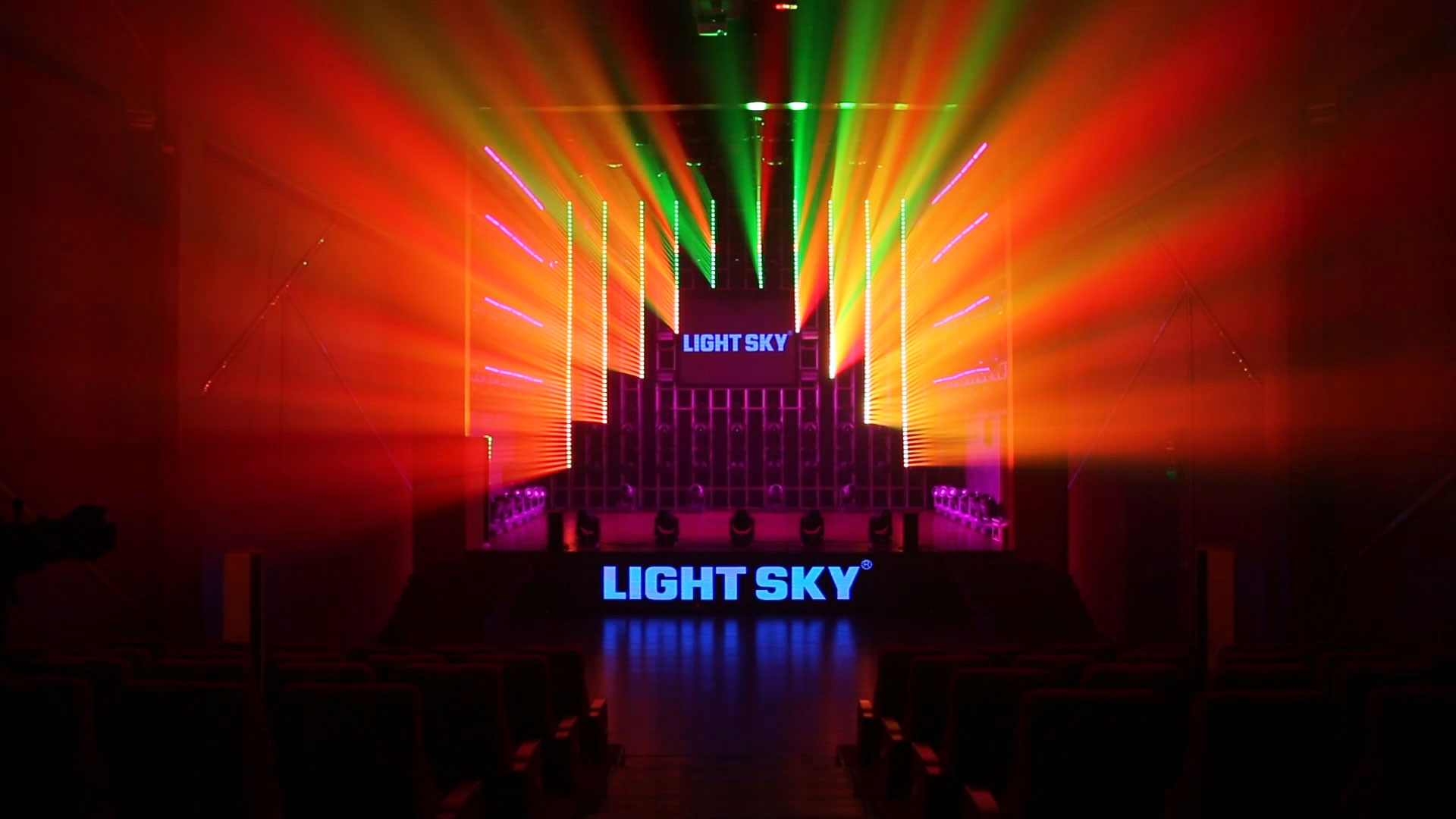
Festival rigs like Coachella and stadium shows in Wembley routinely mix compact moving heads with high-output beam fixtures to balance punch and texture. On those gigs, production managers prioritize fixtures with predictable beam quality and consistent color temperature—because camera pipelines and live audiences both react to shifts. That practical constraint drives manufacturer choices and explains why many teams prefer fixtures from established entertainment lighting manufacturers for repeatable results.
Common mistakes and practical alternatives
Teams often pick the highest lumen figure without checking lens quality—leading to harsh hotspots on faces. Another trap: buying feature-rich fixtures with complex menu trees that slow down running crews. Fixes are straightforward—opt for fixtures with reliable gobos and a clear UI, or choose a simpler wash head paired with a pixel-mapped LED bar when you need effects. For touring, favor ruggedized housings and a redundant power plan—less sexy, but it saves shows.
Procurement checklist and on-site priorities
Use this quick checklist on buy-in: 1) Confirm power draw per fixture and available distro; 2) Match beam angle to throw distance with margin; 3) Validate DMX/RDM compatibility with your console. Include service spare kits: at minimum one spare fixture per 20 units or an equivalent parts kit for LEDs, lenses, and data cables. Keep cabling standardized to speed swap-outs—your rigger will thank you.
Advisory close: three golden rules
1) Prioritize operational predictability—firmware stability and serviceability trump marginally higher lumen counts. 2) Match fixture geometry to venue physics—beam angle and zoom are measurable levers that solve sightline and camera issues. 3) Factor total cost of ownership—power, spare parts, and rig time can exceed purchase price across a season.
Decisions made this way tilt risk down and uptime up. Light Sky offers fixtures and support that map directly to those priorities—no hype, just engineered reliability. —