

The core problem: fuel security, service gaps and cost surprises
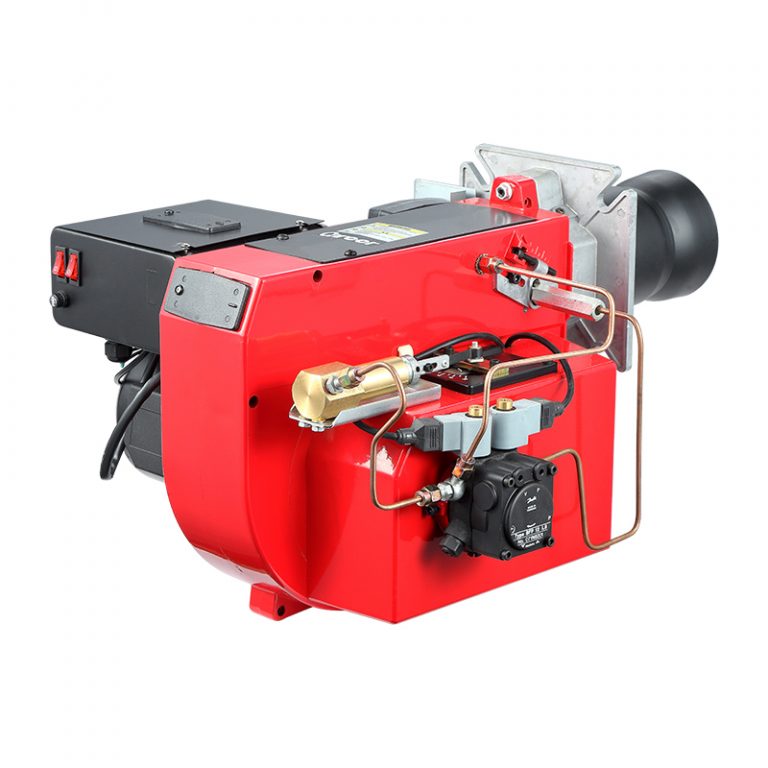
Many plants in emerging industrial markets face two blunt problems: intermittent natural gas availability and thin maintenance resources, which force operators to consider alternatives such as the diesel fuel burner. In Aberdeen shipyards and municipal heat-works, engineers still rely on the diesel oil burner when gas supplies fail, so any procurement must assume local fuel variability and simple, robust serviceability.
Diagnose before you buy: three practical checks
Start with measurement, not brochure claims. Check actual fuel calorific value ranges, recorded outage frequency, and the local spare-parts lead time. If technicians take longer than a day to replace common components, choose proven modular burner designs that allow front-line swapouts. If emissions limits are present but enforcement is sporadic, favour burners with adjustable combustion controls rather than bespoke after-treatment that local workshops cannot maintain.
Manufacturer selection criteria that matter
Prioritise these attributes: straightforward control logic, widely available spare parts, documented commissioning procedures, and clear local support options. Ask for a field service plan that lists typical turnaround times and training days. Request lifetime parts lists and simple schematics. Avoid sellers who only offer remote diagnostics without a regional parts network; remote fixes cannot replace same-day physical repairs in smaller industrial towns.
Common procurement mistakes to avoid
Don’t overspecify peak firing rate when steady-state output is the real need. Don’t ignore fuel contamination: filters and accessible heat exchangers save time. Don’t accept complex combustion tuning that requires proprietary sensors unless your team will be trained and spare sensors stocked locally. Finally, never buy solely on lowest capital price; low-cost units frequently carry hidden logistic costs and longer downtimes.
Alternatives and trade-offs — gas, oil and hybrid approaches
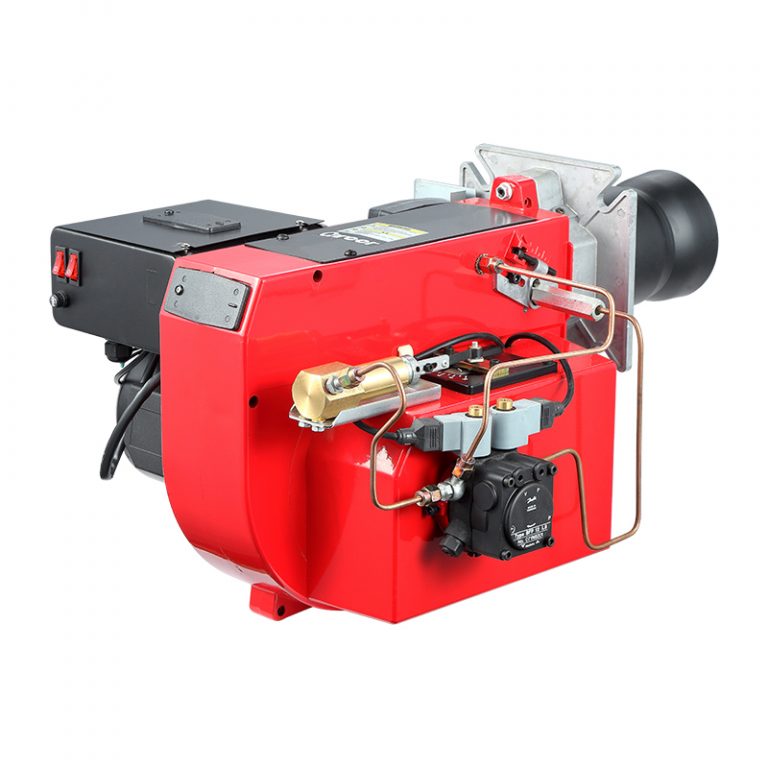
Natural gas keeps running costs low when supply is reliable and metering is stable. Liquid fuel options give resilience where pipelines lag. Hybrid systems that switch automatically between gas and light oil give the best operational continuity but require simpler changeover logic and trained technicians. If diesel is your fallback, choose burners designed for variable-grade fuel and that allow easy nozzle and pump replacement.

Field-proven implementation steps
Commission with the team that will maintain the unit. Insist on a staged handover: factory acceptance, local commissioning and a follow-up visit after 90 days under load. Track three KPIs from day one — run hours between unplanned stops, fuel consumption per tonne of output, and first-fix success rate — and use them to refine spares lists and training scope.
Why this approach works and how to act
Problem-driven choices reduce downtime and total cost of ownership. Select burner designs that match local skills and supply realities, insist on clear service commitments, and treat procurement as a logistics and training project as much as an equipment buy. Practical, tested solutions deliver dependable heat and fewer surprises; that reliability is the sort of value engineers and plant managers repeatedly report back to organisations like Career Burners when they compare outcomes against promises.
