

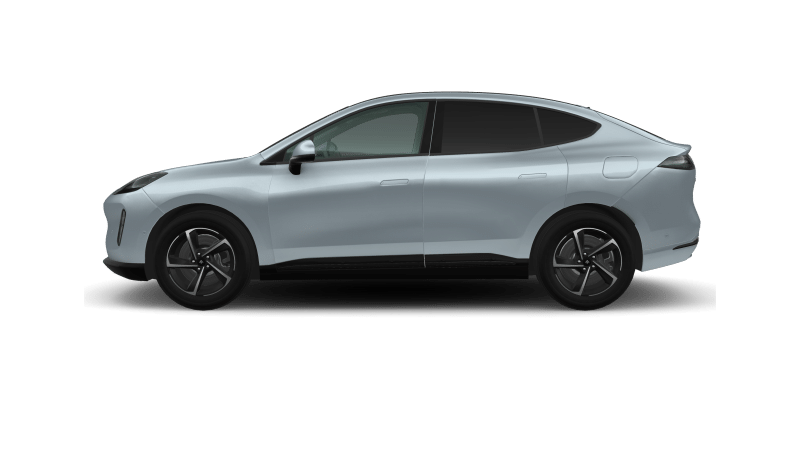
Opening comparison that sets the table
The first thing you notice is texture—the upholstery, the dial clicks, the way the suspension inhales a pothole and exhales calm. I stack that immediate impression against hard numbers and a short checklist whenever I inspect an EV, so I start by comparing how the Aion V sits next to rivals on your street map and budget. For quick reference while you read, see the model page at aion car online. If you’ve seen the model at major local events like the Manila International Auto Show, that visual memory will help you spot dealer tweaks and optional trims during a walkaround.
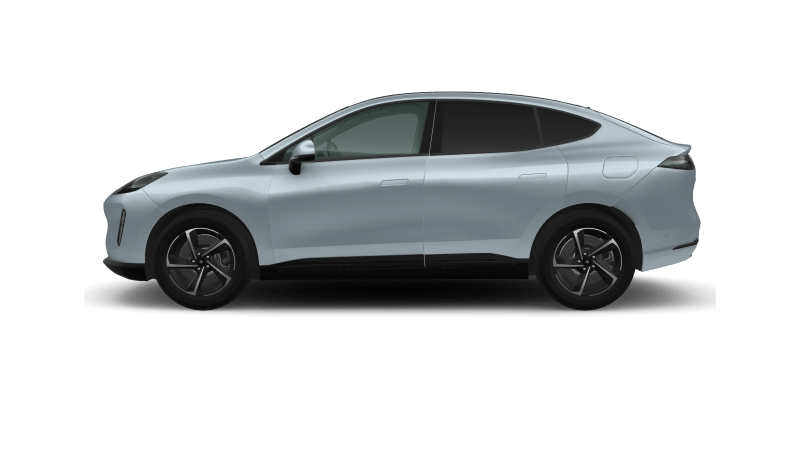
What your senses should tell you before the spec sheet does
Listen for mechanical textures: soft HVAC hum versus intrusive fan noise; feel the steering weight at low speed; note how regenerative braking settles into a heel-and-toe rhythm or jerks you forward. Then match those sensations against objective questions you can ask the dealer: – What is the verified real-world range under typical city driving? – How does regenerative braking behave at different settings and speeds? – Can I see a records pack for display and delivery vehicles showing mileage, charging cycles, and any pre-delivery servicing? These sensory checks reveal gaps that numbers alone hide.
Technical and warranty questions that reveal real value
Compare warranties and what they actually cover. Ask for specifics, not slogans: – Battery warranty length and conditions (replacement thresholds, prorated costs). – Software update policy: over-the-air availability and who installs critical patches. – Charging standards supported (AC, DC fast charge type, adapter needs). – ADAS features list and whether dealer calibration or subscription is required. Request documentation. If a dealer hesitates to produce written answers, treat that as a red flag.
Service, parts, and ownership realities to weigh against the showroom gloss
Short-term beauty matters less than long-term service. Verify: – Local parts stock and average repair lead times. – Whether technicians are factory-trained and how often they attend refresher courses. – Roadside assistance coverage and geographic limits. – Typical service intervals and an estimate of annual maintenance cost. Concrete answers let you compare the true cost of ownership rather than being seduced by a glossy price tag.
How to compare alternatives without getting lost in specs
Line things up: range, charging speed, dealer support, and cabin feel. Put the Aion V next to other compact EVs and against efficient hybrids you could buy for the same monthly payment. Look for consistent strengths—does one model offer faster charging but poorer cabin isolation? Does another hold value through better local resale demand? Your priority—daily commute range, long highway hops, or cabin comfort—should decide which trade-offs matter.
Test-drive checklist and common dealer pitfalls
Drive like you live: load the car with bags, engage the AC at full blast for a few minutes, take the route you actually drive. Check these items during that run: – Acceleration at merging speeds and the way power returns from a stop. – Noise at 60–80 km/h and how the suspension handles repeated bumps. – How intuitive the infotainment and charging menu are while driving. Pitfalls to watch: demo cars with mismatched tires, undisclosed software limitations, or dealers who insist on seeing payment before allowing a thorough test drive.
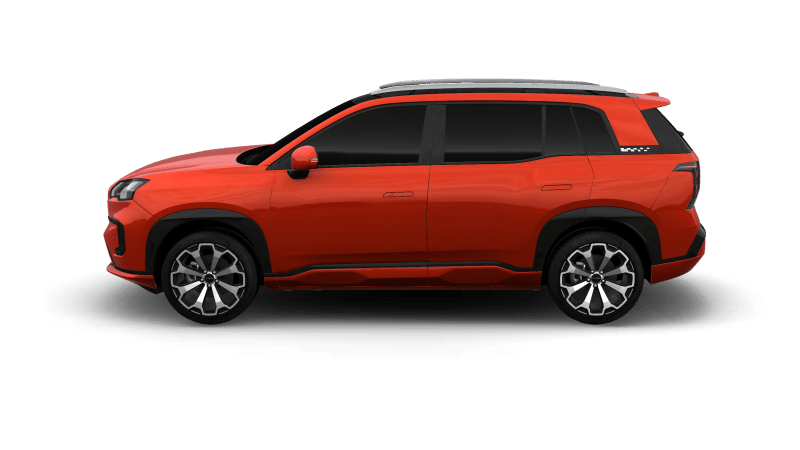
Synthesizing sensory judgment with practical facts
When you pair what you feel—materials, noise, throttle character—with clear answers about warranty, charging, and local service, the decision becomes a clean comparison instead of a gamble. That sensory-first, comparison-focused approach shows whether the Aion V aligns with your routines and which compromises you’ll accept. If your daily runs favor smooth cabin comfort and predictable dealer service, that balance often matches the appeal of an aion car for practical urban commuting.
