

Start fast — see the problem
Move with purpose: fleet operations are hands-on muscle, software is the brain that times the reps. When drivers, dispatchers and safety managers miss the same data cue, you get late routes and bigger risks. I saw that firsthand during a week-long deployment with a 50-bus district in the San Francisco Bay Area where installs and habits collided — and an AI dashcam made the gap obvious within hours.
What the operator owns vs what software actually does
Operators control people, schedules, maintenance cycles and on-the-ground decisions. Software automates, records and predicts. Compare them like this:- Operator responsibility: safe loading/unloading, immediate driver coaching, fuel decisions.- Software responsibility: route optimization, automated incident capture, aggregated performance metrics.Don’t confuse one for the other. The operator executes; the software supplies trustworthy inputs so the operator can act decisively.
Why AI dashcam with gps tracking changes the game
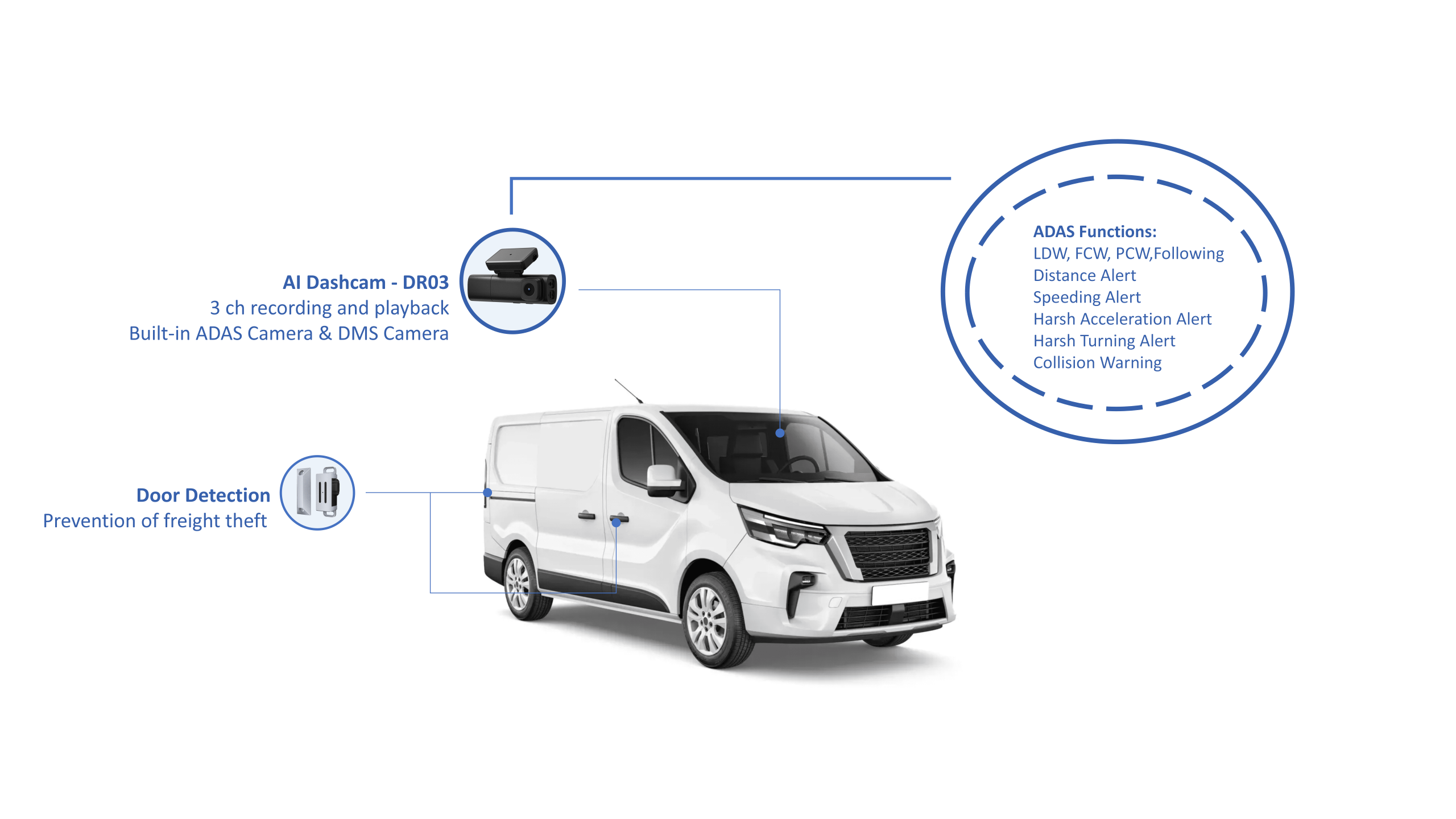
Reliable, timestamped video plus location transforms guesswork into clear evidence. With an AI dashcam with gps tracking you get: objective incident records, automated alerts for unsafe events, and route verification that cuts dispute time. That’s not hype — it’s the difference between shouting into a radio and handing a clip that proves exactly what happened, where, and when.
Common operator mistakes that software can fix — if chosen right
Operators often expect software to magically fix culture or training gaps. That doesn’t happen. Typical errors:- Buying features they don’t use: telematics without driver workflows.- Treating data as a blame tool instead of a coaching tool.- Ignoring integration needs: payroll, maintenance, dispatch.Pick software that fits routines, not the other way around. Software must serve operator workflows, not replace them.
Quick, practical checklist for evaluating systems
Test these hard:- Real-time mobile alerts that dispatchers actually read.- Video clips tied to GPS coordinates and stamps.- Simple driver-facing interfaces — if drivers hate it, it fails.- Clear exportable reports for audits and parent inquiries.- Easy hardware deployment and reliable remote updates.Run a short pilot, measure response times and coach adoption — those minutes are the ROI.
Simple alternatives and when they make sense
Three clear paths:- Hardware-first: buy best dashcams and build integrations. Good when you control install and have IT bandwidth.- Software-first: deploy a strong cloud platform that supports multiple camera vendors. Good for rapid rollout and centralized updates.- Fully integrated: matched hardware + software from one vendor. Best when you want one throat to choke and faster troubleshooting.Match the path to your team’s strengths — don’t force your people into a system they can’t sustain.
Close strong — the practical synthesis
You want fewer surprises, faster coaching and decisions that stick. Operators provide the discipline; the right software supplies clean, actionable data — especially when AI dashcams supply clear video and GPS context. Treat the tools like the training partner they are: relentless, precise, unforgiving of sloppy processes. That practical pairing is what delivers consistent safety and performance, and it’s exactly the approach I find teams rely on when they partner with BSJ.
