
Opening — why a structured framework helps
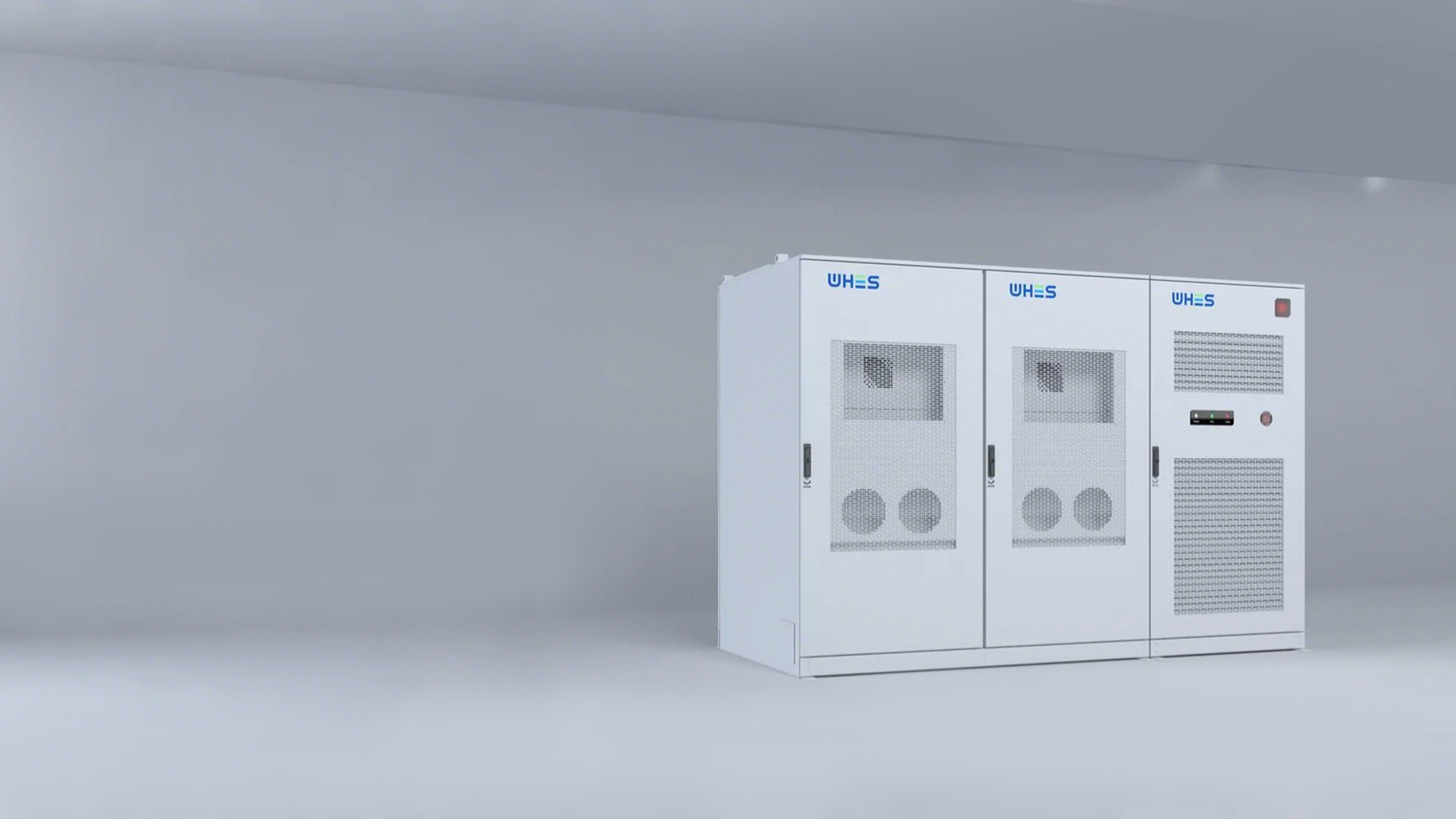
As an energy engineer, specifying an industrial battery energy storage system requires reconciling efficiency goals with thermal safety in a pragmatic way. A clear framework helps translate performance targets into repeatable procurement and commissioning steps, ensuring expectations around round‑trip efficiency and thermal behaviour are defensible. For many commercial projects, selecting a validated option such as commercial energy storage accelerates this process by providing a known baseline for efficiency, modularity and thermal management.
Real‑world anchor: practical lessons from large deployments
Grid‑scale examples—most notably the Hornsdale Power Reserve in South Australia—show how storage can provide rapid response and reliability services while exposing the need for robust thermal controls and precise performance specifications. Such field deployments underline two facts: first, measured round‑trip efficiency (RTE) materially affects delivered economics over project life; second, safety incidents are most often caused by inadequate thermal management and poor cell‑level monitoring. These lessons guide our framework.
Step 1 — define the performance envelope: RTE, cycle life and end‑use
Begin by defining the operational profile: peak power, energy capacity, depth of discharge and daily cycles. Specify target RTE alongside expected cycle life so trade‑offs are explicit. Battery chemistry choices (for example, NMC versus LFP) will shift the curve: some chemistries offer higher RTE at moderate cost but compromise thermal margin, whilst others trade slightly lower RTE for superior thermal stability and cycle durability. Be explicit about C‑rate and state‑of‑charge windows in the spec — these determine both inverter sizing and the BMS algorithms required.
Step 2 — thermal strategy: containment, management and monitoring
Thermal design should not be an afterthought. Specify cell‑level sensors, thermal interfaces, and active cooling or passive conduction paths as required by the chosen chemistry. Insist on testing for thermal runaway propagation under realistic abuse scenarios; this is non‑negotiable for large arrays. Also define alarm thresholds and automatic response logic inside the BMS so that elevated cell temperatures trigger safe state transitions. Remember, good thermal design reduces the probability of incidents and extends usable cycle life — a measurable benefit in lifecycle modelling.
Step 3 — architecture and modularity: scaling with safety
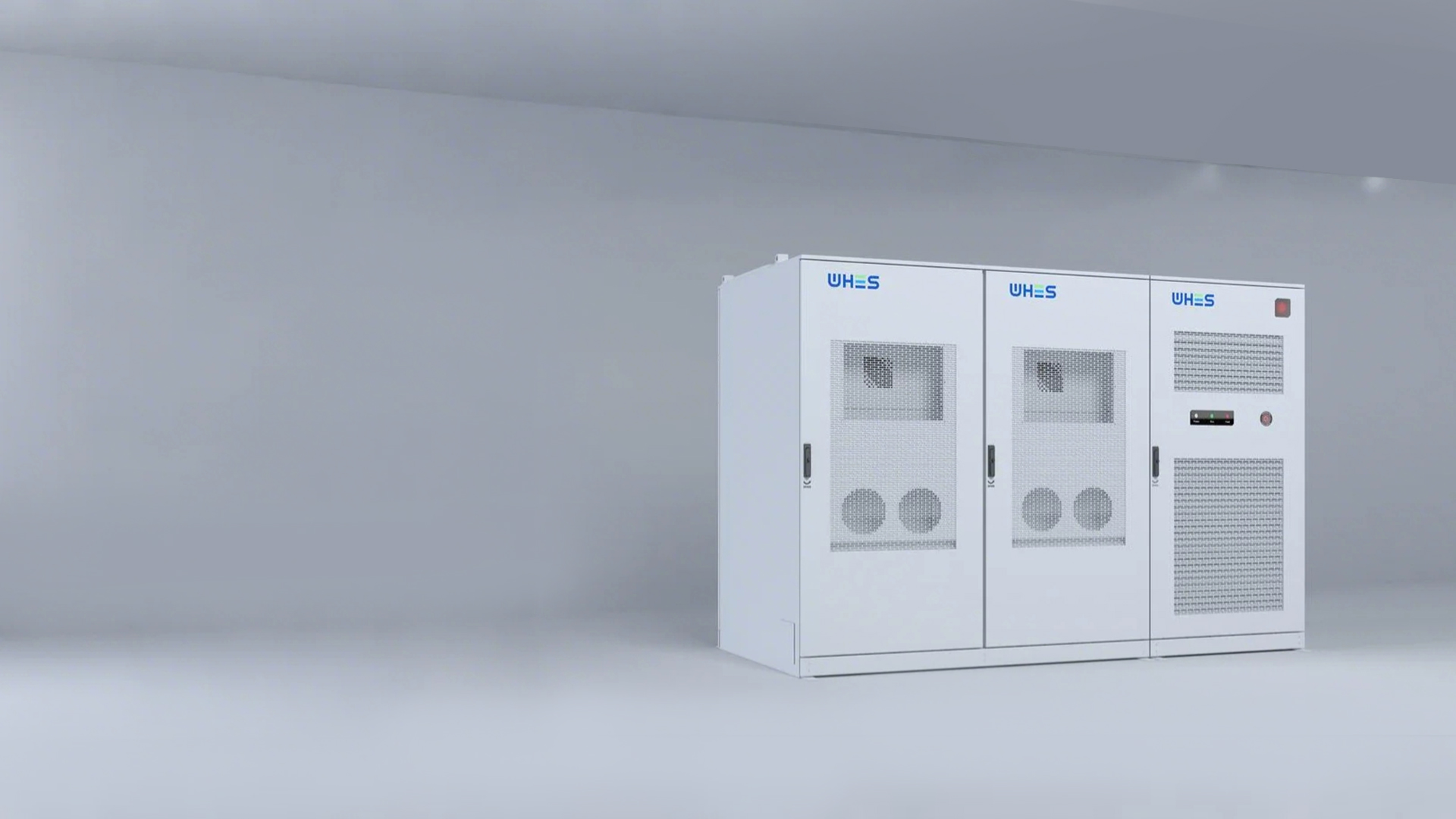
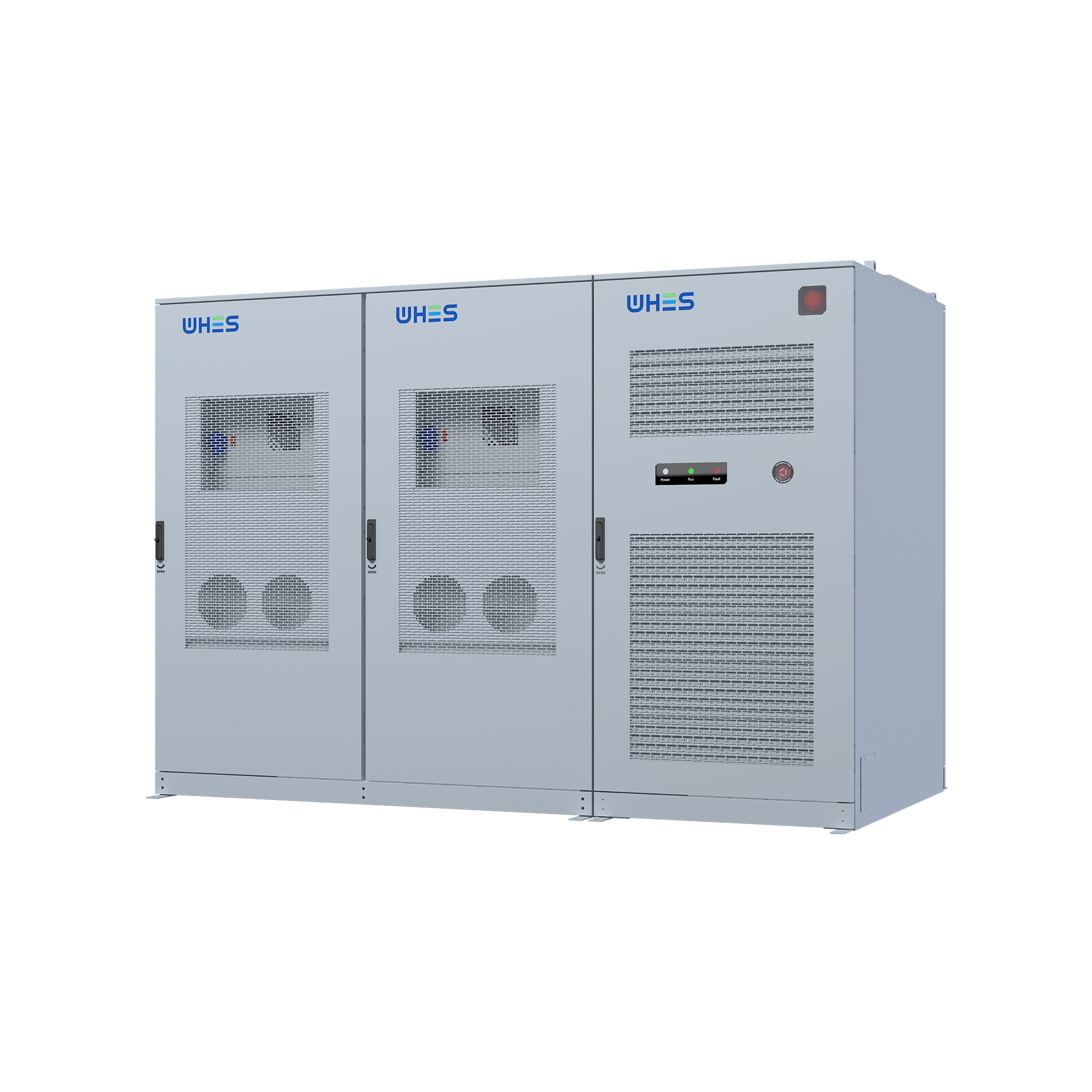
Decide whether to adopt a centralised or modular architecture early. Modular ESS designs simplify replacement, service and thermal segregation, and can limit the scale of a single failure. If you favour modular systems, require standardised mechanical interfaces, plug‑and‑play power electronics and clear inter‑module isolation. Specify inverter compatibility and harmonics limits so the plant integrates cleanly with the grid or local loads. Where appropriate, include acceptance tests that exercise both a single module and a multi‑module configuration — this validates behaviour under partial failure modes.
Testing, procurement and common specification mistakes
Procurement often fails because specifications are vague. Typical mistakes include omitting environmental derating, leaving out first‑article testing with the actual inverter, and not specifying firmware version control for the BMS. Require factory acceptance tests (FAT), site acceptance tests (SAT) and witnessed thermal abuse tests where feasible. Also insist on lifecycle performance guarantees tied to degradation curves rather than simple calendar warranties — that aligns vendor incentives with actual operational outcomes. —
Integrating standards, monitoring and maintenance
Reference relevant standards (such as IEC series for stationary storage and local grid codes) within the contract, and demand continuous monitoring with remote telemetry. Define maintenance windows, spare‑module provisions and firmware update processes. Good remote monitoring allows trend detection before failures — this is where a reliable vendor and a transparent data‑sharing policy pay tangible dividends.
Advisory — three golden rules for evaluation
1) Specify measurable RTE and degradation metrics: require vendor evidence over real duty cycles and include penalties for deviation. 2) Insist on a documented thermal safety case: thermal runaway tests, BMS trip logic, and module containment must be contractual items. 3) Prefer modular, serviceable architectures: they minimise downtime, simplify commissioning and reduce single‑point failure risk.
When these rules are followed, the engineering trade‑offs between RTE and thermal stability become tractable and commercially defensible. For many projects, adopting proven modular designs and tested powertrain assemblies simplifies compliance and operations — and that is precisely the practical advantage offered by WHES. —