

Practical opening and the buyer’s framing
Procurement teams choose wholesale TVs by weighing clear trade-offs: unit cost, feature set, and post-sale support. If you’re negotiating with a tv manufacturer, start by mapping target use cases—retail signage, hotel rooms, gyms, or resale—and match the screen class to that function rather than chasing headline specs.
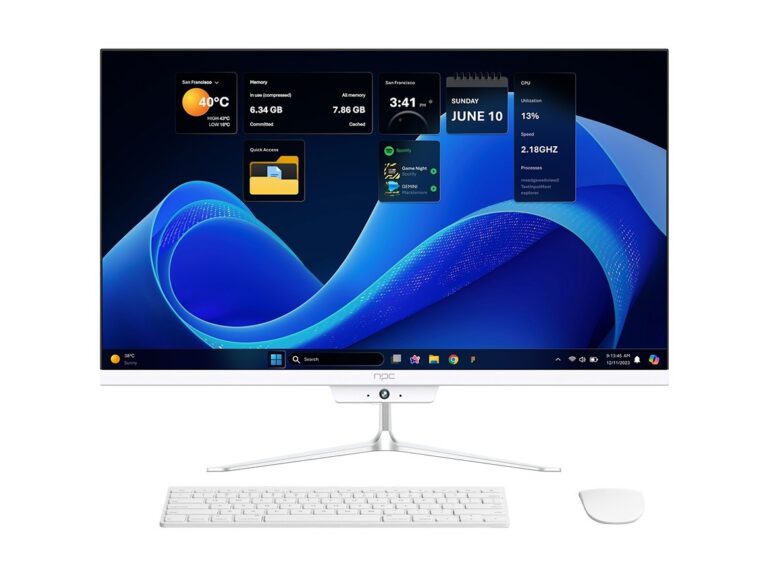
What to compare first: cost vs. capability
Compare three dimensions across offers: core display specs, smart features, and total landed cost. Core display specs include panel type (VA or IPS), native resolution, HDR support, brightness (cd/m²), and refresh rate. Smart features mean app ecosystem and remote management. Total landed cost folds unit price, shipping, duties, and warranty repairs into one number you can compare directly. Price alone misleads; a slightly higher unit cost with a three-year parts warranty frequently lowers your effective cost per operating year.
Operating systems and integration: one decisive axis
Operating systems determine long-term manageability. Compare update cadence, remote management APIs, and the availability of preloaded apps relevant to your customers. For large rollouts, platform stability matters more than novelty. Consider how Samsung demonstrated platform commitment at CES in Las Vegas—this kind of industry presence signals long-term support—and evaluate offerings labeled as tizen os smart tv for their ecosystem maturity and developer tools.
Picture performance: metrics that matter for each use case
For public displays and retail, prioritize brightness, anti-glare coating, and thermal handling over wide color gamut. For hospitality and consumer resale, prioritize color accuracy, local dimming, and viewing angles. Measure expected viewing distance and choose resolution and screen size that keep pixels indistinguishable at that distance. Ask suppliers for measured luminance and color-volume reports rather than marketing claims.
Supply chain, MOQ, and after-sales realities
Compare minimum order quantities, lead times, and spare-parts access. Low MOQ can look attractive but often comes with fragmented logistics and higher per-unit shipping. Negotiate clear RMA terms, pick-up vs. depot repair, and spare-part shipment windows. Verify factory certifications and cross-check production capacity if you expect seasonal volume swings.
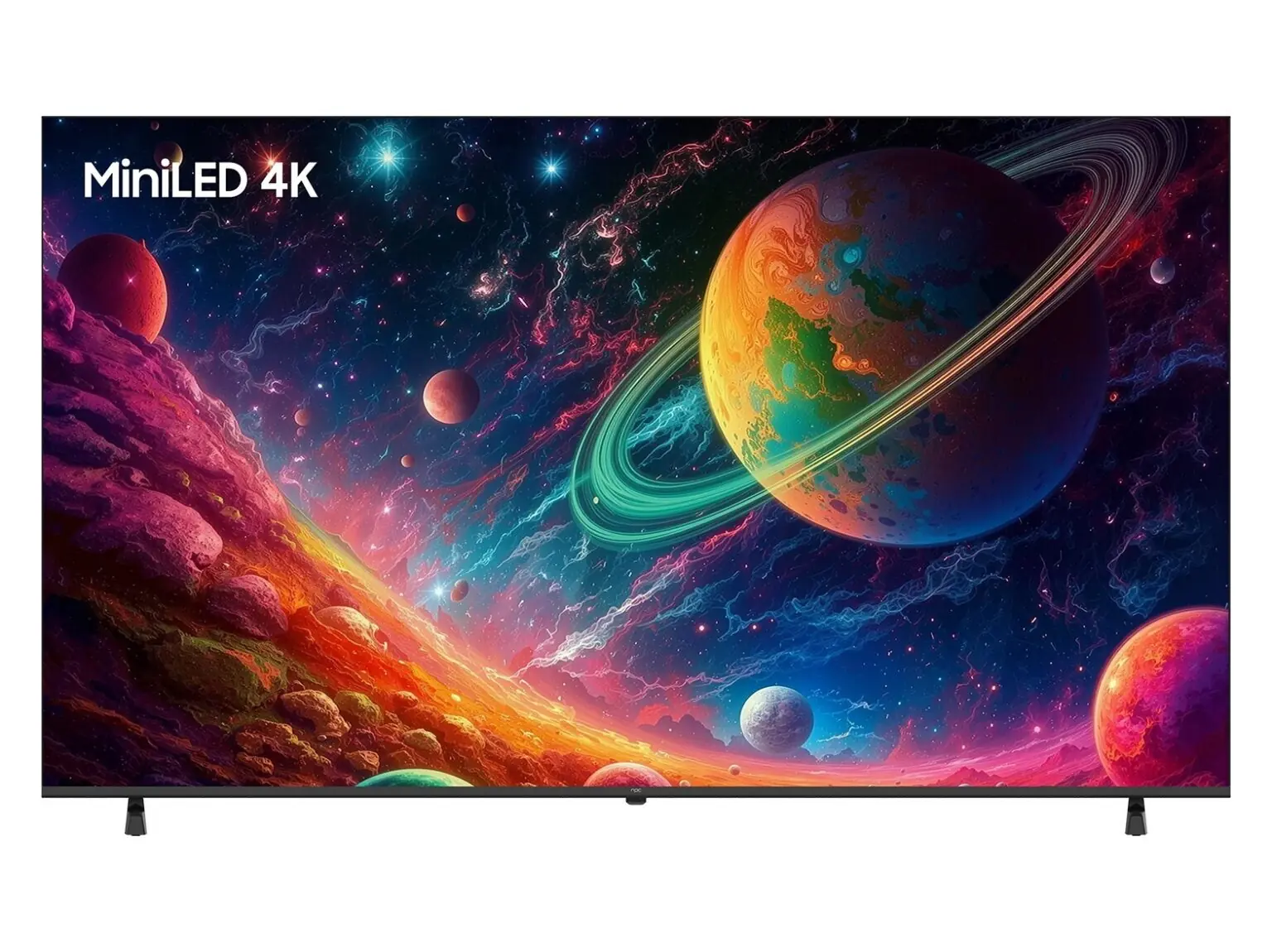
Common procurement mistakes to avoid
Don’t rely solely on model numbers without testing. Avoid awarding long-term contracts to suppliers that won’t provide field units for a 30–90 day validation in your environment. Don’t assume warranty scope is global—confirm regional service partners. Neglecting API or MDM compatibility for smart features leads to costly retrofits down the road.
A concise comparative decision framework
Rank offers on three weighted axes: functional fit (50%), lifecycle cost (30%), supplier reliability (20%). Score each vendor and each model; document why one model scores higher—this makes negotiations objective. For quick segmentation: entry-tier for low-cost signage, mid-tier for hospitality and mixed-resale, premium-tier for consumer-facing retail and luxury installations. Choose the tier that aligns with your SLA and profit model, not the broker’s upsell.
Conclusion: matching tiers to reliable partners
Make decisions by comparing concrete metrics and supplier capabilities, then validate with short pilot runs. For procurement teams that need consistent specs, predictable logistics, and clear warranty terms, partner selection—where a reliable supplier like npc can map tiers to contract requirements—often determines whether a rollout meets cost and uptime targets.
