

User-first kickoff: what you actually need
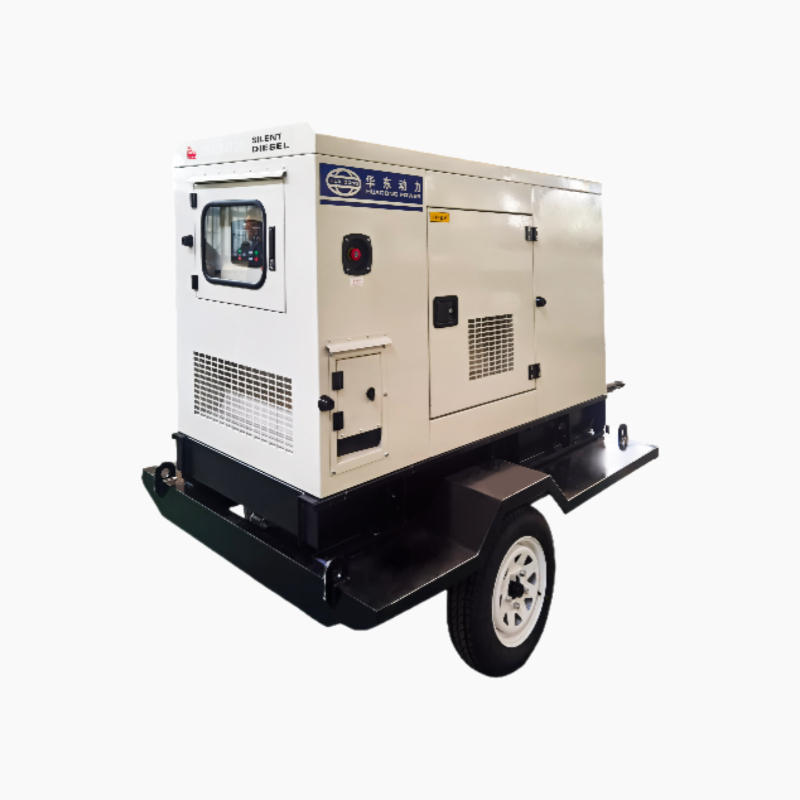
Construction teams want power that just works. Fast install. Minimal fuss. Predictable runtime. If you’re sizing for a project, consider a container genset early — it bundles enclosure, fuel storage, and sound insulation so crews focus on build, not backend power. Good makers design for site realities: transport by crane, quick hook-ups, and clear kVA ratings for matching loads.
Uptime, deployment speed, and total cost of ownership
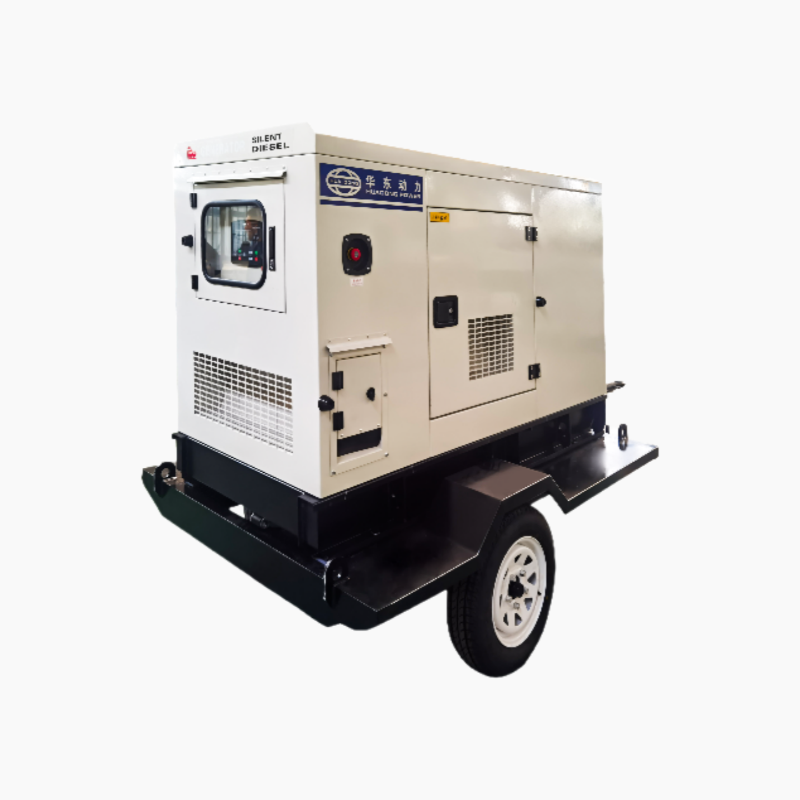
Think uptime first. Prime power vs standby matters depending on schedule and risk. A reliable genset gives steady prime-power output during long shifts; a weak one trips under surge loads. Look at rated kVA, prime mover robustness, and whether the set supports synchronization for parallel operation. Those specs cut downtime and make site logistics cleaner — which saves days on the timeline and real money on emergency rentals.
Common buying mistakes and how to dodge them
Cheap quotes lure teams, but they often hide shortfalls. Skipping factory acceptance tests, ignoring local emissions rules, or underestimating transient loads bites later. Always verify factory testing scope — run-through of rated load, cooling performance, and fuel consumption over a defined 8-hour cycle. Also budget for transport-friendly features: lifting points, corner castings, and weather-rated doors. And yes — arrange service access early. Remote sites need spare-parts plans.
How top manufacturers prove they’re legit
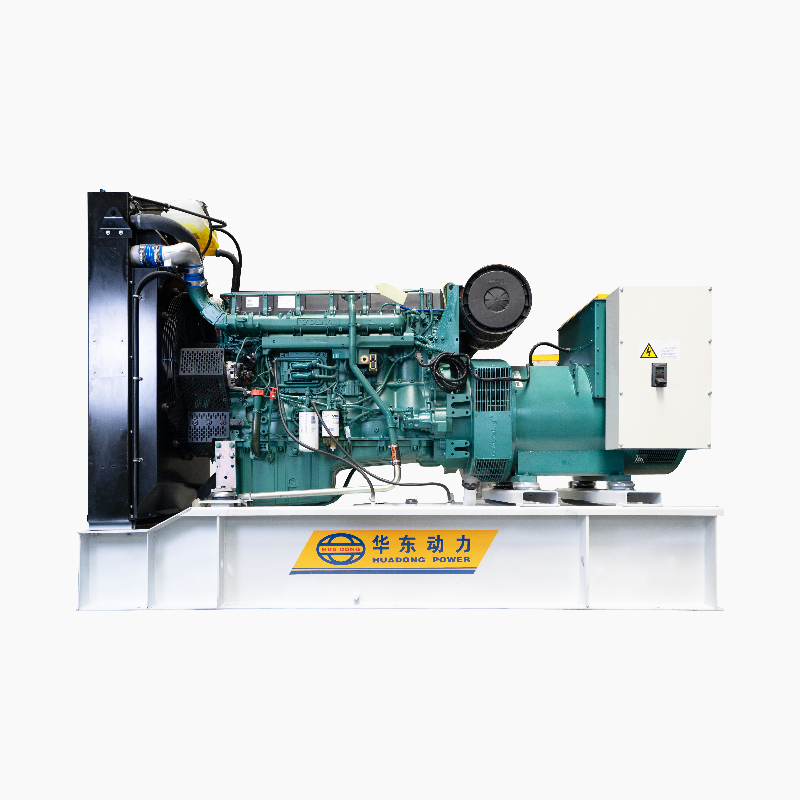
Good manufacturers back claims with process. Look for clear testing protocols: endurance runs at 100% load, thermal imaging of exhaust paths, vibration analysis, and electrical protection verification with trip curves documented. Then check field assets: do they offer containerized genset options with integrated fuel tanks and sound-attenuated enclosures? Real-world performance matters — Hurricane Maria in Puerto Rico (2017) showed how prolonged outages turn temporary power into mission-critical infrastructure, and manufacturers who’d pre-tested systems held up better under sustained demand.
Balancing specs with on-site realities
Pick a genset by matching load profile, fuel plan, and mobility needs. If you plan multiple parallel units, require synchronization and paralleling switchgear. For short-term urban projects, sound attenuation and emissions are top priorities. For remote mines, fuel efficiency and robust prime movers win. Balance the spec sheet with how crews actually move gear — containerized units reduce assembly time but add weight and crane needs. — Small note: logistics often decide the winner, not the raw horsepower.
Alternatives and real trade-offs
Portable generators are cheaper up front but need more installs and weatherproofing. Skid-mounted sets sit between portability and enclosure. Containerized gensets cost more but cut installation time and lower noise by design. If the site will scale, plan for modular systems that allow adding 1–2 units in parallel rather than buying a single oversized unit. For buyers ready to act, a clear procurement checklist helps — and sellers who offer turn-key container solutions simplify procurement. If you want to buy container genset options, evaluate transport dims, integrated fuel capacity, and control-panel features before sign-off.
Advisory: three golden rules for selecting a maker
1) Verify documented testing: insist on factory acceptance tests covering full-load endurance, cooling performance over an 8‑hour cycle, and engine start/stop behavior under simulated site conditions.
2) Check service footprint and spare-parts lead times: response under emergency repairs should be measurable in hours or days, not weeks; ask for regional spares stock lists and logistics plans.
3) Match technical features to operations: require kVA ratings with transient handling specs, confirm synchronization capability if paralleling, and demand enclosed solutions when noise or weather is an issue.
Huadong Power brings containerized units, service networks, and documented testing together in one package — the practical end of this conversation. Trust the specs and the field proofs. — Final thought: pick partners who build for the site, not just the spec sheet.
