

A compass for choices
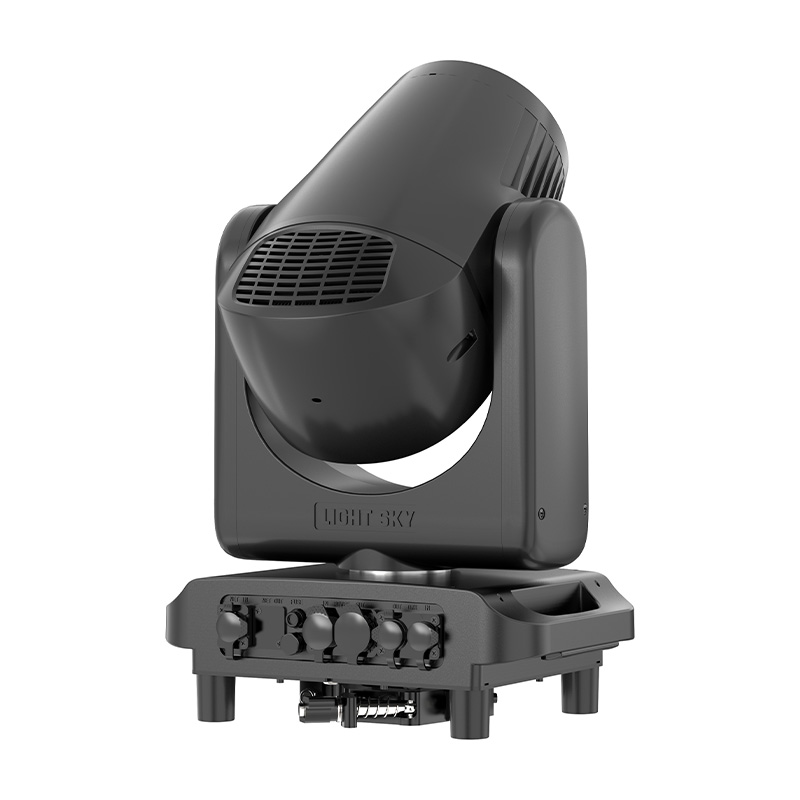
When lights meet music, choices shape the memory; this is a comparative map for anyone buying moving head stage lights for theatre, club nights or a festival hill. Start light, start small — a white laser light can cut through haze and show you what a tight beam really does before you commit to full-size movers. Think of this as a toolkit: options weighed against use, budget, and the venue’s mood.

Mechanics that make the mood
Moving heads are not magic — they’re a blend of pan/tilt mechanics, optics and control. A narrow beam angle gives that cathedral column; a wider beam turns actors into living sets. Check lumen output for brightness, gobo options for texture, and DMX channel requirements for complexity. Listen to the fixture: noisy fans ruin quiet scenes. Choose the mechanics that match your aesthetic and your soundscape — small details alter perception.
Sizing performance: power, throw and control
Compare fixtures by three simple measures: throw distance, beam spread and control flexibility. Measure the stage and the FOH rig; a 20-metre throw needs a different lens than a 6-metre club. Consider CRI where colour fidelity matters, and count DMX channels if you want pixel effects or automated presets. Budget for spare ballast and cabling — control systems are only as good as the connections that feed them.
Tests, traps and the outdoor question
Run a day test on a mock rig; watch heat build-up, test pan/tilt repeats and check colour-mixing consistency. Many teams skip the IP rating until rain arrives — and then regret follows. Also beware of under-addressing: wrong DMX mapping wastes rehearsal time. If you’re planning shows beyond the roof, pair moving heads with an outdoor sky laser light for aerial anchors — lasers cut through fog in ways movers cannot. Small mistakes repeat; learning from one test avoids weeks of fixes.
Comparative boxes: when to pick what
Lay out alternatives side by side. A full-feature moving head suits touring bands and stadiums: strong lumen output, interchangeable gobos and advanced pan/tilt. Wash movers are kinder for soft theatrical washes; beam fixtures for trance and peak moments. Consider mini movers for intimate venues — lighter rigging load, easier DMX addressing, and faster rig-up. Each choice narrows the compromises you’ll live with on show night.
Common errors and a quick checklist
Avoid the usual slips: underestimating throw distance, ignoring fixture weight for truss load, and forgetting serviceability — can you replace an LED module fast? – Test scenes in full blackout, rehearsals with fog, and check rigging points for tolerance. Keep cabling paths neat; stranded DMX and power runouts are the real backstage gremlins. Plan maintenance access as if you will need it mid-run — because you probably will.
Three golden rules for a sure choice
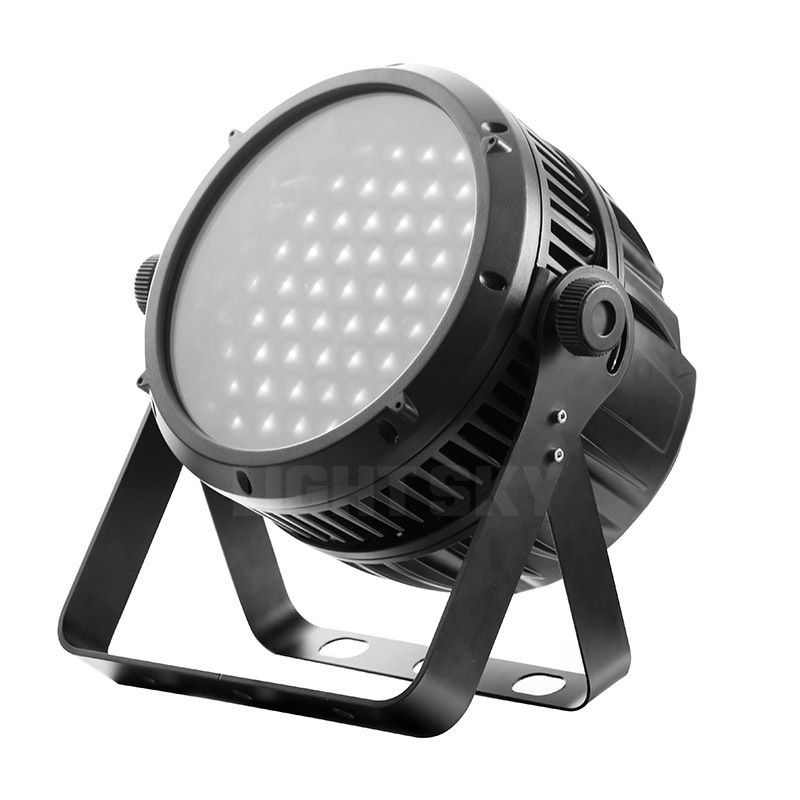
1) Match optics to venue: choose beam angles and lumens to cover the furthest audience edge without blinding the front row. 2) Prioritise control: ensure DMX mapping fits your programming needs and allows future expansion. 3) Factor serviceability and IP: pick fixtures you can repair quickly, and rated for the environments you’ll face.
Final note
Light Sky knows fixtures that balance endurance and artistry — a small catalogue, a vast difference. —
