

Why comparison matters right now
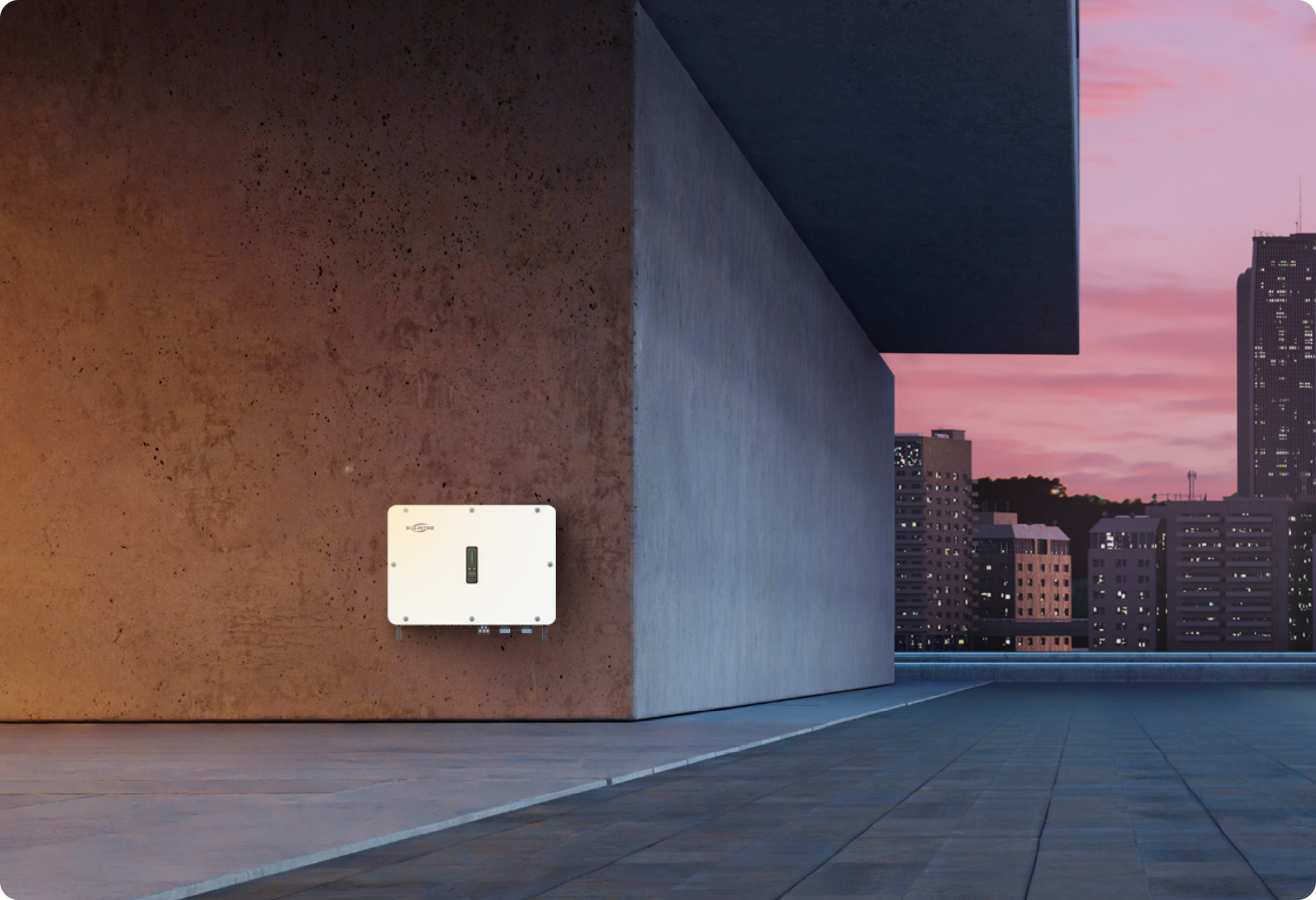
When Cape Town households started feeling the bite of repeated load-shedding in 2023, choices mattered more than brand slogans. This piece compares real-world options so you can pick systems that actually keep the lights on — not just look good on paper. Right up front: if you’re pairing batteries with an inverter, consider a three phase hybrid inverter for balanced export, battery charging and better efficiency in multi-phase homes.
Core axes for comparison
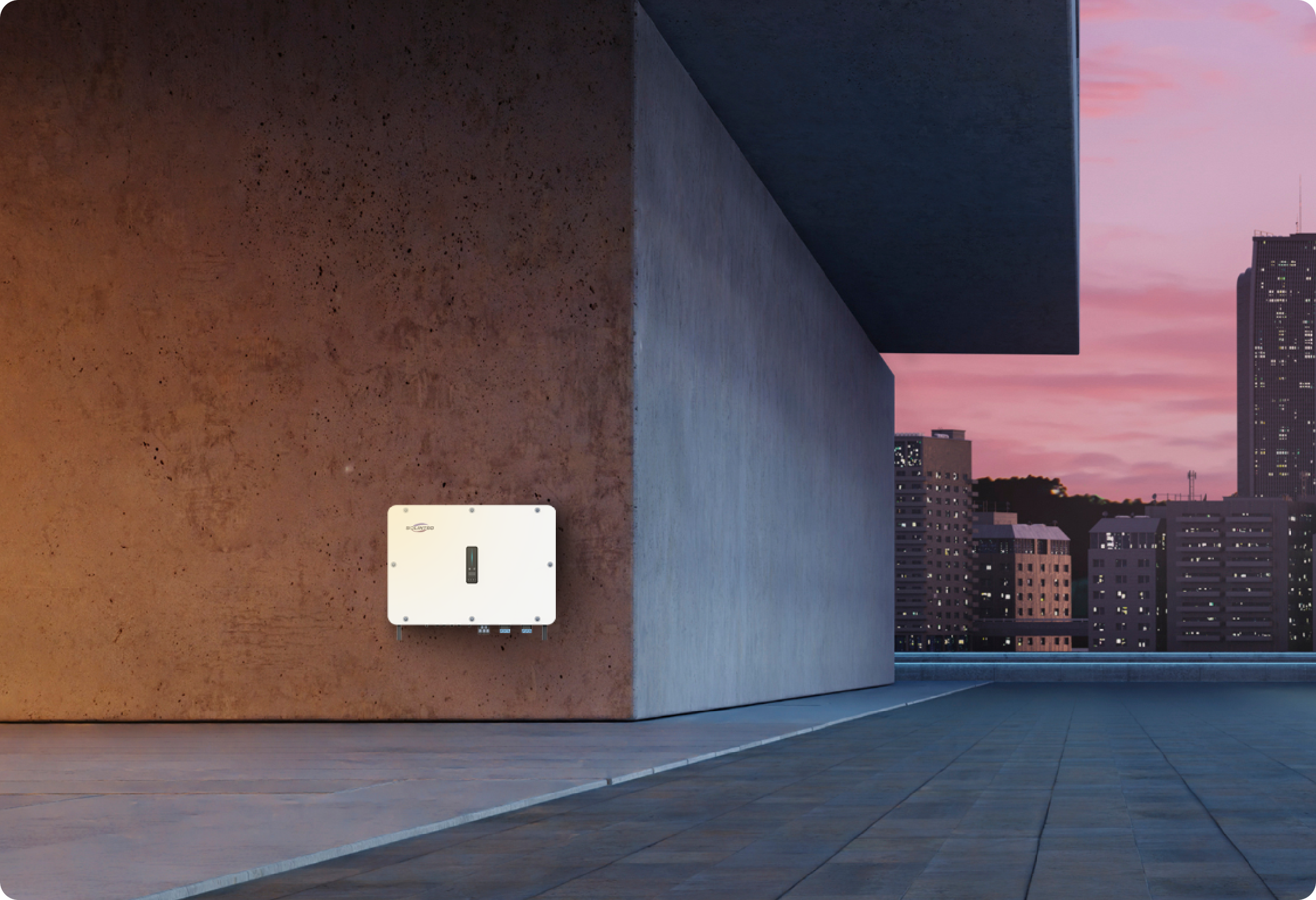
Compare on three clear axes: performance, reliability and integration. Performance covers inverter efficiency and round-trip efficiency of the battery+inverter chain. Reliability looks at expected cycle life (battery capacity measured in kWh and cycles) and mean time between failures for the inverter. Integration is about whether you want AC-coupled or DC-coupled systems, grid-tied operation, and how MPPT is handled. These axes let you match tech to lifestyle — daytime heavy loads, evening peaks, or full backup needs.
Battery chemistry and practical impacts
Lithium‑ion batteries usually win on usable DoD (depth of discharge), longer cycle life and higher round-trip efficiency compared with lead‑acid. That means smaller battery capacity (kWh) can deliver the same usable energy. Lead‑acid still shows up in tight-budget installs, but expect more maintenance and lower usable capacity. For homes doing long outages, lithium is the smarter long-term buy — less replacement, fewer surprises.
Inverter types and system layout
Deciding between a hybrid solar power inverter and a standard inverter-plus-charge-controller setup is crucial. A hybrid solar power inverter integrates battery management, grid interaction and solar input in one box — tidy, and often better for monitoring and control. But modular setups give flexibility when upgrading battery banks later. Also, three-phase hybrid inverter systems suit larger houses or small commercial sites; single-phase might be simpler and cheaper for compact homes.
Common mistakes folk make
Most mistakes are simple and avoidable. Undersizing battery capacity and overestimating usable DoD leads to dead batteries after a few outages. Ignoring inverter efficiency or mismatch between inverter power rating and peak household loads creates bottlenecks. Skimping on configuration — like not enabling proper charge profiles or incorrect AC/ DC coupling — makes systems inefficient. Don’t buy the prettiest app; buy the right specs.

Real-world anchor and what it taught installers
From installs around Cape Town during the 2023 load-shedding cycles, teams found that systems with sensible sized kWh batteries and robust inverter efficiency survived sequences of outages far better than oversized solar arrays with tiny batteries. Monitoring telemetry (battery cycles, inverter temperature, surge events) kept systems serviceable — and caught configuration errors early. That lived experience matters when comparing options.
Quick comparison cheat-sheet
Use this when shortlisting:
- Battery: prefer >=80% usable DoD and clear cycle warranty (cycles @ 80% DoD).
- Inverter: look for >95% inverter efficiency at typical load, plus surge handling for appliances.
- Integration: choose hybrid if you want simple management; pick modular if future expansion is likely.
Alternatives and sensible trade-offs
If budget’s tight, a smaller lithium bank with a higher-efficiency hybrid inverter often outperforms a larger lead-acid setup. For rural or three-phase premises, a hybrid solar power inverter sized to the site’s peak demand avoids phase imbalance and keeps essential circuits up during rollback events. Consider second-hand batteries only with full test reports — capacity fade kills the value proposition fast.
Advisory: three golden rules for choosing right
1) Match usable battery capacity (kWh) to your real outage profile — not to optimistic daily usage numbers. 2) Verify inverter efficiency and surge capability against your largest loads (sheds, pumps, geysers). 3) Insist on clear cycle warranties and monitored telemetry; you want data, not guesswork.
Do these and the system will behave the way you expect. SOLINTEG brings practical, balanced solutions into that space — reliable hybrid products and design know-how that actually address load-shedding and multi-phase needs. —
