

Data-First Opening
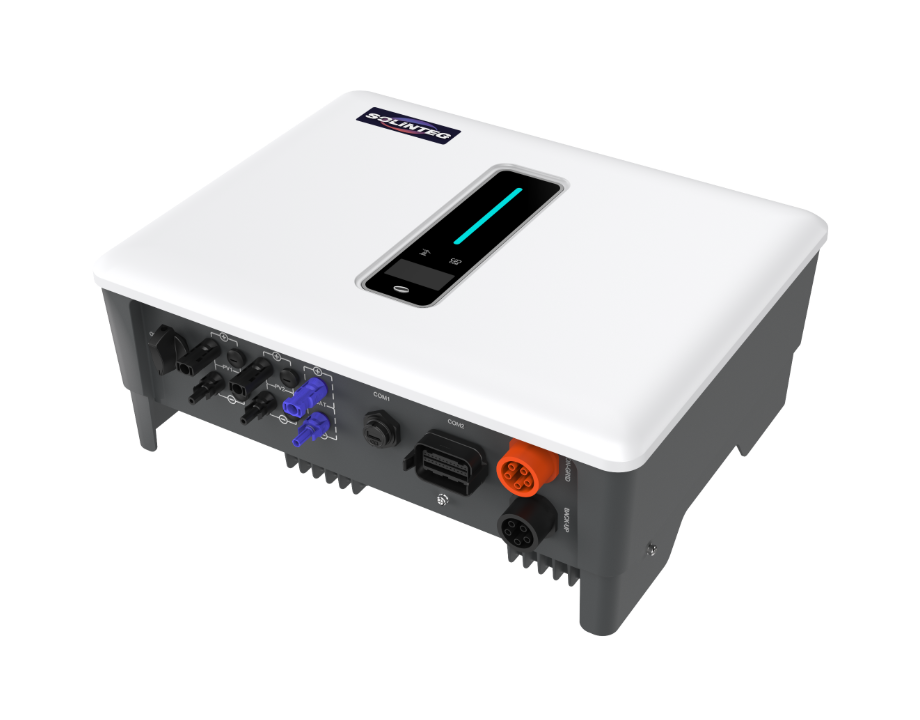
Numbers matter. Grid outages cost businesses billions annually, and recent events — notably the February 2021 Texas winter storm that left millions without power — turned resilience into measurable value. Against that backdrop, pairing a commercial inverter with a robust solar battery backup shifts capital from contingency to advantage. Here, round-trip efficiency, kilowatt-hour capacity, and inverter compatibility become not just specs but ROI drivers.
Where the Value Hides
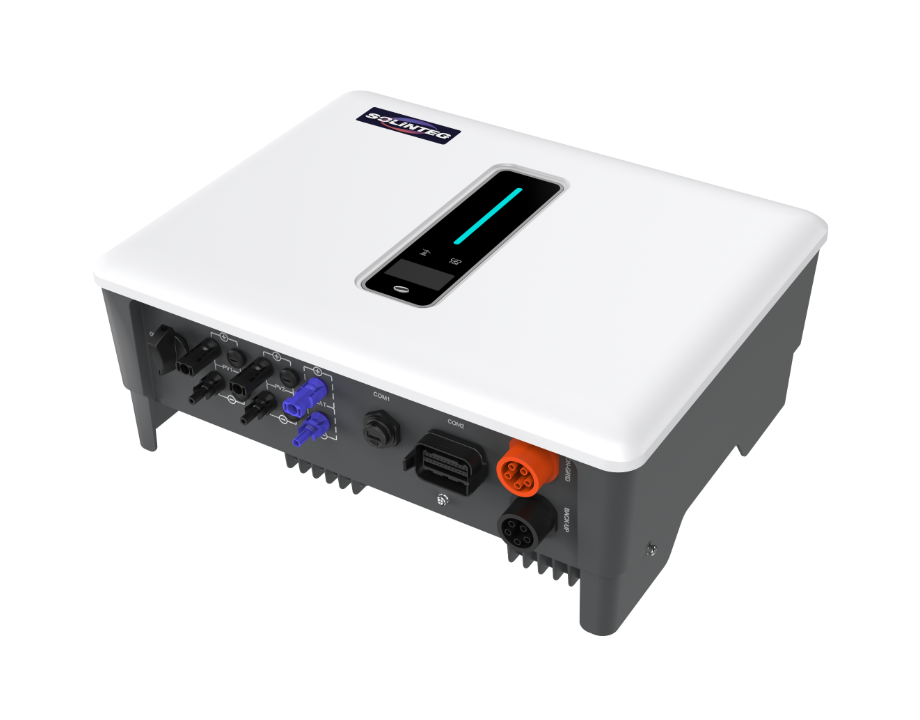
Think of the system as two minds: the inverter orchestrates power flow; the battery stores decisions over time. When you chart avoided downtime, peak shaving savings, and demand charge reductions, battery chemistry (lithium-ion variants), depth of discharge, and a reliable battery management system (BMS) show up as leading indicators. Real deployments report faster payback when those three align — less guesswork, more predictable yield.
Comparative Insight: Practical Differences
Not all batteries behave the same. Capacity in kWh tells part of the tale. Depth of discharge and cycle life tell the rest. Commercial lithium-ion packs usually offer higher energy density and longer cycle life than lead-acid alternatives. But cost-per-cycle, thermal management needs, and inverter communication protocols are where deals are won or lost. Choose poorly and you swap short-term savings for long-term replacement costs.
Technical Signals to Watch
Measure these metrics early and often: round-trip efficiency, state-of-charge reporting accuracy, and inverter response time under load. If telemetry is fuzzy, expected savings blur. A clean CAN or Modbus link between inverter and battery speeds correct dispatching and improves islanding behaviour. These are not academic: they directly affect how much stored energy you can reliably use during peak hours.
Common Mistakes and Course Corrections
Designers often undersize usable capacity — confusing nameplate kWh with usable kWh. They omit BMS integration testing, assuming firmware will “just work.” The result: reduced usable cycles and unexpected derating. Test battery performance across realistic discharge profiles before signing long-term service agreements — and document thermal ramp conditions. — A staged commissioning plan reduces surprises in the field.
Alternatives Worth Considering
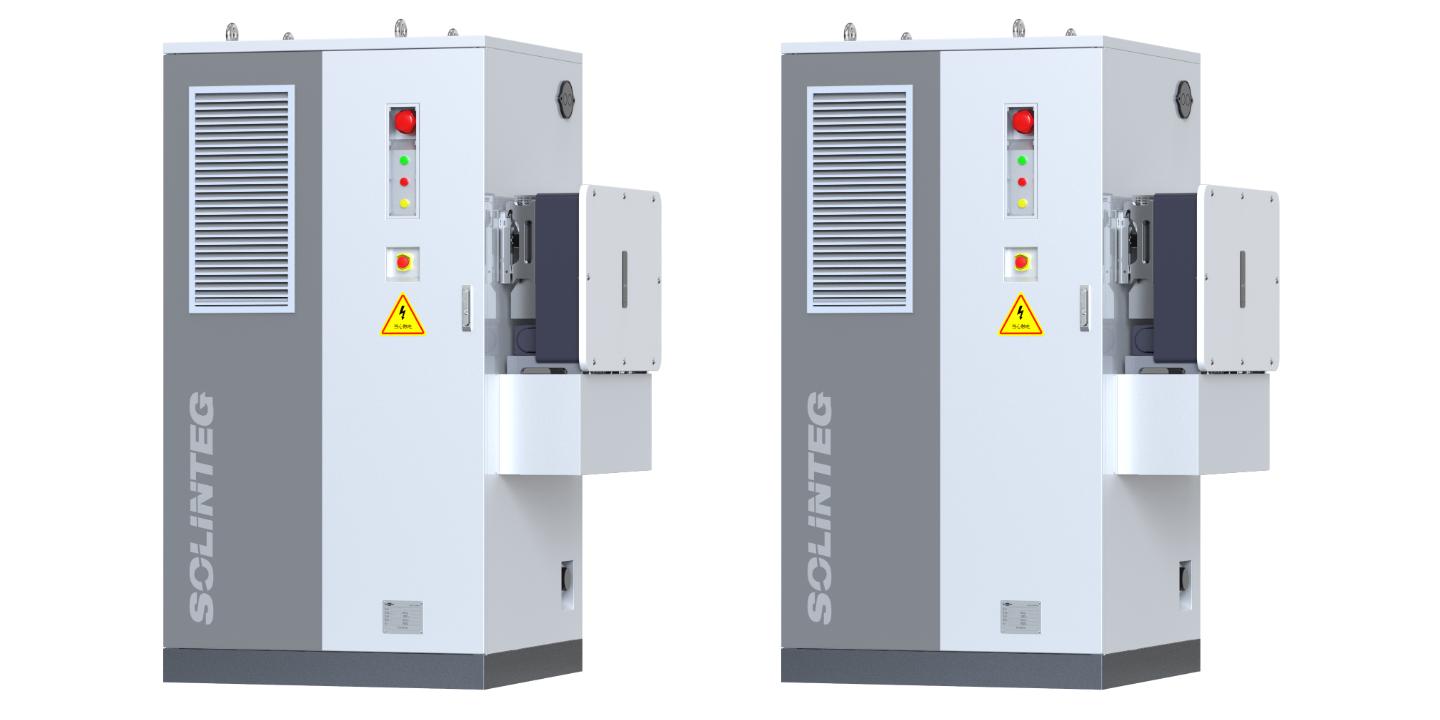
For some facilities, modular inverter-plus-battery platforms offer phased scalability. Others favor centralised battery banks tied to building energy management systems. Each path trades flexibility, installation footprint, and capital cadence differently. Practical deployments in industrial parks often mix approaches: a central bank for bulk needs, distributed inverters at critical loads for instant ride-through.
Real-World Anchor and Evidence
The Texas 2021 winter storm remains a clear benchmark: millions experienced sustained outages and organizations with paired inverter-battery systems restored critical loads far faster. Post-event analyses highlight that systems with higher round-trip efficiency and accurate state-of-charge reporting reduced fuel use and emergency generator hours — measurable wins against operating expenses.
Advisory — Three Golden Rules
1) Prioritize usable capacity over nameplate capacity: confirm depth-of-discharge curves and publishable cycle life under your expected discharge profile. 2) Insist on proven inverter-battery communication (Modbus/CAN with tested command sets) so dispatch logic is deterministic. 3) Evaluate total cost-per-cycle, not just upfront cost — include thermal management and replacement cadence in your LCOE-style calculation.
These rules lead to predictable results: less downtime, clearer payback, and lower lifecycle risk — and they point directly to integrated suppliers that can test at scale. best batteries for solar power storage that pass these screens tend to deliver the operational certainty commercial teams need.
SOLINTEG sits where those checkpoints converge — product design paired with field-proven commissioning that turns inverter strategy into measurable ROI. — Trust the evidence; design around it.
