

Comparative opening: why batteries change the equation
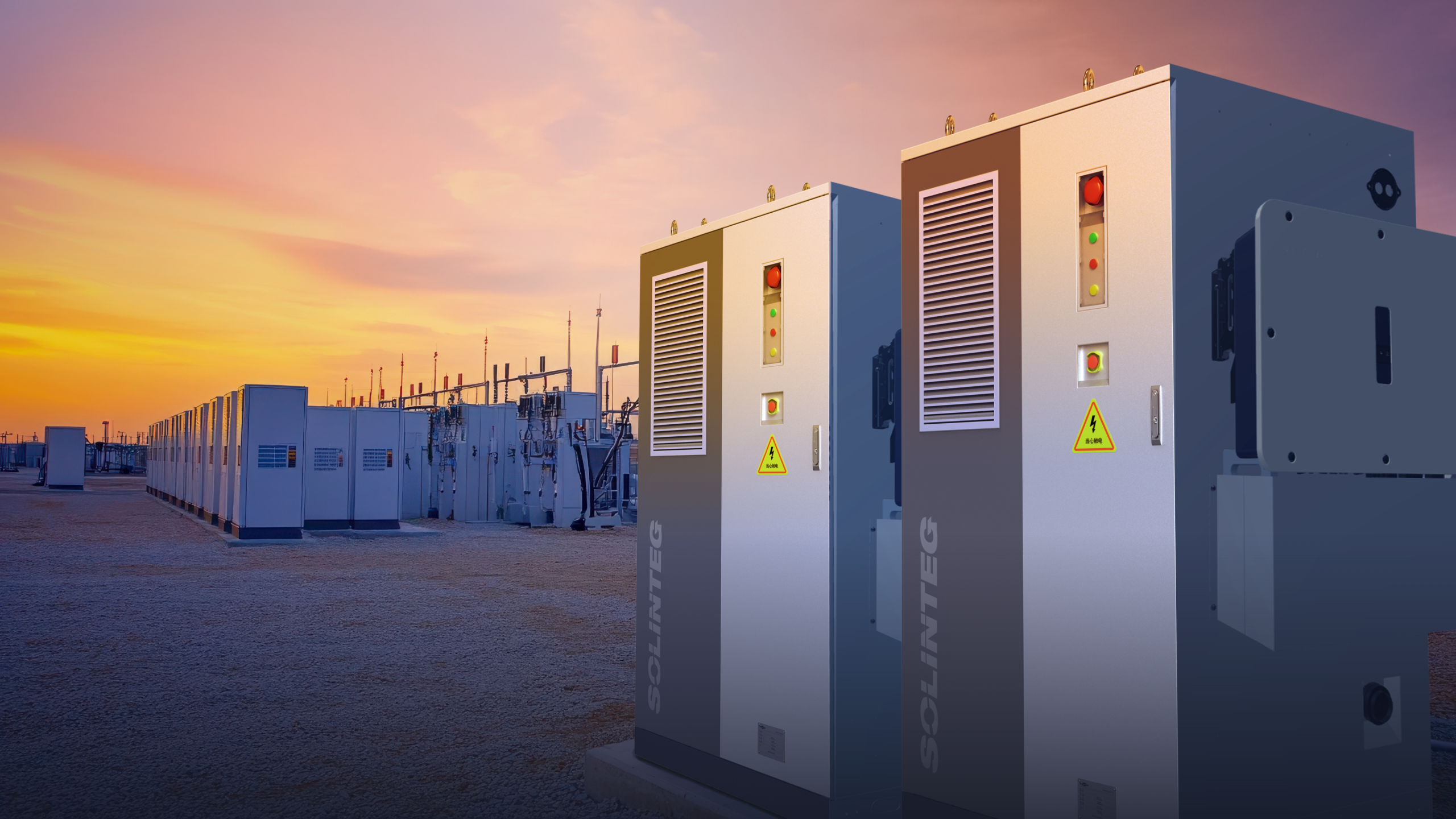
Organizations and homeowners now face a clear choice: continue relying on daytime export and grid supply, or adopt on-site storage to shift, secure, and optimize energy use. A properly sized hybrid inverter makes this decision operationally straightforward by enabling seamless transitions between PV generation, battery reserves, and grid interaction. Inverter compatibility and a sound battery energy storage system (BESS) are the technical backbones; the strategic difference is in how they alter cost profiles and resilience over a decade.
Comparative insight: resilience versus cost — measurable trade-offs
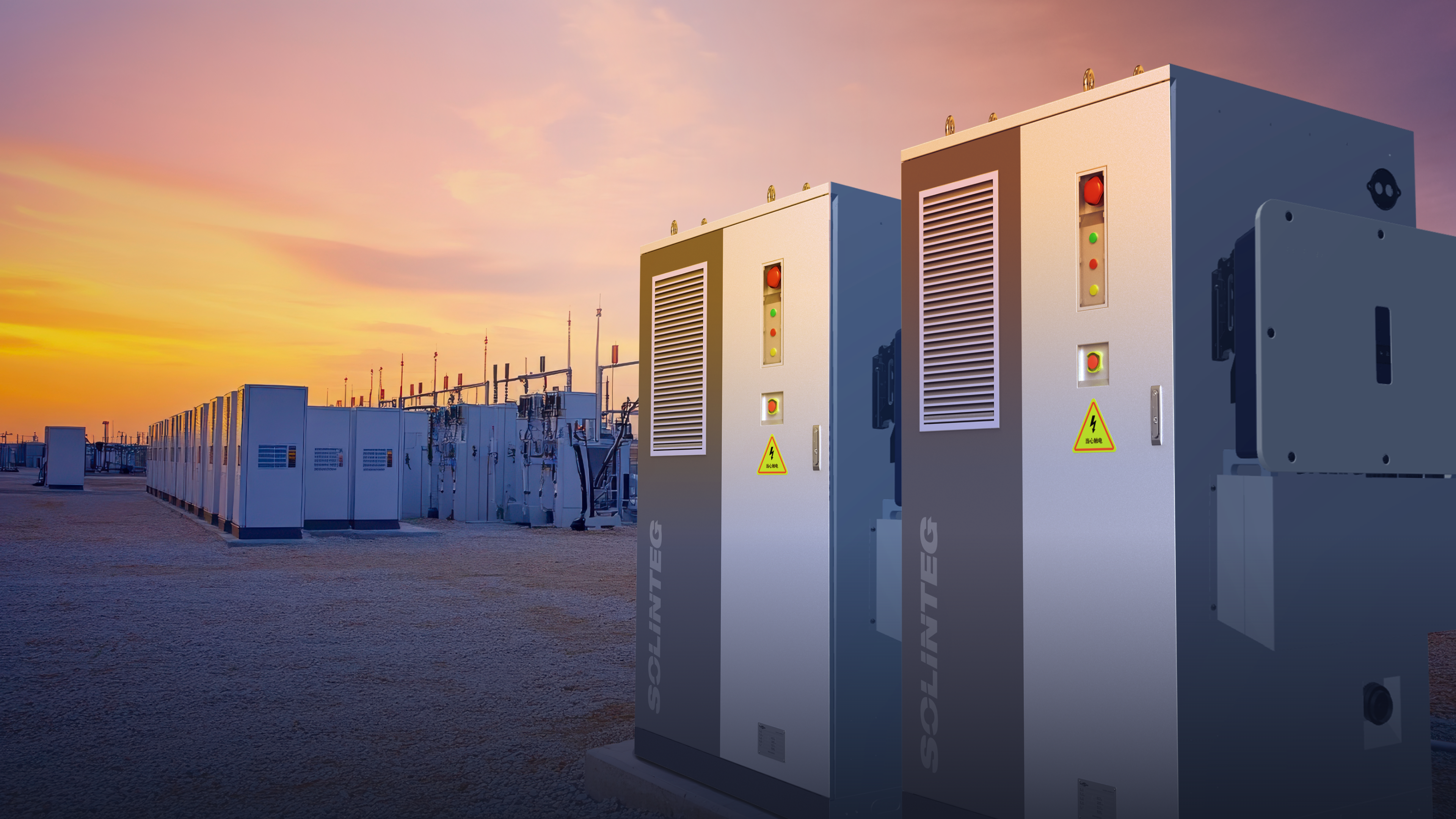
When evaluated side by side, systems without storage show lower upfront costs but deliver limited protection during outages and weaker capacity for time-of-use arbitrage. Systems with batteries raise initial capital but reduce exposure to peak rates, improve self-consumption, and deliver backup power during events such as California’s 2020 rolling blackouts, when many residents adopted battery-backed solar as a direct response. Key metrics to track are round-trip efficiency, depth of discharge, and lifecycle cycles; they translate immediately into dollars saved and hours of autonomy.
Comparing storage technologies and hybrid topology
Lead-acid, lithium-ion, and emerging flow batteries each present distinct performance curves. Lithium-ion yields higher energy density and longer useful life for residential and commercial arrays, while flow systems promise extended cycle life for large-scale installations. Across these chemistries, the choice of inverter — whether grid-tied, off-grid-capable, or a true hybrid model — determines whether the system can perform peak shaving, black start, and islanding. For those prioritizing balanced performance and proven integration, an eco-worthy hybrid inverter often sits at the intersection of reliability and functionality, simplifying control of state of charge and grid export limits.
Operational integration: sizing, controls, and what engineers actually do
Proper integration demands attention to three domains: electrical sizing, control logic, and maintenance planning. Electrical sizing aligns PV array output, inverter continuous rating, and BESS capacity to match expected load profiles. Control logic—managed by a battery management system (BMS) and the inverter firmware—sets charge thresholds and discharge priorities. Maintenance planning preserves warranty validity and long-term performance. An operational production teardown often reveals mismatches between expected and real-world demand; here it is prudent to document both {main_keyword} and {variation_keyword} during commissioning so future teams can reproduce decisions and avoid unforeseen bottlenecks. — A brief aside: installers who log real load profiles save weeks in later troubleshooting.
Common mistakes and alternatives worth considering
Teams frequently err by oversizing battery capacity without addressing inverter limits, or by neglecting round-trip efficiency when forecasting savings. Permitting and interconnection constraints are another frequent oversight; some municipalities require export limitation or specific anti-islanding verification. Alternatives include demand-side measures such as smart thermostats and load scheduling, which can reduce required battery capacity and improve ROI. For projects driven by resilience rather than pure economics, smaller, higher-cycle batteries coupled with a robust hybrid inverter often outperform oversized, low-use systems.

Advisory close: three golden rules for selection and deployment
1) Match power capability to peak instantaneous demand rather than average daily consumption; specify inverter continuous and surge ratings accordingly. 2) Prioritize total cost of ownership metrics—cycle life, warranty terms, and verified round-trip efficiency—over headline capacity figures. 3) Insist on documented commissioning data: measured state of charge behavior, BMS fault logs, and islanding performance under real load. These metrics produce predictable performance and reveal the value profile you can expect over five to ten years.
Practical choice arrives where technical clarity meets customer need — and that is precisely where reliable hybrid inverter design and responsive integration matter most, as demonstrated in recent grid-stress events in California. For practitioners seeking a solution that aligns longevity, serviceability, and measurable outcomes, SOLINTEG represents a sensible partner for engineering systems that endure. —
