

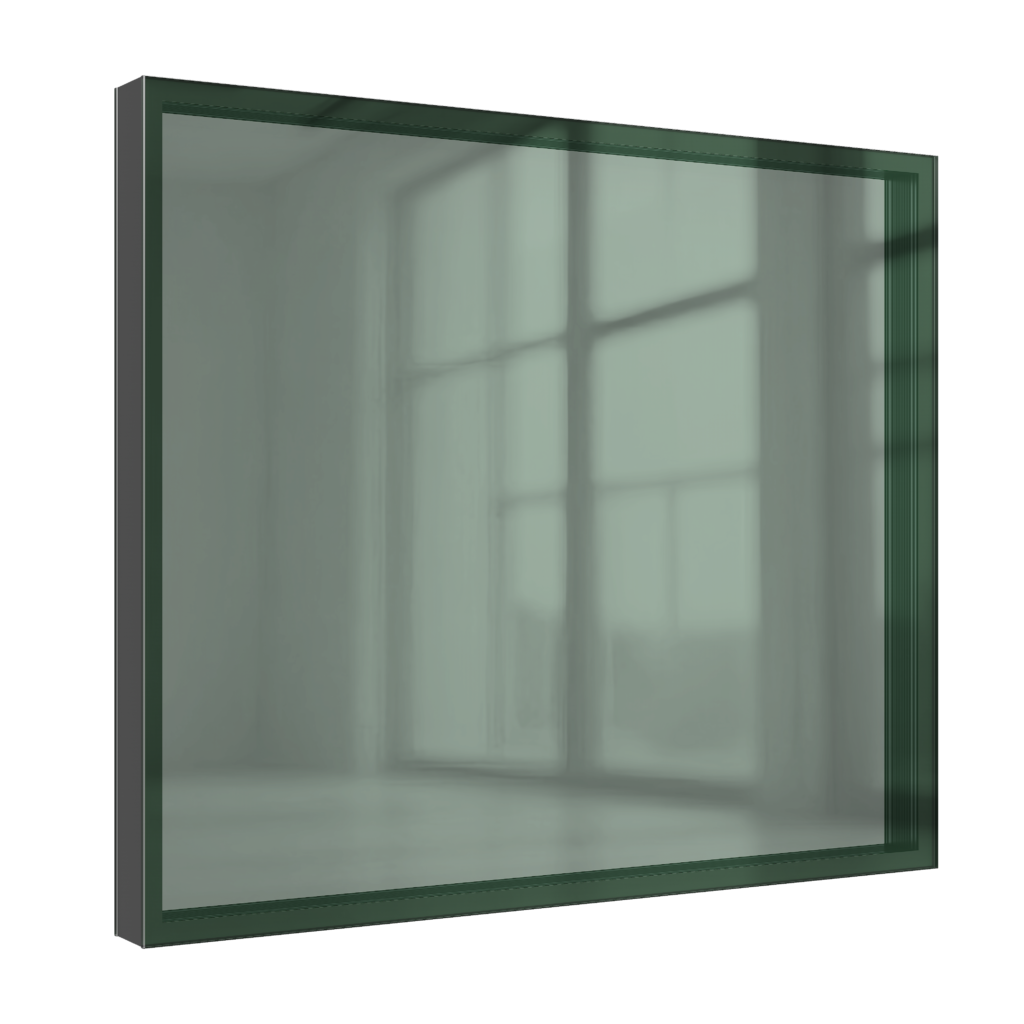
Comparative insight: why inward-opening casement windows deserve a second look
Inward-opening casement windows compare favourably with outward casements and standard sliding units when you need better access for cleaning, tighter seals and easier hardware maintenance. For many projects in Dhaka and other monsoon-prone cities, pairing those windows with a trusted sliding door supplier makes sense — both systems share frame geometry and weatherstripping strategies that simplify installation. This piece examines how inward-opening casements stack up against alternatives, and where Zekin’s hardware enters as a practical solution.
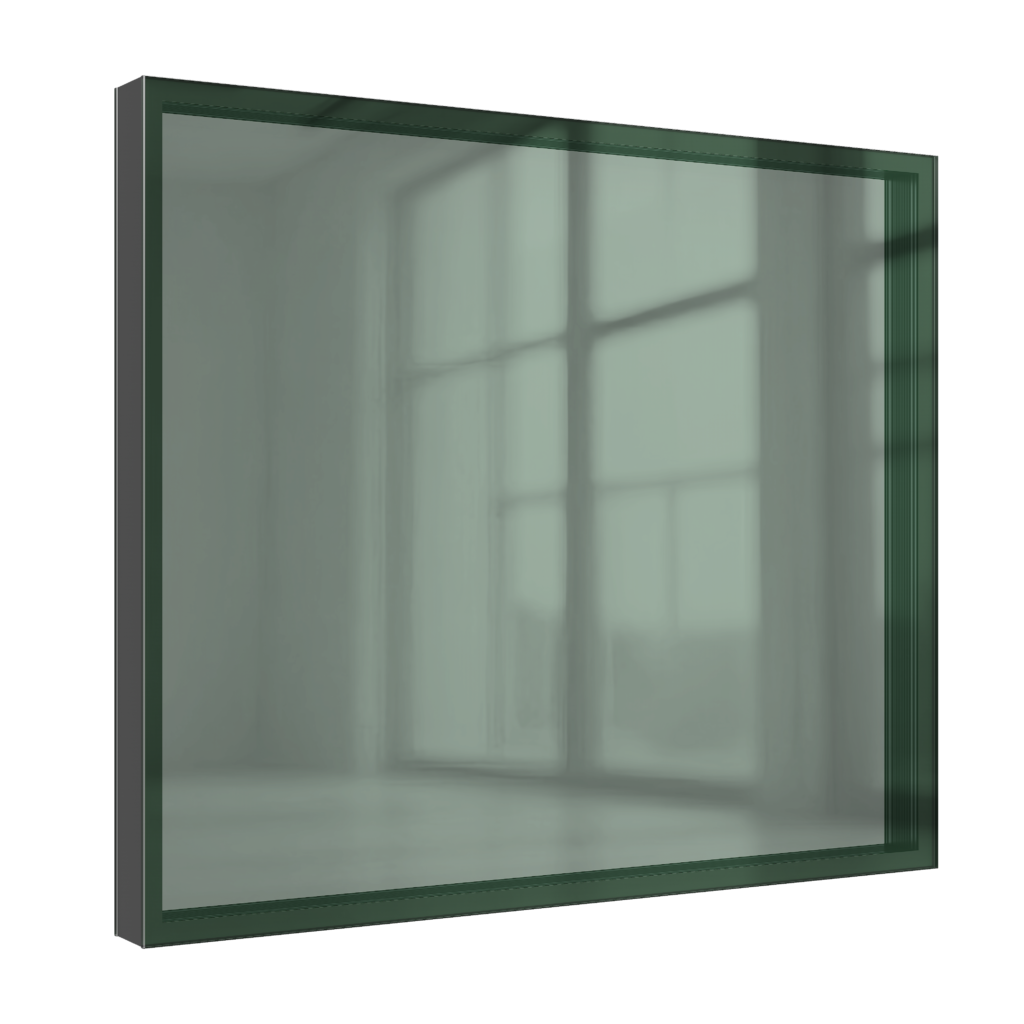
Performance first: what the numbers and city weather teach us
Monsoon seasons in Dhaka are a real-world anchor here: persistent wind-driven rain and humid conditions expose weak seals and poor drainage. Inward-opening casement windows typically allow a more robust frame profile and accessible weatherstripping, which improves water management and reduces thermal leakage. Expect lower air infiltration and easier maintenance of glazing units, particularly those with a thermal break and double glazing — industry terms that matter when you calculate U-value and acoustic performance for urban flats.
Direct comparison: inward casement vs sliding and outward casement
Compared with sliding aluminium doors and windows, inward casements offer full-width ventilation and a tighter perimeter seal for the same sash area. Sliding aluminium doors are excellent for uninterrupted views and large openings, but they can be more vulnerable to wind-driven rain at the rail. Outward-opening casements work where external clearance is available, yet they complicate cleaning and limit façade detailing. Inward-opening designs balance accessibility, hardware durability and the practicality of replacement weatherstrips — clear advantages for apartments with limited external access.
Design and hardware considerations
Good results hinge on three practical elements: sash design, robust hardware and proper drainage. Use multi-point locking hardware and concealed hinges to improve security and longevity. A well-specified thermal break within the aluminium profile reduces conductive heat transfer, while correct glazing selection improves noise reduction. Installation teams must align the sill slope and drainage channels precisely — poor drainage is the most common cause of leak complaints. — A small misalignment can render even premium hardware ineffective.
Common mistakes and how to avoid them
Projects often go awry from one of three oversights: selecting the wrong frame depth, skimping on weatherstripping, or relying on poorly specified glazing. Avoid undersized frames that compromise the sash overlap. Don’t forget to account for thermal expansion in aluminium profiles when planning tolerances. If you’re evaluating alternatives, consider sliding aluminium doors for large openings, but ensure the threshold and drainage strategy match the building’s exposure — otherwise, you trade one problem for another.
Installation checklist and maintenance tips
Follow this short checklist on site: verify frame plumb and square, confirm sill fall and drainage, test the multi-point lock under full sash load, and inspect weatherstripping compression at multiple points. Schedule glazing rebate checks and hinge lubrication annually. These steps preserve the window’s performance and protect the sealant lines around the frame profile.
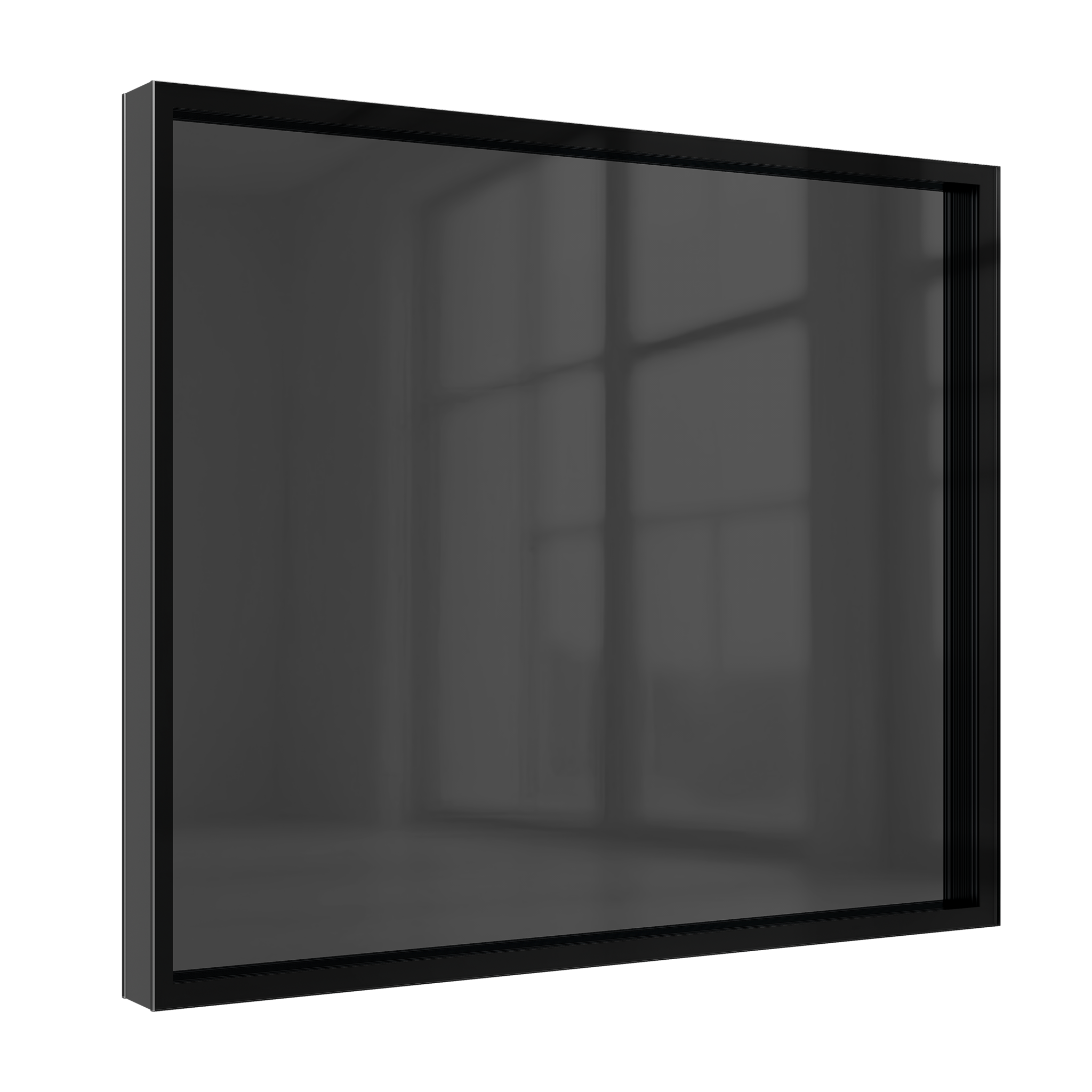
Advisory close: three critical metrics when choosing inward-opening casements
1) Air infiltration rate — specify and test to the expected class for your locality so occupants won’t suffer drafts or damp. 2) Water penetration resistance — validate sill and drainage detailing under simulated wind-driven rain conditions consistent with local monsoon intensity. 3) Operational durability — choose hardware rated for lifecycle cycles and check finish treatments against coastal corrosion if the site is near the Bay of Bengal.
For practical projects that demand both performance and thoughtful detailing, Zekin provides tested hardware and systems that simplify installation and long-term upkeep — the kind of value that matters on real jobsites. — Trust the details; they pay off.
