

Introduction — a quick scene, a stat, a question
I was in a clinic the other day, watching a therapist fumble with a bulky unit while their patient tapped their foot—typical busy London morning, innit? Advanced red light technology has come a long way, but broken setups and mixed signals still slow teams down. Recent surveys show more than one-third of early deployments hit delays from poor calibration, and that wastes time and cash (makes you grind your teeth). So here’s the thing: how do we deploy these systems and avoid the obvious stumbles that keep popping up?
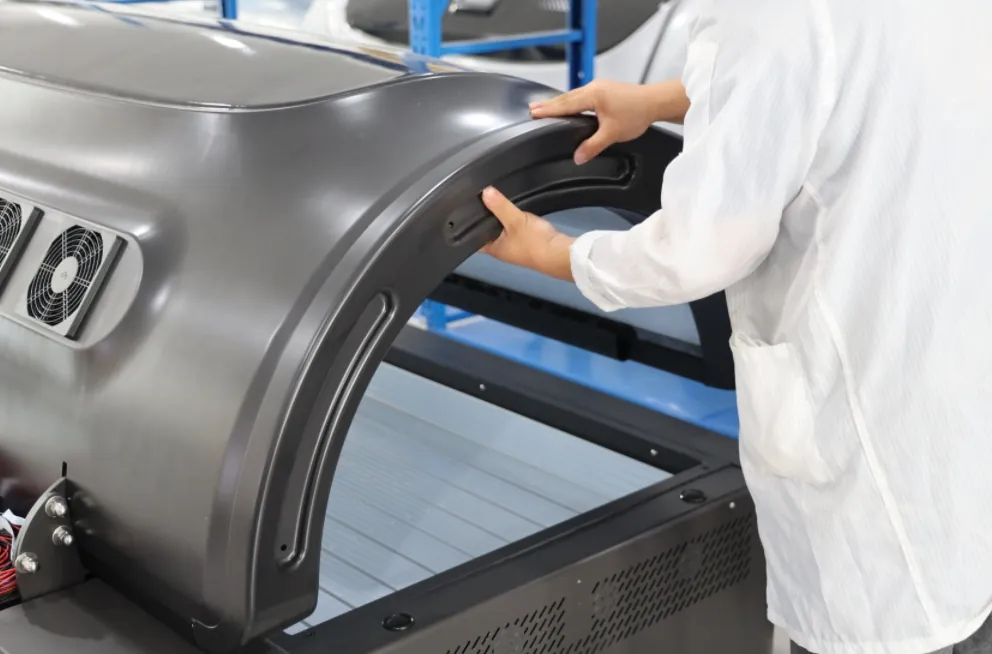
I’ll walk you through what I’ve learned on the job, with plain talk and a few solid pointers. We’ll look at where people usually go off piste, why common fixes fail, and how to choose smarter kit. Stick with me — I promise to keep the jargon light and the examples real.
Part 2 — Traditional Solution Flaws in led technologies red light therapy
led technologies red light therapy often promises easy wins, yet too many rollouts trip over the same classic faults. I’ve seen suppliers push shiny panels that look great on paper but neglect thermal design or control fidelity. That gap shows up as inconsistent dose delivery and fiddly maintenance. Look, it’s simpler than you think: when the hardware and software aren’t matched, you get drift — sessions vary, clinicians lose trust, and patients notice.
Why do these solutions fail?
First, manufacturers under-spec power converters and cooling paths to save cost. Without robust power converters and sensible heat sinks, intensity droops during long sessions. Second, control systems are sometimes an afterthought — basic timers instead of closed-loop feedback mean no correction for lamp aging or ambient changes. Third, installers skip validation steps: no baseline irradiance mapping, no firmware checks, and no logging. That means problems only show up after weeks of inconsistent therapy. I say this from having fixed enough units to know the pattern: it’s predictable and avoidable.
Part 3 — Future Outlook: Principles and practical metrics for better deployments
What’s next? We must push for smarter system principles: modular control, simple calibration routines, and transparent diagnostics. If you look at next-gen units, they use modest edge computing nodes to run local feedback loops that stabilize output in real time. Combine that with proper photobiomodulation planning — wavelength accuracy and dose tracking — and you get repeatable results. I want teams to expect these features as standard, not premium extras.
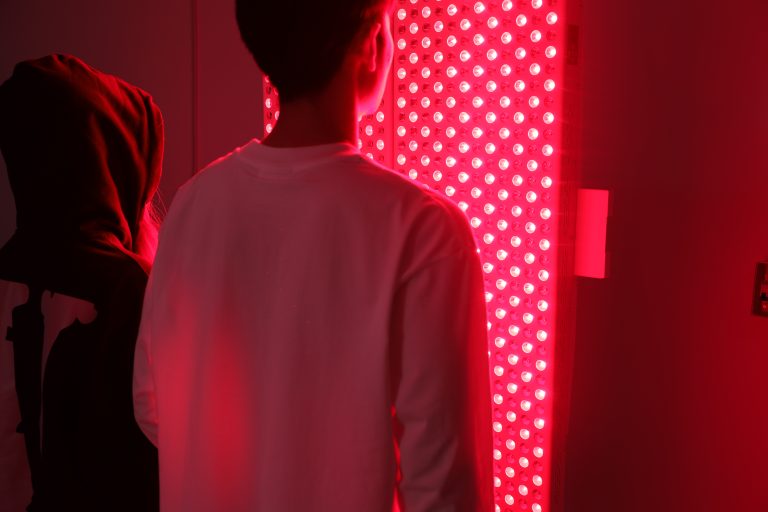
How to judge new solutions — three quick metrics
Here are three concrete evaluation metrics I use when comparing products: 1) calibration traceability — can the device show a calibration log? 2) thermal and power headroom — are power converters rated well above typical load? 3) control granularity — does it offer closed-loop intensity control rather than only timers? Rate vendors on those points and you’ll separate the pretenders from the reliable. Also — funny how that works, right? — vendors who welcome independent testing tend to be the ones who last.
I’ve been through the halting rollouts, the surprise fixes, and the moments when a simple firmware tweak made all the difference. My advice: demand clear test reports, insist on accessible servicing paths, and choose vendors who build in diagnostics. We want red light systems that are honest performers, not temperamental showpieces. For practical procurement and quality assurance, consider partners who understand both the clinic floor and the electronics behind it — like those at Magique Power.
