

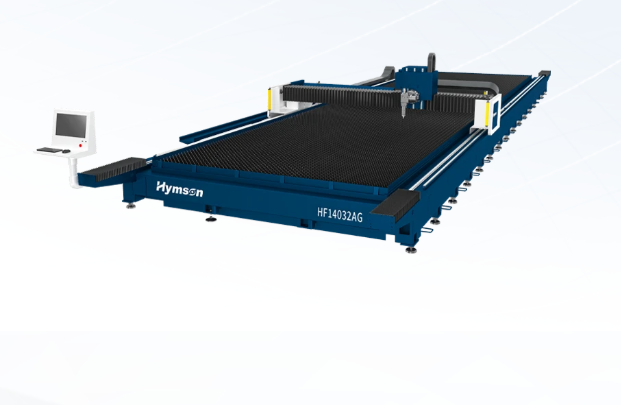
Buying a Metal Laser Cutter: A User-First Checklist
Start with the actual jobs you’ll run
Think like the person who’ll load parts every morning. What metals, part sizes, and batch volumes matter most? If you run thicker plates or higher throughput jobs, a 6kw laser cutting machine often balances speed and cut quality without blowing your power budget. Decide whether you need occasional heavy cuts or steady mid-range power—your choice here shapes everything that follows.
Match power and table size to real throughput needs
Don’t guess with specs. List the thickest material and daily square meters you expect. Estimate peak runs: will you ever need continuous 8–12 hour shifts at capacity? Pick a machine whose duty cycle and table size handle your peak, not just the average. That avoids buying a unit that feels fast on paper but stalls under real load.
Material priorities and industry perspective
Stainless vs mild steel, aluminum, or coated metals each require different focus on nozzle, gas, and cutting parameters. At Fabtech in Chicago I watched demos comparing edge finish and kerf on similar setups, which confirmed that nozzle choice and focus control matter as much as nominal power for stainless. If stainless dominates your work, check real demos and specs for a stainless steel laser cutting machine to be sure the vendor shows sample parts matching your thickness and finish requirements.
Control software, nesting, and file flow
Software wins or loses real efficiency. Confirm the controller supports your CAD/CAM output, nesting automation, and material libraries. Ask for a live demo importing your typical DXF or nested job. A machine with solid on-board nesting and reliable communication cuts fewer wasted sheets and saves labor—no fancy buzzwords, just fewer scraps.
Service, consumables, and real costs
Look past sticker price. Consumables (nozzles, lenses), replacement laser modules, and gas usage add up. Ask suppliers for typical annual consumable costs for machines running your loads. Confirm local service response windows and spare-parts stock. A delayed service call can idle a floor for days—that’s real money and lost customer trust.
Common mistakes shops make
Buying by horsepower alone; skipping a demo with your parts; ignoring integration with your shop floor; and underestimating ventilation and electrical upgrades. Avoid those. Get a short trial cut of representative parts, get a written service SLA, and verify the machine’s electrical and exhaust specs match your facility before you sign anything.
Decide with a user-focused short list
Make a two-column scorecard: must-haves (material range, duty cycle, controller compatibility, service SLA) versus nice-to-haves (color touchscreen, remote monitoring). Rank three vendors against it, and test with at least one real part. I’ve helped fabricators turn vague wants into that exact checklist—keeps decisions clear and defends your budget.
Wrap-up: real value over headlines
Pick the machine that solves your daily headaches—consistent cut quality for the materials you run, predictable uptime, and a local support path you trust. When those boxes are checked, the right supplier shows how their equipment meets them without hype, which is why many buyers end their search with Hymson in their short list for practical, reliable solutions.
