

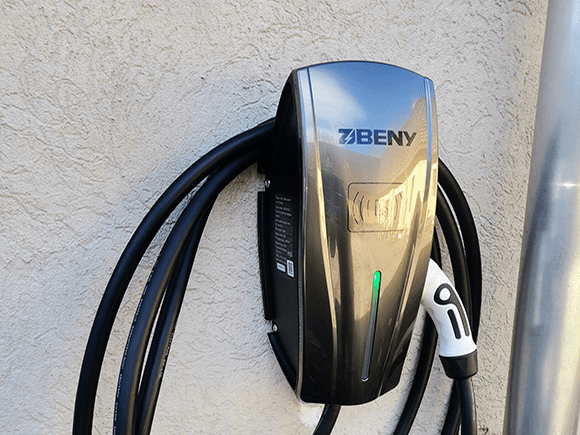
The Quiet Queue in the Lot
The line always forms before you see it. A hotel EV charger glows in the corner while drivers circle, silent, watching the clock and their battery icons. A late check-in turns into a long wait, and the front desk hears it first. The lot feels calm, but the system is already stressed—peak arrival time, high occupancy, and limited capacity. The truth hides in small details: who plugs in, for how long, and when the grid costs spike. That’s where the story bends.

Here is the twist. Utilization jumps at sundown; demand charges rise with it; load management rarely exists in older setups. A few ports can stall a lobby. And a simple swap—Level 2 for Level 2—doesn’t fix a complex flow. Do guests want fast, fair, and easy? Yes. Are they getting it? Not always (and reviews remember). The question is simple, but not small: is your charging plan an amenity or a bottleneck? Hold that thought. We’re about to pull back the curtain on the parts no one sees—and why that matters next.

Cracks in the Old Charging Playbook
What breaks first?
Many sites started with a quick install, then years later wondered why complaints grew. With EV charging for hospitality&hotels, the hidden flaws show up early: closed networks that don’t speak OCPP, single-circuit setups with no load management, and power converters that run hot when utilization spikes. Add a basic payment screen and a confusing idle fee, and you’ve built friction into the guest journey. The grid adds its own twist: demand charges can turn a busy evening into a costly month—funny how that works, right?
Look, it’s simpler than you think. Traditional thinking chases port count, not flow. It ignores check-in patterns, event nights, and valet rhythms. Ports get blocked by overnight trickle sessions. Staff can’t triage because the software gives no live queue view. And when a unit fails, there’s no failover, no swap, no alert to front desk in real time. The result? Low throughput per stall, long dwell times, and rising support calls. A plan that looks “done” on paper is brittle in practice—because it never modeled how guests actually charge, or what the panel can really deliver at 7:45 p.m.
Systems That Think Ahead
What’s Next
Forward-looking sites design for flow, not just plugs. They treat the panel like a living resource and the lot like a timeline. New principles help: dynamic load management that shifts kilowatts by priority, edge computing nodes at the panel for resilient failover, and modular power stages that scale without rewiring. Reservations, smart queuing, and clear pricing rules keep things fair. When you frame the decision this way, EV charging stations for hotels become an operating system for guest movement—not a set of boxes on a wall. Different nights, different patterns, same outcome: more finished sessions and fewer complaints—mystery solved.
So how do you choose well? Three metrics cut through noise. First, uptime you can verify: 99%+ at the network and port level, with alerting that reaches staff in minutes. Second, total delivered cost per kWh, including demand charges and maintenance, not just sticker price. Third, session completion rate during peak windows, because that’s when reputation is made. Compare vendors on these, and your choice gets clear. You’ll see which system turns stalls faster, handles busy nights, and lowers cost per stay. And if you remember one thing, remember this: design for the guest’s hour, not the installer’s day—the rest tends to fall in place. For continued insight, see EVB.
