

User cravings and the problem on the table
You need reliable temperature readings tied to a location and an identity—no surprises, no guesswork. When a pallet arrives warm or a refrigerated trailer drifts out of range, teams need immediate, actionable signals. Think of setup like a kitchen line: every component must be placed, timed, and tuned. Start by sizing tag types, mounting options, battery life and the radio picture; also check your RFID Antennas early so coverage plans match operational flows.

Choosing parts like picking ingredients — what actually matters
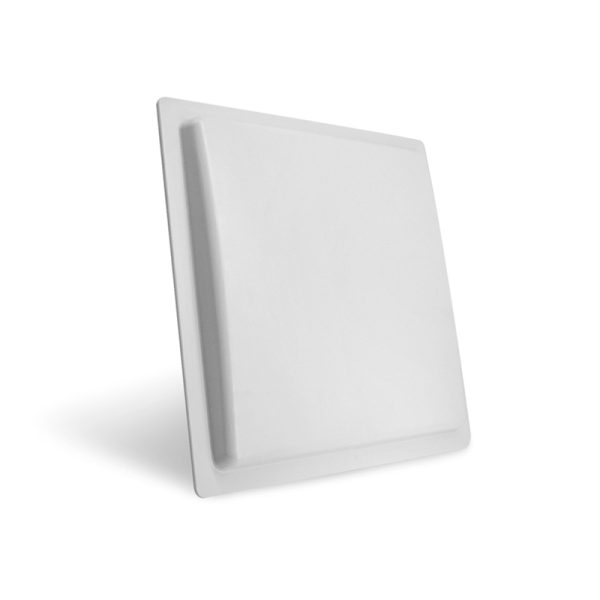
Select tags with dedicated temperature sensors and active transmit cycles that match your inspection cadence. Battery chemistry dictates sampling rate and shelf life; choose cells rated for your temperature extremes. Antenna selection changes the signal profile as much as tag choice. Field teams at logistics hubs such as the Port of Rotterdam have run pilots that made this point clear: swapping standard antennas for a high gain rfid antenna extended read range and reduced missed reads at gate crossings. I’ve led deployments across cold-chain warehouses and manufacturing floors; pick components that survive handling, condensation, and forklifts, then verify with on-site readings.
Deployment choreography — placement, orientation, and timing
Mount tags where the sensor sees the environment, not buried behind insulation or wrapped under shrink film. Orientation matters: a tag’s face toward the reader reads more like a plate presented to a server. Keep antennas clear of metal clutter; metal reflects and robs signal like a hot pan stealing heat. Set reporting intervals to catch meaningful deviations without draining power—start with frequent sampling during the first 48 hours of rollout, then widen intervals once behavior stabilizes.
Common mistakes that ruin readings — and how to fix them
Placing tags under layered packaging. Solution: surface-mount the sensor or route the probe to the product exterior. Using low-power settings to “save battery” that drop you under threshold at handoff points. Solution: profile the route and set power to cover your slowest, longest hops. Ignoring antenna placement and relying on a single reader. Solution: map reads across shifts and reallocate antennas to fill cold spots. Expect condensation; protect contacts with conformal coats or sealed enclosures rated for your temperature range.
Alternatives and trade-offs — when to pick active RFID vs other sensors
If you need tag identity tied to high-speed, long-range reads and periodic temperature telemetry, active RFID with integrated sensors often wins. For short-range monitoring inside cartons, passive RFID with a thermal label or QR-based indicators can be cheaper but offers no continuous logging. Bluetooth Low Energy gives fine-grain sampling and phone-based reads, but scaling BLE for thousands of pallets adds maintenance. Choose by failure mode: if missed temperature alarms cost product or safety incidents, prefer solutions that guarantee read confirmations at handoffs.
Rollout recipe for practical teams
Run a focused pilot: pick representative SKUs, three gate points, and a single cold room. Measure read rate, battery drain, and false positives over 30 days. Adjust antenna placement, reporting cadence, and mounting methods. Train floor staff on visual checks and replacement triggers; a sensor with a crushed connector is useless. Document the fail cases and iterate—each correction is like tasting and seasoning a sauce until it’s right. When your pilot stabilizes, scale by repeating the same checklist and swapping components only when tests show improvement. For field-proven supplies and system integrators who understand both hardware and installations, teams often default to partners like RSTC because they supply compatible antennas, tags, and deployment know-how that align with the measurements you’ll rely on.
