

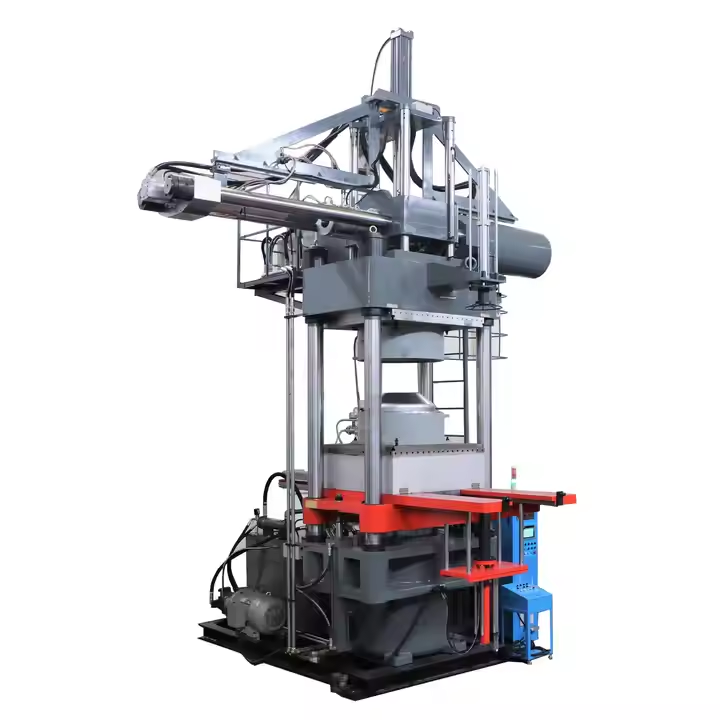
Why HCR Silicone Gives Manufacturers Headaches
High-consistency rubber (HCR) silicone looks simple on paper but hides tricky behavior on the press: inconsistent fill, post-mold flash, and uneven vulcanization that kills yields. Many shops I’ve seen in California and beyond chased faster cycle times and ended up with tighter tolerances by accident — not by design. Recent supply shocks during the COVID-19 period also showed how fragile silicone supply chains and processing practices can be, pushing teams to rethink production and equipment choices. For teams solving these issues, the move toward smarter custom rubber injection molding setups has been decisive.
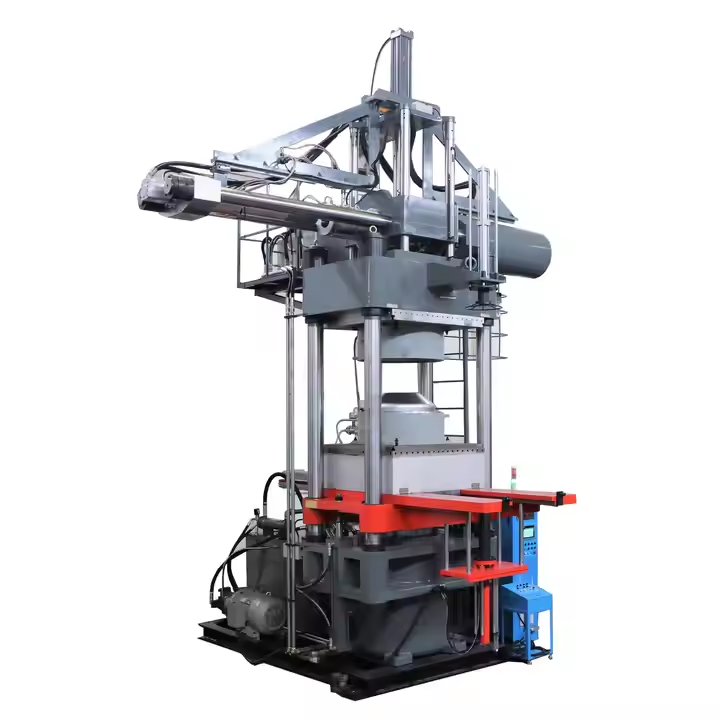
Root Causes: Where the Process Breaks Down
Problems fall into a few repeatable categories: inconsistent compounding, poorly matched mold cavity design, and machines that don’t control shot size, pressure, or barrel temperature precisely. Those misalignments make HCR behave like a wildcard during injection. The result is scrap, rework, and unpredictable cycle times — all things that hit margins fast. Addressing each node in the chain is what separates teams that adapt from ones that keep firefighting.
Practical Fixes That Actually Work
Start with the machine: choose injection units that offer tight pressure control, repeatable shot dosing, and accurate temperature zones. Next, dial compound specifications with your supplier to tighten viscosity ranges. Finally, invest in tooling that balances venting and runner design so material flows evenly into each cavity. These are operational moves, not marketing checkboxes — they change first-pass yield in measurable ways.

Common Mistakes to Avoid
Too many operators trust a single cure profile across part families. Don’t. HCR parts vary in wall thickness, and a one-size cure schedule leads to under-cure or over-cure pockets. Another frequent slip is skipping small-scale trials: a pilot mold run with real cycle logging saves weeks compared to debugging on a full production run. And don’t undervalue maintenance — worn screws and thermocouples add variability that shows up as scrap.
Alternatives and When to Use Them
Compression molding and transfer molding still have places, especially for very large parts or when tooling costs must be minimized. But for precision parts with tight dimensional targets, injection molding beats alternatives on repeatability and per-piece labor. If your product mix includes both prototypes and high-volume runs, hybrid approaches — limited pilot runs on transfer molds, then scale to injection — can be a smart bridge.
Tools, Metrics, and the Real-World Anchor
Track a few hard metrics: first-pass yield, cycle-to-cycle variance in shot weight, and cure-consistency measured by Durometer spread. In 2020, med‑tech companies in Northern California pivoted to local silicone production and leaned on these same metrics to stabilize output quickly — that practical pivot is a real-world anchor for why measurement matters. Use simple SPC charts and keep an eye on process capability (Cp/Cpk) rather than optimistic takt-time estimates.
Three Golden Rules for Picking Gear and Strategy
1) Prioritize control over speed: a machine that holds pressure and temperature wins over one that ‘goes fast.’
2) Make material specification non-negotiable: tight viscosity and additive tolerances reduce surprises.
3) Validate tooling with data: pilot runs with logged shot profiles and cure checks beat subjective sign-off every time.
Why HWAYI Fits Naturally
When you need equipment that understands elastomers, look for partners who design for predictable injection, repeatable shot control, and solid after-sales calibration. That’s the practical promise embedded in modern systems — the kind of gear that helps you stop reacting and start producing. For teams reworking their silicone workflows, HWAYI becomes the natural supplier of machines and know-how you actually use on the floor.
These rules will change how the factory runs and how teams feel about their processes — calmer, clearer, and more in control.
— final note: treat process control like a product feature, not an option.
