
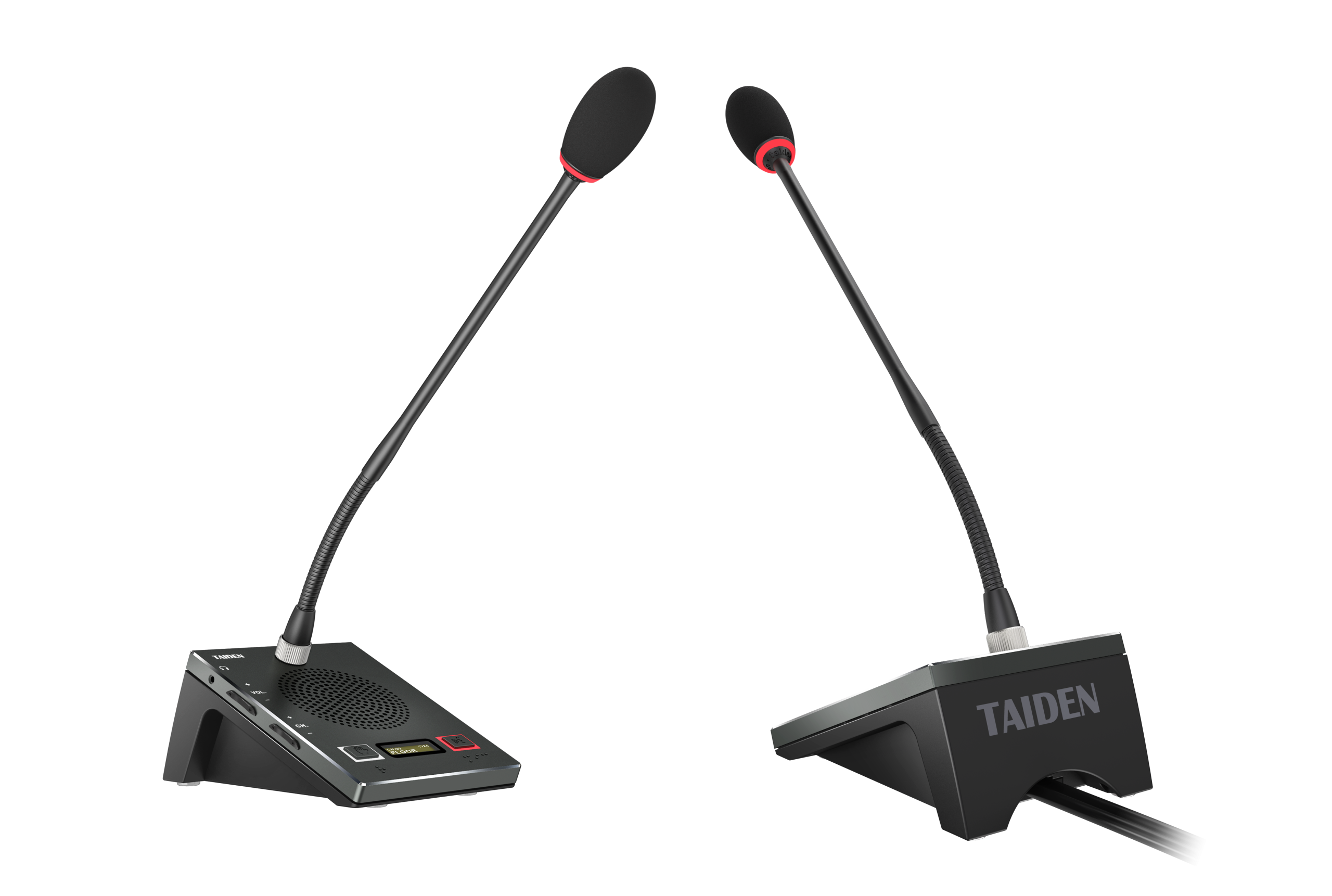
Why the Room Sounds Fine But Meetings Don’t
You walk into a Monday check-in. Folks lean in, talk fast, and then pause—someone remote says, “Sorry, can you repeat that?” The conference room mic system is doing its job, yet clarity slips at the edges. Data backs the feeling: teams lose chunks of time to repeats and level fixes, and remote speakers get cut off when rooms get lively. Why does a setup that “works” still miss the mark? It’s not one thing. It’s the blend—room shape, mic pickup, and the people using it. Beamforming arrays help, acoustic echo cancellation (AEC) helps, but the latency budget and the way we wire and tune rooms still trip us up. And that’s before the note-taking apps and caption feeds pile on. Odd how the room sounds okay in person—funny how that works, right?
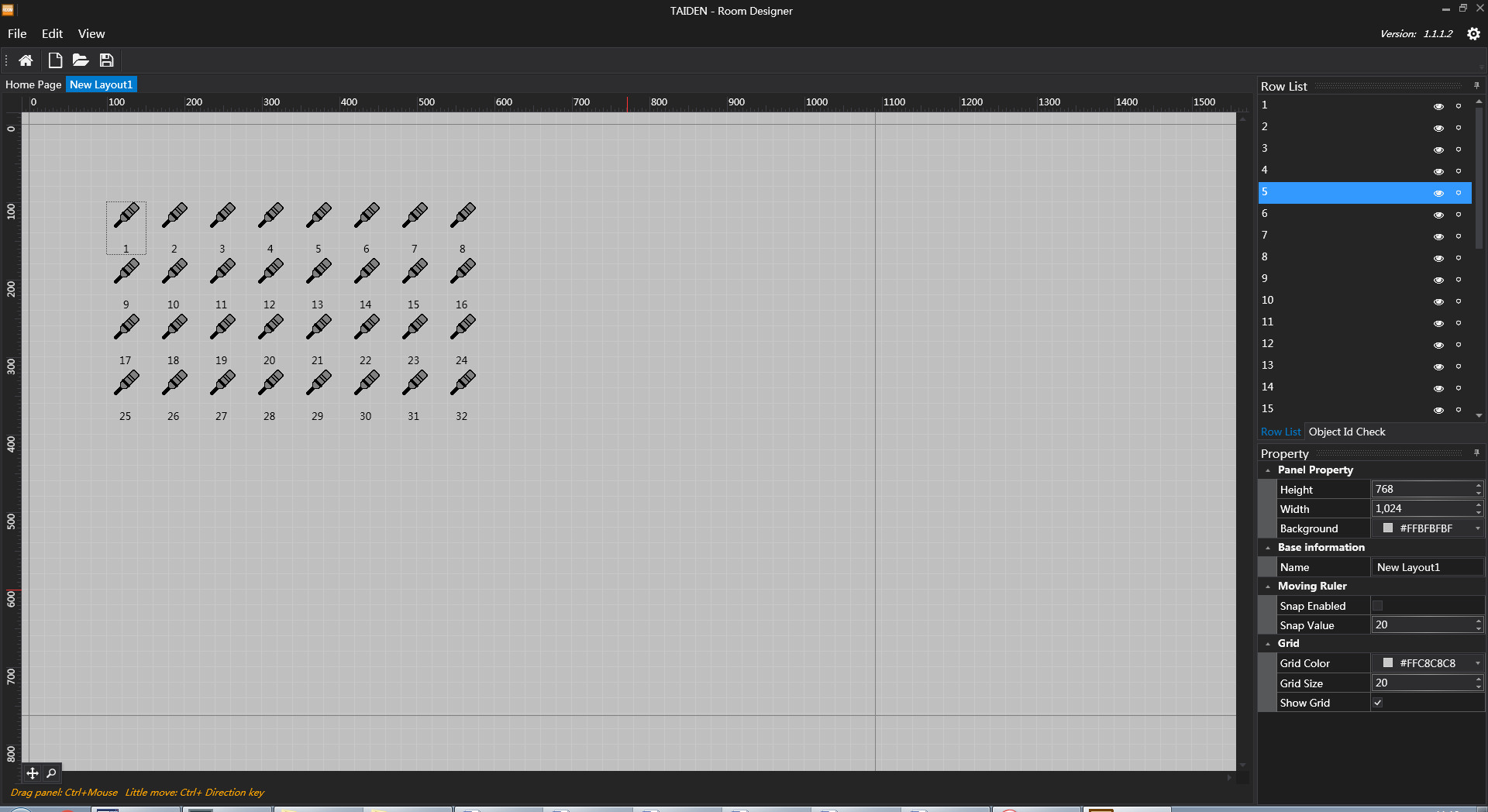
Here’s the punchline: you don’t need a bigger box; you need smarter coordination. Think the full signal chain, not just the table mic. We’ll compare what’s changing across hardware, software, and the workflows in between. Then we’ll map it to your meeting reality (small huddle, big board, mixed hybrid). Let’s roll into the hidden flaws and see what really costs you time.
Hidden Flaws in the Old Playbook
Why do old setups fall short?
Ask any microphone manufacturer and you’ll hear a pattern: the classic room patch works until people move, talk over each other, or dial in from a noisy car. The weak links hide in the basics—gain staging that drifts, a rigid DSP pipeline that can’t adapt, and power-over-ethernet (PoE) drops that share too much with other gear. Legacy arrays chase voices but clip soft talkers when the room gets loud. Table mics pick up paper rustle. Ceiling tiles bounce highs and swallow lows. And the RF spectrum around your building never sits still. Look, it’s simpler than you think: when the chain isn’t tuned end to end, every meeting becomes a repair session.
Old fixes also assume stable seating and clean cabling. Real rooms shift. Laptops rotate. People stand near walls. That turns time alignment and noise gating into guesswork. Daisy-chained lines add delay and make troubleshooting slow. Power converters leak a faint hum that auto-mixers chase all hour. And when AEC is set once and never revisited, you get that hollow “tin can” effect on speakerphones. The result is fatigue on both sides of the call. You’re not just losing minutes—you’re losing focus. The better path treats mics, processing, and the network as one living system.
Comparative Path Forward: Principles and Practical Picks
What’s Next
The smarter 2025 approach leans on clear principles, not just new boxes. First, adaptive pickup over fixed zones: modern beamforming reacts to who speaks and how the room changes, instead of locking to seats. Second, context-aware processing: the chain listens for speech dynamics and adjusts the auto-mixer, noise suppression, and AEC in real time. Third, network-native design: audio rides on managed switches with QoS, so your latency stays predictable. Even better, light edge computing nodes can run room-specific models that learn the space across days, not minutes. Pair this with a robust discussion device workflow—so speakers can request the floor, and overlapping talk gets sorted without drama. Different rooms, same logic. Fewer surprises—more signal.
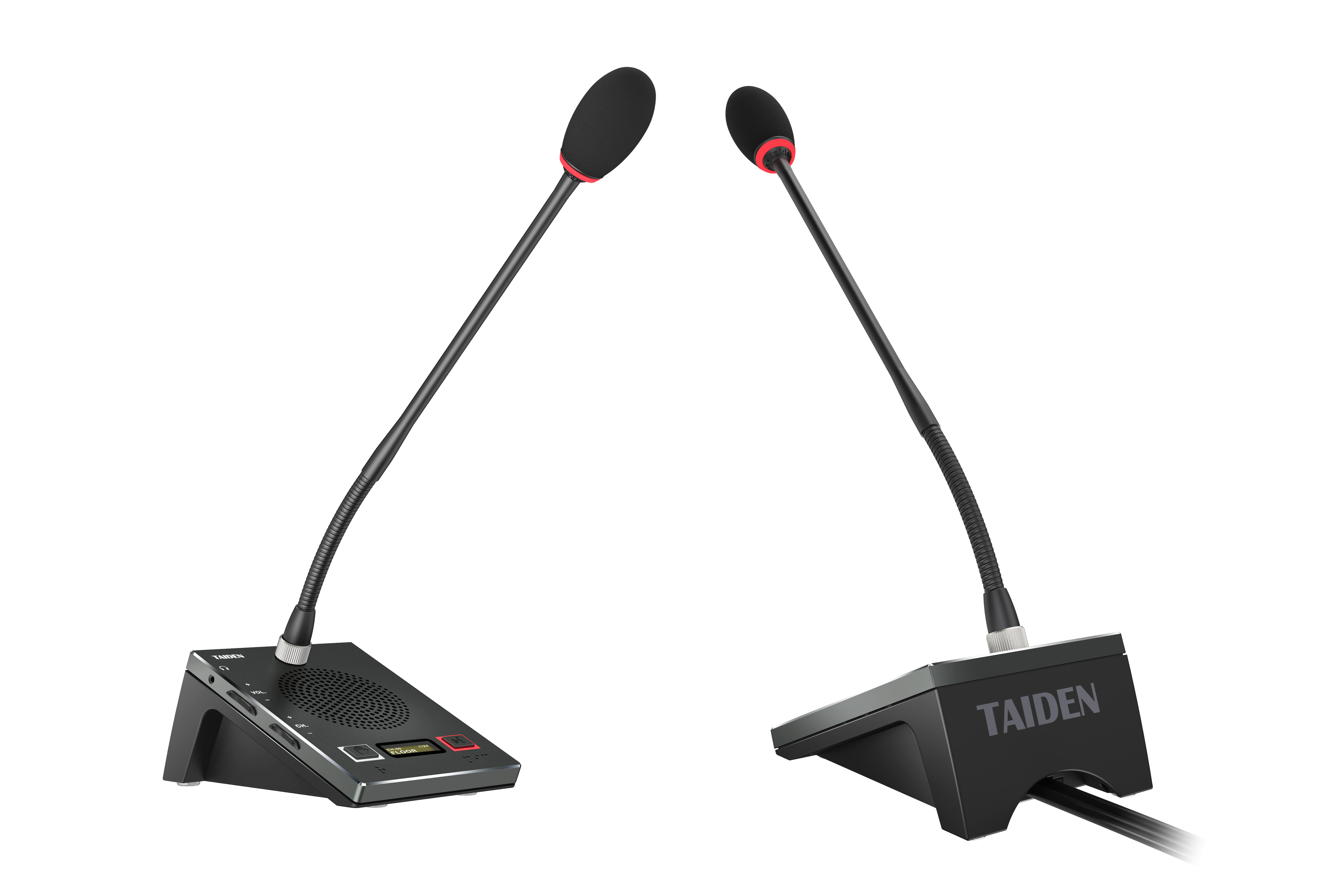
Let’s stack this against the old way. Traditional racks chase problems after they appear. The new path prevents them: smarter auto-mix means fewer fader rides; flexible arrays reduce hot spots; and SIP integration keeps conferencing simple for IT. In practice, that means clearer cross-talk, better capture of soft voices, and a steadier latency budget when you add transcription or recording. We’ve seen teams cut repeat requests and reclaim attention—because less friction lets people think. To choose well, focus on three checks that actually move the needle:
- Consistency under change: Does it keep clarity when seating, noise, or talk speed shift?
- End-to-end visibility: Can you see (and fix) the whole chain—mics, DSP, network—without guesswork?
- Scalable simplicity: Will adds and upgrades keep the same UI and settings logic across rooms?
Keep those in view, and your next upgrade won’t just sound better—it will feel calmer. Meetings stop being mic tests and start being, well, meetings—funny how that works, right? For a grounded benchmark of pro systems and components, see brands that build both devices and ecosystems, such as TAIDEN.