
Why a framework outperforms product hype
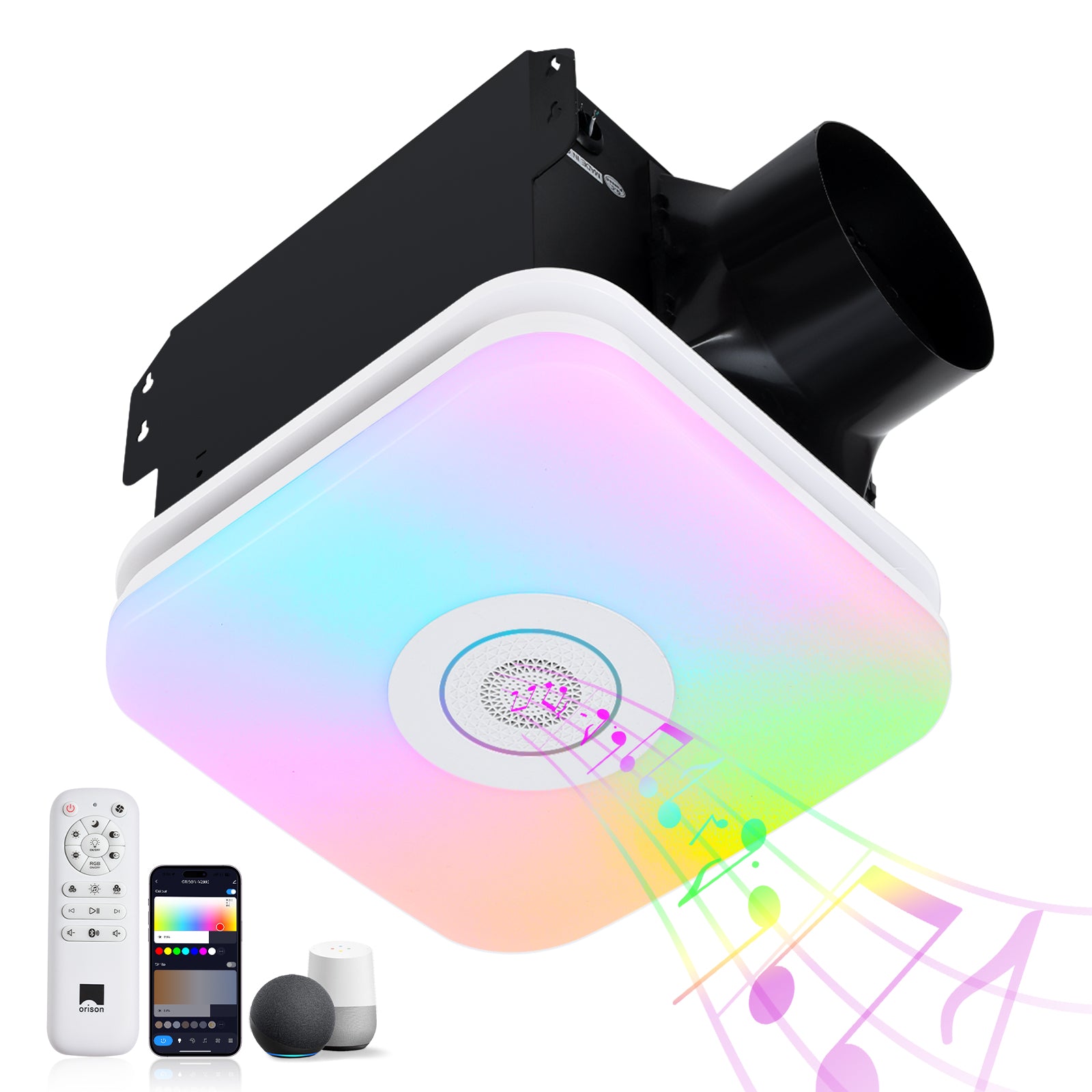
If you’re upgrading a condo bathroom or spec’ing units for a multi‑family retrofit, you need a repeatable way to judge build quality — not another glossy spec sheet. Start by treating the device as three systems: airflow, enclosure/fit, and controls. That keeps conversations away from marketing fluff and into measurable territory. For example, take a look at a typical bathroom exhaust fan with light to see how a single model combines CFM performance, lighting, and mounting design into one product decision.
Core build-quality pillars
Break evaluation into four repeatable pillars: airflow performance, acoustic performance, mechanical durability, and electrical/smart integration. Airflow—measured in CFM—is the primary functional metric. Acoustic performance is captured by sone ratings and real-world noise under load. Mechanical durability covers housing materials, grille design, and fastener robustness. Electrical and integration looks at driver type (ECM vs. PSC), IP or ingress standards, and whether the control electronics play nicely with smart hubs or line-voltage dimmers.
How to test each pillar in the field
Practical tests beat assumptions. For airflow, measure with a vane anemometer at the grille and compare to rated CFM; expect some drop with long ducting. For acoustics, listen at normal use distance and note tonal characteristics — a 2.0 sone motor sounds very different from a whiney 3.5 sone unit. Mechanical checks include flexing the grille, inspecting mounting brackets, and checking screw access for maintenance. For electrical/smart tests, confirm compatibility with dimmers and test pairing latency if there’s Bluetooth. A proper unit will still perform after a month of daily cycles — if it fails, you’ve learned enough to demand better warranty terms.
Smart features: integration vs. gimmick
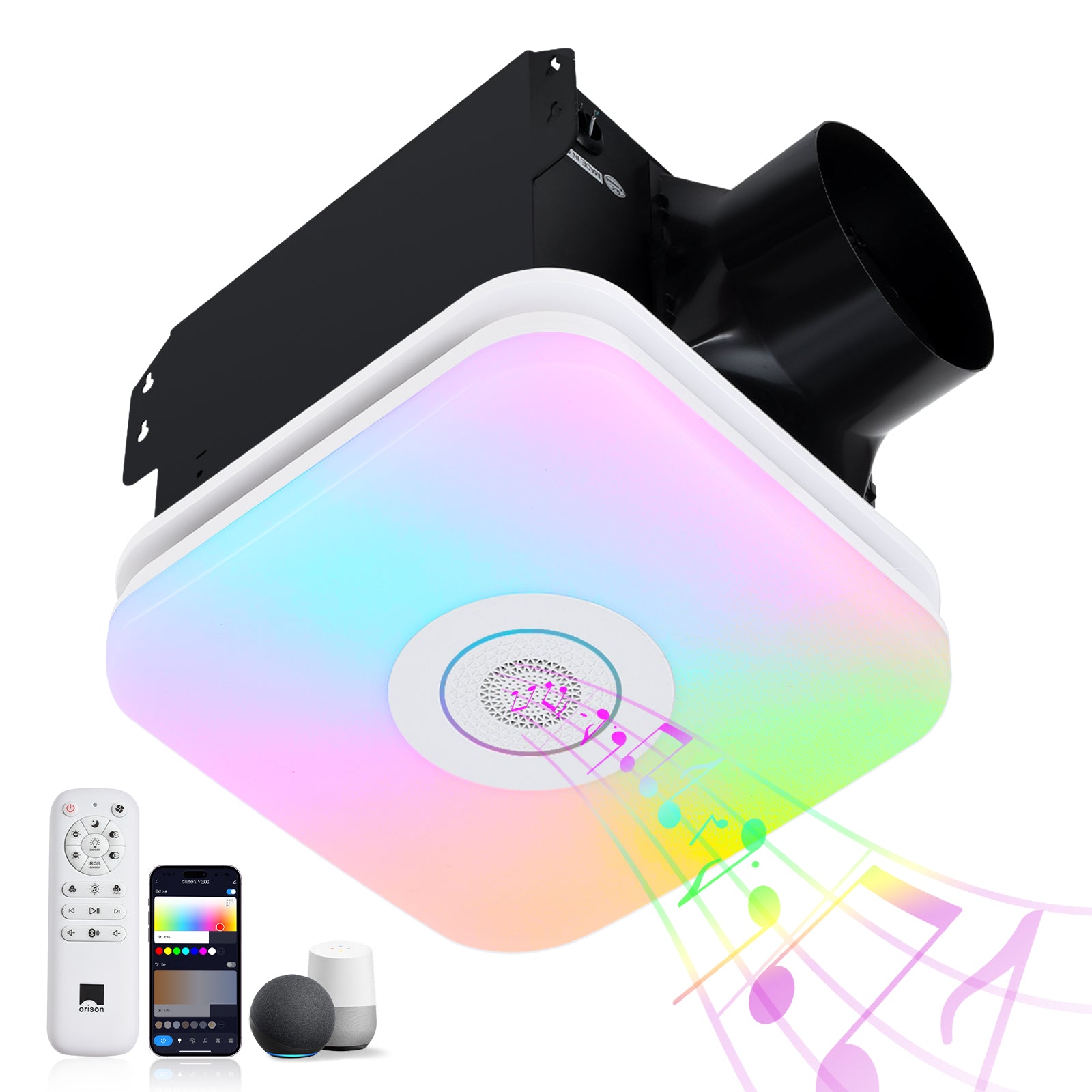
Smart integration is a legitimate differentiator when done right. Look for robust firmware update paths, isolated power for the motor, and standards-based interfaces (Zigbee, Z‑Wave, Bluetooth LE) where applicable. If a fan advertises integrated audio, test for electromagnetic interference and how the speaker affects enclosure vibrations—because you don’t want bass amplifying rattle on ceramic tiles. A well-engineered model like the bathroom exhaust fan with light and bluetooth speaker can streamline installation and reduce the need for separate devices — though the devil’s in the mounting detail and wiring plan.
Installation realities and the common mistakes
Installers (and DIYers) trip up on three repeat offenders: undersized ducting, improper backdraft dampers, and sloppy electrical connections. Undersized ducting kills CFM and raises noise. Forgetting a backdraft damper invites cold drafts and odor cycling. And wire‑nutting smart modules into switched loops without labeling creates maintenance headaches later — ask any Boston electrician, they’ll nod. — Also, verify required clearances in retrofit soffits; cramped housings accelerate motor wear.
Field anchoring: codes, standards, and a quick real-world note
Don’t ignore standards. ASHRAE 62.2 and local building codes set performance and ventilation expectations for residential spaces — use them as baseline requirements, not negotiable suggestions. Real‑world anchor: many commercial‑grade models list 110 CFM as a common rating for larger bathrooms; confirming that against your duct layout prevents surprises at inspection. When in doubt, consult the installer’s test report and demand an on‑site cfm verification after run‑in.
Checklist: what to require from a supplier
Before you buy, get these documented and signed: rated CFM and sone test reports, mounting and clearances guide, motor type and expected lifetime, IP or ingress rating for moist environments, and firmware/update policy for smart features. If a supplier can’t provide those, treat claims of “commercial‑grade” with suspicion — durability’s a paper trail as much as it is hardware.
Three golden rules for final selection
1) Validate performance under installation conditions: ask for or perform in-situ CFM and sone measurements. 2) Prioritize serviceability and modularity: replaceable motors, accessible wiring, and standard duct adapters save money long term. 3) Demand clear smart‑integration specs: certification for the ecosystem you use, and a firmware update path.
Use this framework to compare models objectively, and you’ll find brands that actually solve operational problems — not just sell features. For many smart‑home pros and property managers, that reliability is precisely why they pick solutions from trusted manufacturers — and why considering installation, code, and usability together points you toward a single practical choice. Orison. —