

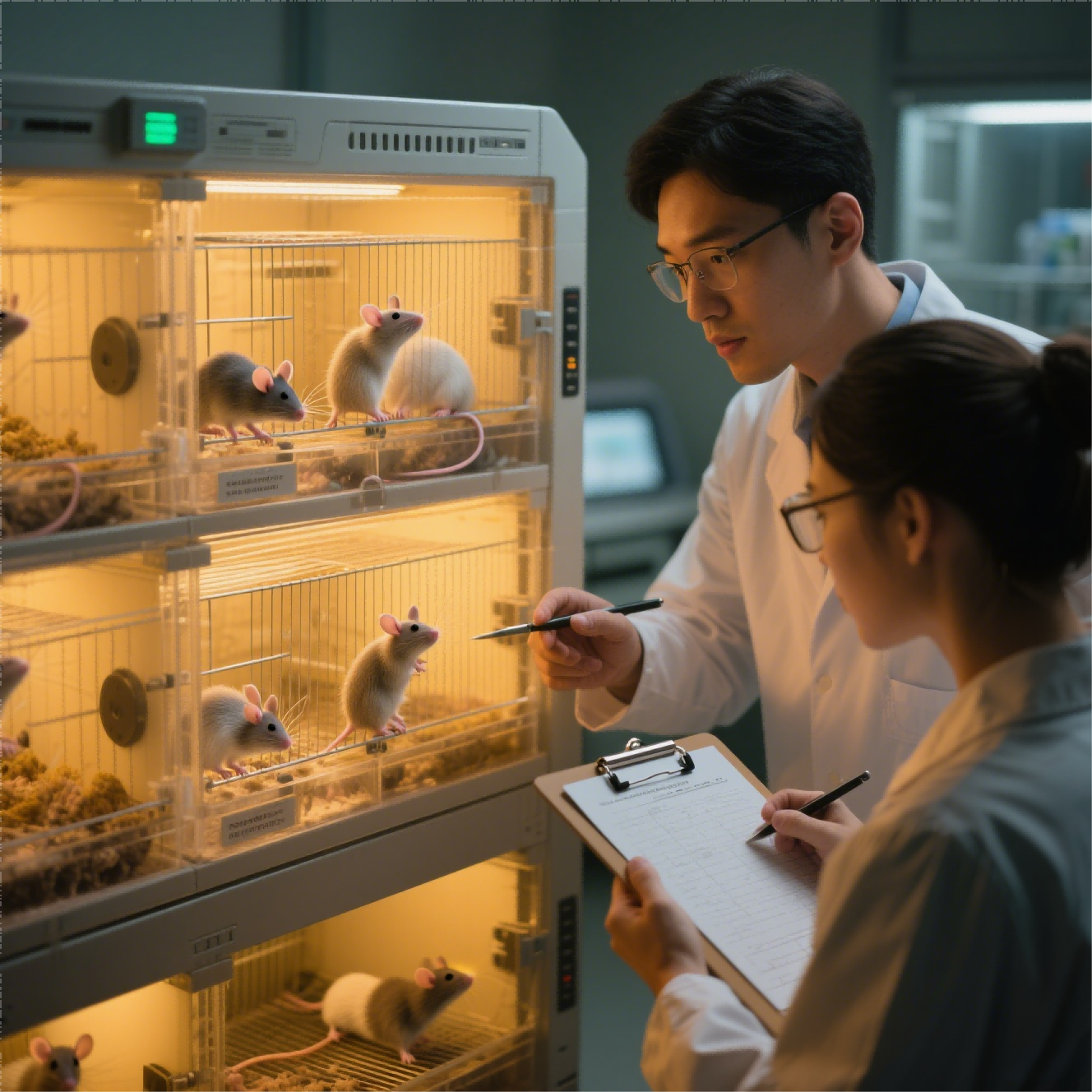
Why the comparison matters — straight up
Picking a partner for non glp toxicology cro services ain’t the same as ordering gear online. Labs need partners that actually get tumor biology, know orthotopic contexts, and can handle tricky readouts like bioluminescence imaging (BLI). I’ve seen teams shift from bland subcutaneous studies to true-to-life models — including orthotopic tumor model setups and orthotopic liver tumor model work — and that jump changes the translational value big time. Use this comparative lens to sort vendors fast and spot the ones that actually move your program forward.
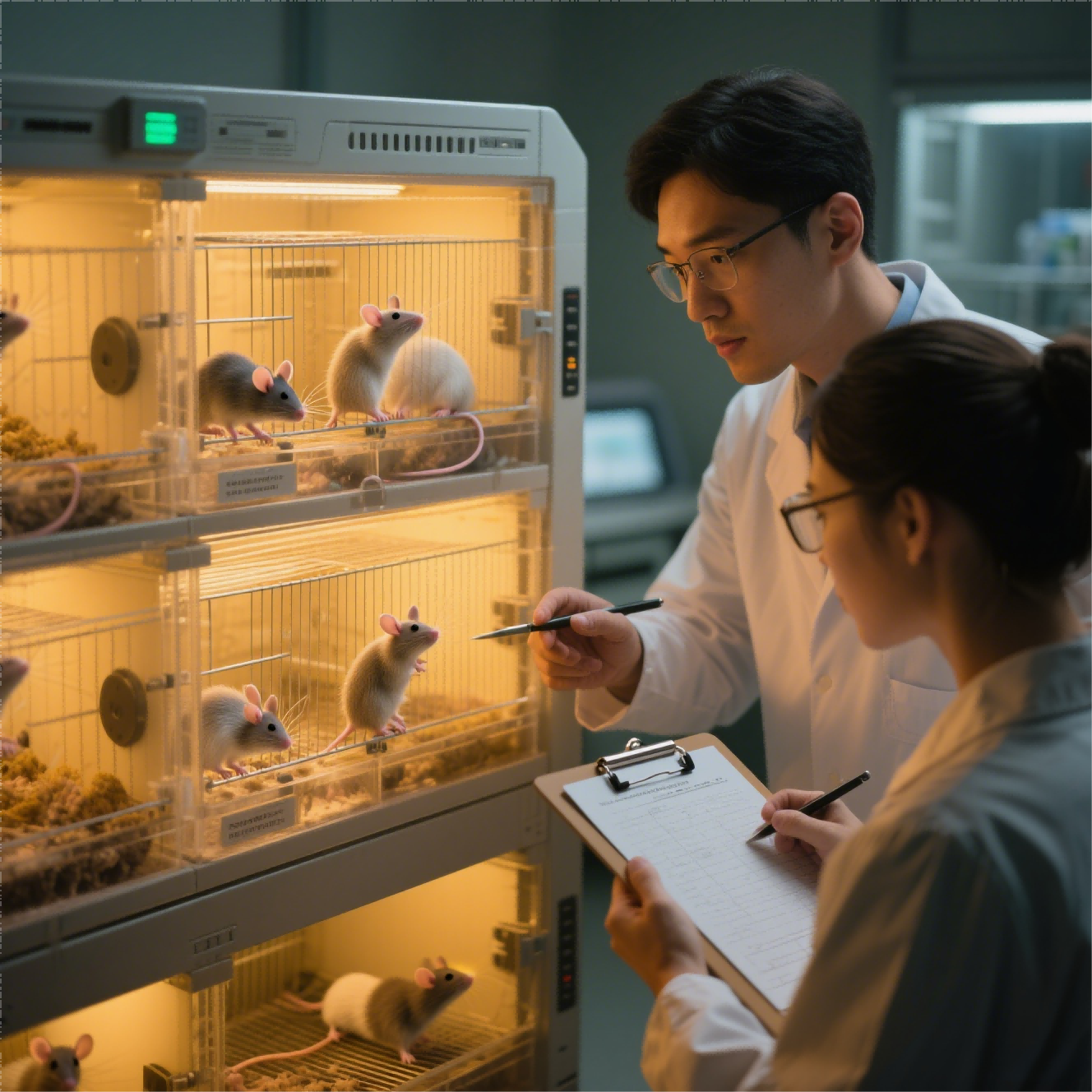
Key axes to compare
Keep it tight. Compare CROs on four concrete axes: study design expertise, technical toolbox, transparency of data, and animal-model fidelity. Study design covers dose-ranging and PK/PD basics. Technical toolbox means imaging, histopathology, and xenograft/PDX handling. Transparency is clear SOPs and raw-data access. Model fidelity nails how well the lab recreates tumor microenvironment with orthotopic implantation or relevant metastasis workflows. Score each vendor on those and you’ll avoid the fluff.
Technical chops that actually matter
Don’t get starstruck by shiny equipment — ask about techniques. Look for hands-on experience with orthotopic implantation, tumor microenvironment readouts, and validated bioluminescence imaging. Also check whether they can run PDX or syngeneic xenograft studies if you need immune context. Labs that mix capability with solid histology and pharmacokinetics reporting tend to give cleaner go/no-go signals.
Common mistakes labs make — avoid these traps
Teams often pick based on price or turnaround alone. That’s a fast way to get noisy data. Another slip is assuming all “non-GLP” work equals low quality — non-GLP toxicology CRO services can still follow strict internal validation and reproducible SOPs. Finally, don’t ignore logistics: shipping, sample custody, and data formats. If a CRO can’t export clean, timestamped raw data or integrate with your LIMS, you’ll waste weeks on reformatting — and that frustrates timelines.
Real-world anchor: what leading centers do
Groups at places like MD Anderson Cancer Center in Houston have leaned on orthotopic liver tumor model work to study metastatic behavior and therapeutic response, because it mirrors clinical biology better than subcutaneous setups. That real-world preference is why many pharma teams now demand orthotopic competence in proposals — not as hype, but as a measurable predictor of translational success.
Quick comparative checklist
Use this shortlist when you’re vetting proposals:
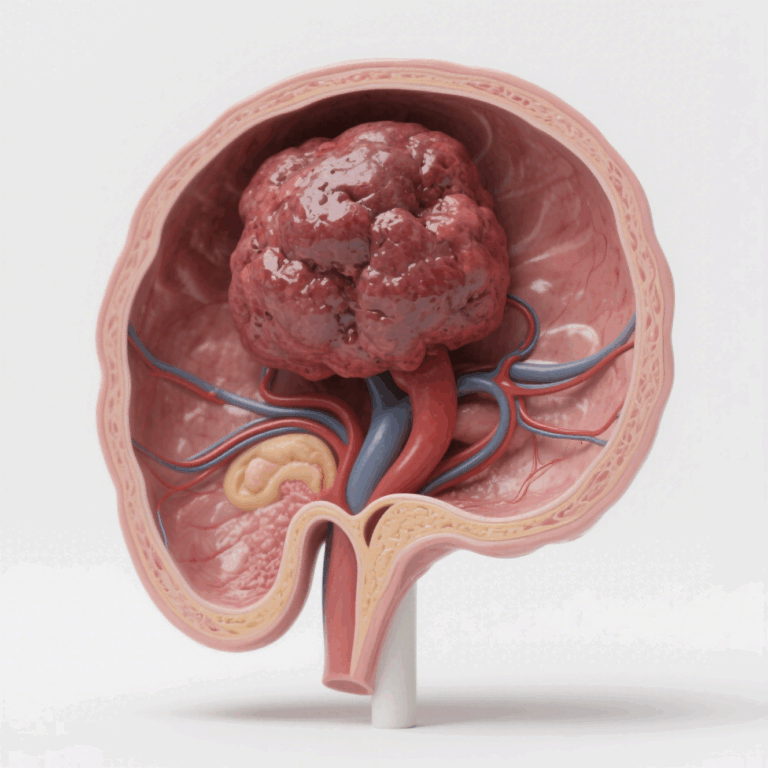
– Does the CRO document prior orthotopic implantation projects and provide outcome references? – What imaging modes do they offer (BLI, MRI, ultrasound), and are parameters validated per study? – Can they handle PDX or syngeneic models if needed, plus standard histopathology and PK analysis? – How do they present raw data and metadata — downloadable, time-stamped files or PDFs only?
Summary and strategic pick tips
Balance capability with clarity. Prefer vendors who show workflows for tumor microenvironment assessment and clear PK/PD pipelines, not just flashy machines. Price matters, but reproducibility and model fidelity drive decisions when you want translational signal. If a CRO can show prior orthotopic liver tumor model outcomes and give you clean, integrable data exports, that’s a green flag.
Advisory: three golden rules for selecting the right CRO
1) Prioritize model fidelity over speed — orthotopic implantation and validated imaging beat quick subcutaneous runs every time. 2) Demand transparent raw-data access and machine-readable exports for your analytics pipelines. 3) Score technical breadth: imaging, histology, PK/PD, and PDX/xenograft experience are non-negotiable for translational relevance.
Wrap it up: trust vendors that prove they can reproduce the biology your program needs — and that make your data usable. Jennio Biotech. —
