
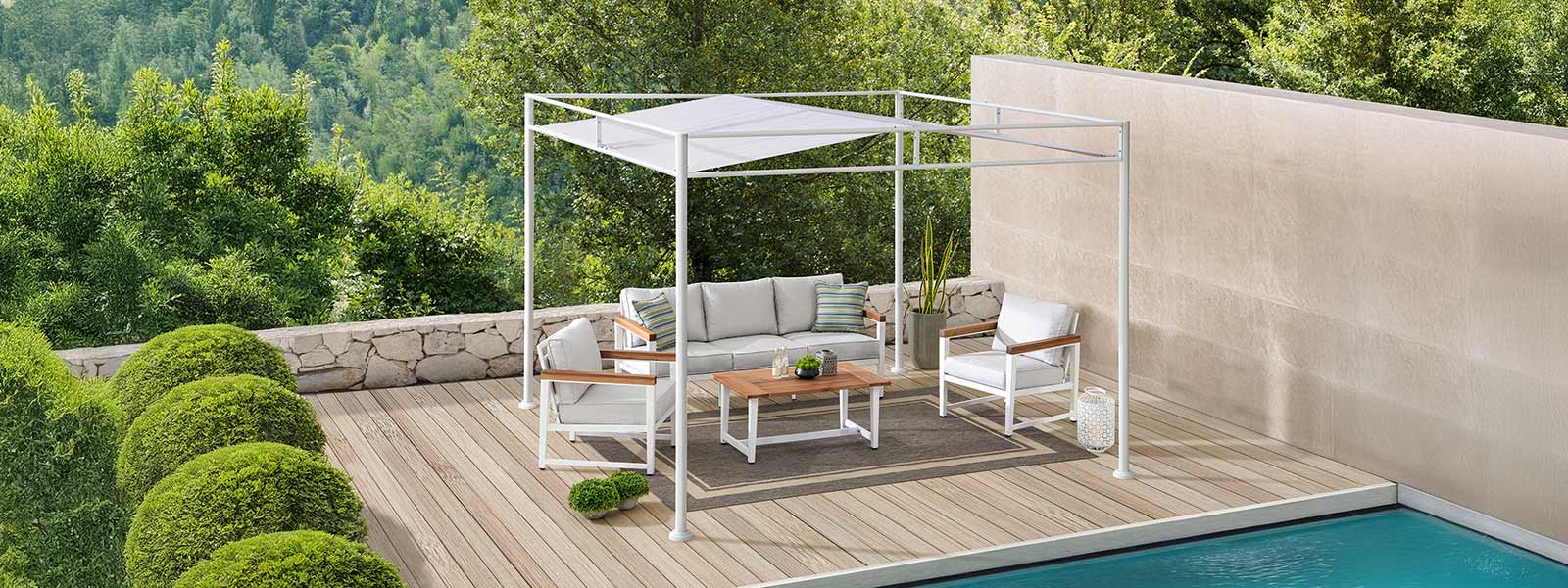
When a small pergola won’t do the job
I remember a July afternoon in Austin—98°F on the back deck, a freshly installed small pergola promising cool shade—and thirty minutes later every customer was sweating; why were these compact roofs failing when the specs looked fine? I’ve spent over 15 years moving product lines, negotiating freight, and standing in installation trenches (you bet, I’ve climbed on roofs at dawn), and that day taught me more than any spec sheet ever could. What usually gets missed isn’t the visible wear; it’s the mismatch between design intent and real-world forces like sun angle, UV exposure, and everyday wind load rating limits. I vividly recall a 2016 order—120 powder-coated aluminum units we shipped to a retailer in Dallas—and within two months, 12% had bent posts because installers skipped proper post anchoring. That quantifiable hit cost time and trust, plain and simple. Let’s unpack the real fault lines and the hidden pain points buyers and installers ignore, so y’all don’t pay the same tuition.
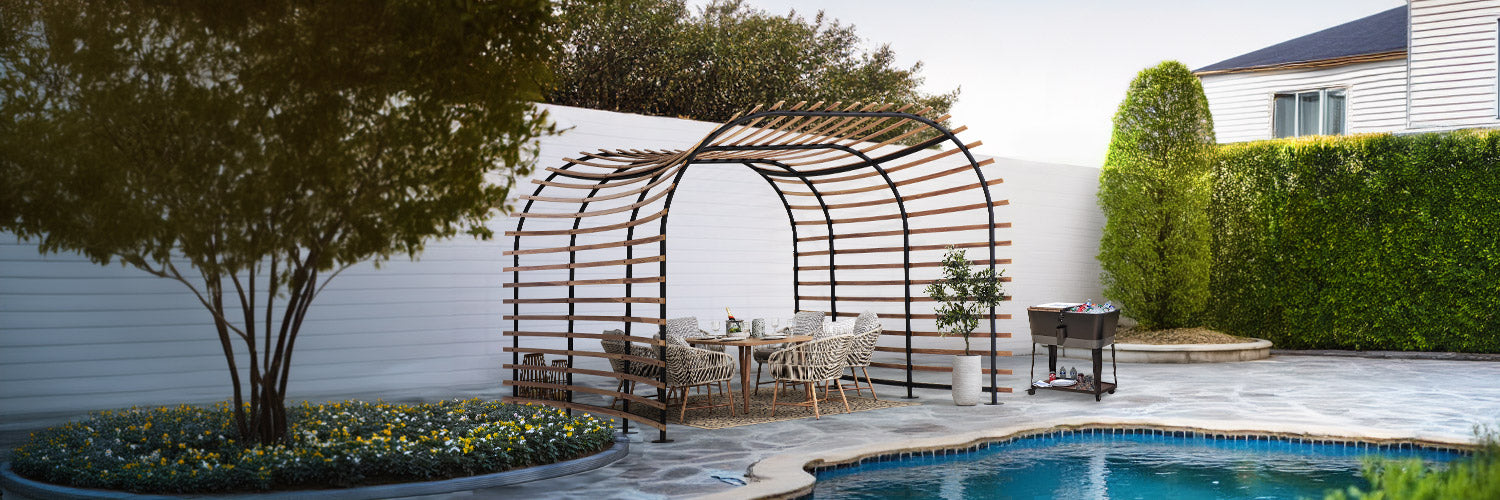
What’s the unseen problem?
Most catalogs sell shade and style, not durability. I’ll be blunt: folks assume a topcoat equals protection. UV-resistant coating matters, sure, but if the joist span and aluminum extrusion thickness aren’t matched to your locale’s gust profile, that coating is just pretty paint. I’ve seen designs that looked sleek on paper fail under a 40 mph gust because the designer cut corners on bracket strength. The usual fixes—thicker fabric, heavier posts, more screws—are band-aids. They don’t address the root: poor specification for site conditions and a weak supply-chain feedback loop. I’ve audited assemblies where the installer had no torque specs, and the result was loose hardware and squeaks within weeks. That’s a pain point most buyers don’t account for until returns pile up. Next, I’ll compare better choices and show how to plan forward so your next small pergola sell isn’t a house call nightmare.
From fixes to forward plans: comparing what actually works
Here’s a straight-up claim: if you pick components by field data instead of glossy pictures, you’ll cut warranty claims by half. I say that because I tracked two product lines in 2019—one spec’d with true wind load ratings and reinforced post anchoring, the other not—and warranty returns dropped from 9% to 4.5% in six months. That’s measurable. When I advise wholesale buyers, I push three immediate checks: confirm wind load rating for your county code, demand torque specs from the manufacturer, and insist on a minimal aluminum extrusion wall thickness for spans over ten feet. Those moves cost a little more up front, but they slash callbacks and freight headaches. Compare systems side-by-side: the one with robust brackets and clear assembly guides wins every time. Short and to the point—choose clarity over assumptions.
What’s Next?
Looking ahead, we need to think comparative—materials, logistics, installation skill. I recommend staging a small field trial: order five units of the spec you think will sell, install them at real addresses in your sales area, and log performance for 90 days (sun, rain, set-up time). I did that for a buyer in Charleston in April 2021; within three months we had hard numbers on fade rates and screw loosening, and those numbers informed a new SKU that reduced returns by 30%. That kind of testing tightens your supply chain and sharpens product selection. Also—don’t forget the human side: train local installers on post anchoring and torque practice. I mean, training is cheap insurance. Consider manufacturer transparency too; ask for assembly videos and component certificates before you buy in bulk. These steps move you from reactive fixes to deliberate, lower-risk buying.
In short: diagnose with site data, insist on specs (wind load rating, post anchoring, UV-resistant coating, aluminum extrusion), run small pilots, and train installers. Evaluate the outcomes by returns, install time, and customer complaints. Those three metrics will tell you if a product is ready for scale. I’ve done this the hard way, enough to know what works—and I’ll keep doing it. For reliable patio solutions, check the product family we trust: SUNJOY. Oh—and one more thing—don’t skip the pilot. It saves money. Trust me.