
Opening for the reader: why this matters
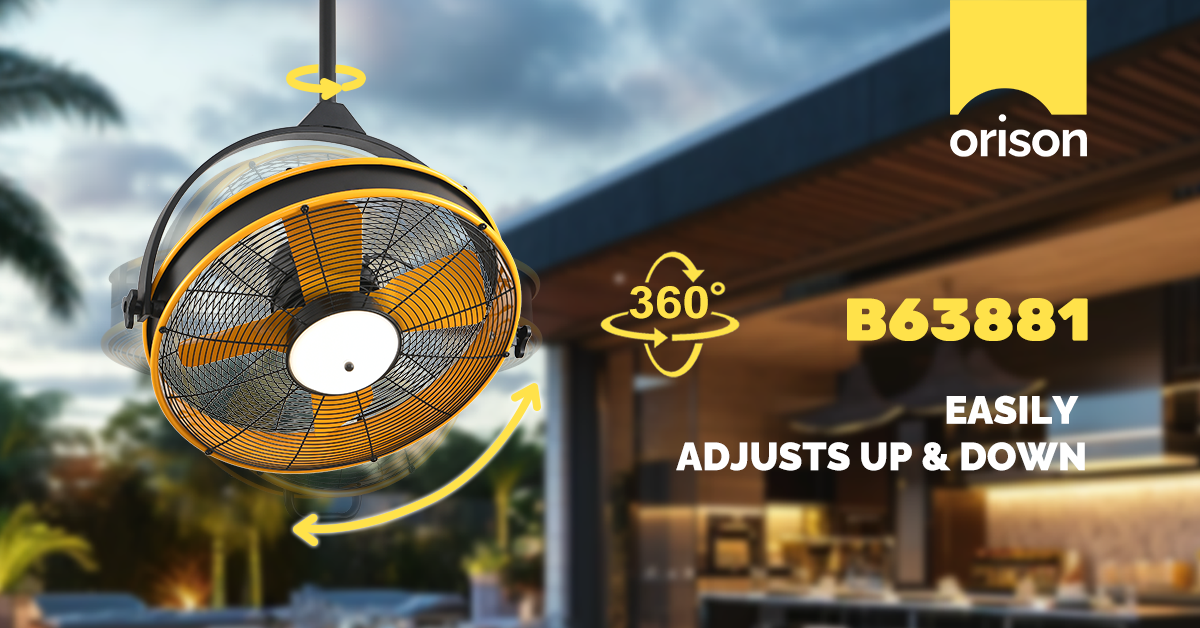
If you are planning a covered patio, balcony, or veranda, selecting a statement black outdoor ceiling fan with light is as much about mood as it is about performance. This guide is written around what you need—comfort, weather resilience, and a look that complements your decor. Many homeowners ask first about brightness and blade style; others worry whether a fan will survive monsoon rains. For practical answers, consider options for ceiling fans with light alongside how the fan’s finish and scale sit with your space.
Start with the space: scale, sightlines, and mounting
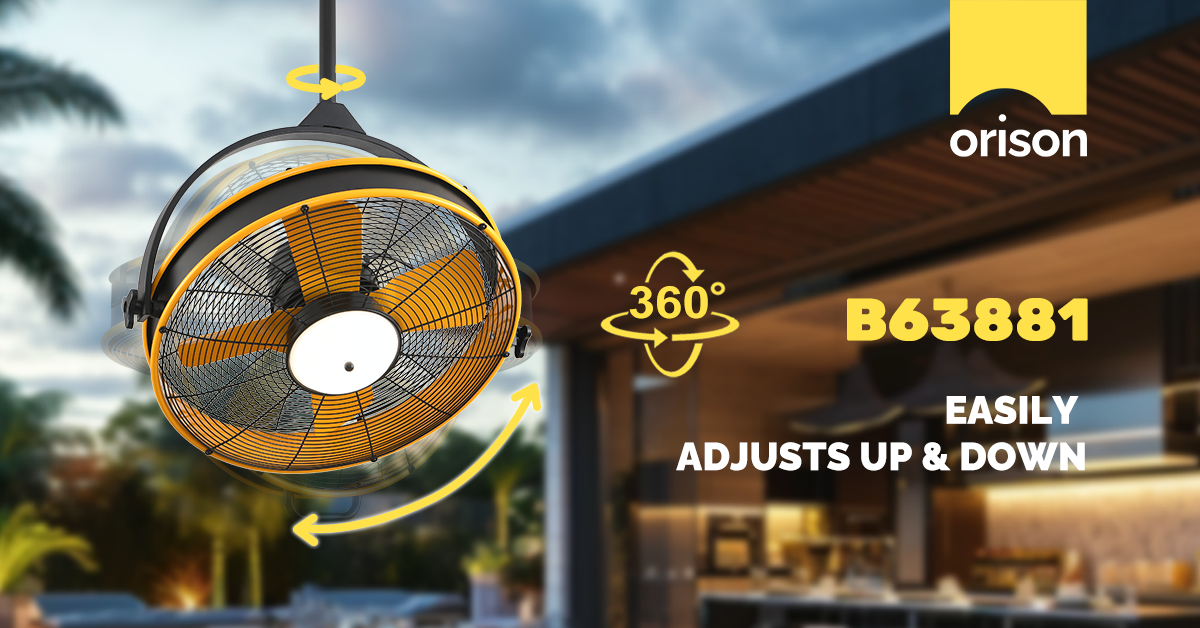
Measure ceiling height and clearances before anything else. A low ceiling (under 8 feet) needs a hugger or flush-mount model; higher or vaulted ceilings usually benefit from a downrod so the airflow reaches occupants. A 52-inch fan is a common sweet spot for medium patios, while larger terraces may need multiple units. Keep sightlines in mind: a black finish anchors a seating area and creates a visual frame rather than disappearing into the ceiling.
Performance basics that affect comfort
Focus on three performance points: airflow (CFM), motor type, and blade pitch. CFM tells you how much air the fan moves; higher numbers deliver breeze to more of the seating area. DC motors are quieter and more energy-efficient than standard AC motors, and they often offer more speed steps. Blade pitch—usually 12°–15°—influences how aggressively air is pushed; steeper pitch moves more air but demands a stronger motor. These technical choices translate directly into comfort on warm, humid evenings.
Weatherproofing and materials: ratings to watch
Outdoor fans should carry an IP or Wet/Damp rating. Damp-rated fans are fine for covered patios; wet-rated units withstand direct rain and are essential for exposed areas. Look for corrosion-resistant finishes and sealed housings if you live in coastal zones or places with heavy monsoon seasons—Kathmandu’s balcony gardens, for instance, benefit from corrosion-resistant blades and sealed motors. Choosing the right rating reduces maintenance and prevents premature failure.
Light integration and styling choices
A fan with integrated light is practical, but think about the light’s colour temperature and lumen output. Warm white (2700–3000K) creates a cosy evening ambience; cooler temperatures suit task-driven spaces. Consider dimmable LED modules for mood control and lower energy use. When pairing with surrounding fixtures, such as a dramatic indoor chandelier, a matte black fan is versatile and pairs well with brass or glass accents—so a chandelier ceiling fan style indoors can create a coherent transition from interior to exterior.
Design harmony: finishes, blade style, and decor
Black fans come in satin, matte, and textured finishes. Matte black is modern and minimizes glare; satin finishes reflect subtle highlights. Blade material—wood-look composite, aluminum, or engineered polymer—affects both weight and longevity. Choose blade shape to complement furniture lines: straight blades suit minimalist settings; curved or paddle blades add softness. Also consider reversible blades if you want two finish options in one fan.
Controls, smart features, and energy considerations
Remote controls, wall controls, and smart-home integration each offer different conveniences. Smart-enabled fans that support scheduling and voice commands can reduce wasted runtime. Energy-wise, look for Energy Star ratings and efficient DC motors to save on electricity. If you rely on a single switch, ensure the fan’s light and motor can be regulated independently to avoid over-lighting the space.
Common mistakes and how to avoid them
Many people choose a fan solely on looks and later find it underpowered, too bright, or incompatible with their mounting. Don’t assume standard fittings will match your existing canopy or downrod; measure and confirm compatibility. Neglecting IP rating is another frequent oversight—wet weather can quickly damage an indoor-only model. And remember to plan for installation access and wiring, as some decorative fans require heavier supports. —
Alternatives and test-driving options
If a fixed fan seems too permanent, consider portable outdoor fans or wall-mounted units that let you experiment with placement. For a more decorative interior-exterior continuity, pairing a statement black outdoor fan outside with a complementary indoor chandelier or chandelier ceiling fan inside can create a deliberate transition. Trial runs with a temporary mount or a rented unit can reveal airflow and scale issues before committing to fixture purchases.
Advisory closing: three golden rules for selecting the right fan
1) Match function to setting: choose wet-rated fans for exposed areas and damp-rated for covered patios; never assume one size fits all. 2) Balance form and airflow: pick a finish and blade style you love, but verify the CFM and motor type (DC vs AC) actually deliver comfort for your space. 3) Plan for integration: confirm mounting hardware, canopy fit, and smart or dimming compatibility with existing wiring to avoid last-minute surprises.
These rules make the choice predictable and the result pleasing for both daily use and entertaining. For reliable, stylish options that consider performance, weatherproofing, and smart features together, Orison often fits naturally into the conversation — practical, considered, and design-aware. —
Final thought — choose what feels good, and let the fan do the rest.