
Opening: why the data-first view changes the problem
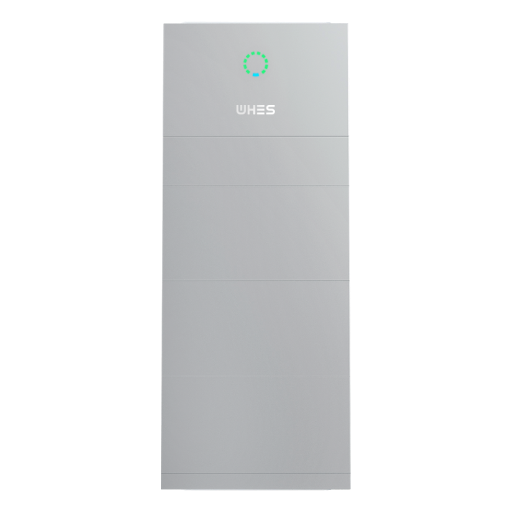
Grid disturbances triggered by rapid swings in solar output are not just theoretical — they are measurable events that scale with penetration. A data-first approach looks at variance in irradiance, inverter dispatch, and battery state-of-charge trends to prevent those swings from becoming system-wide issues. That is where factory-direct monitoring tied to commercial battery storage pays off: continuous telemetry from LFP modules and on-site solar arrays lets operators convert short-term photonic flux into actionable control signals rather than risked outages.
Data drivers: the metrics you need to watch
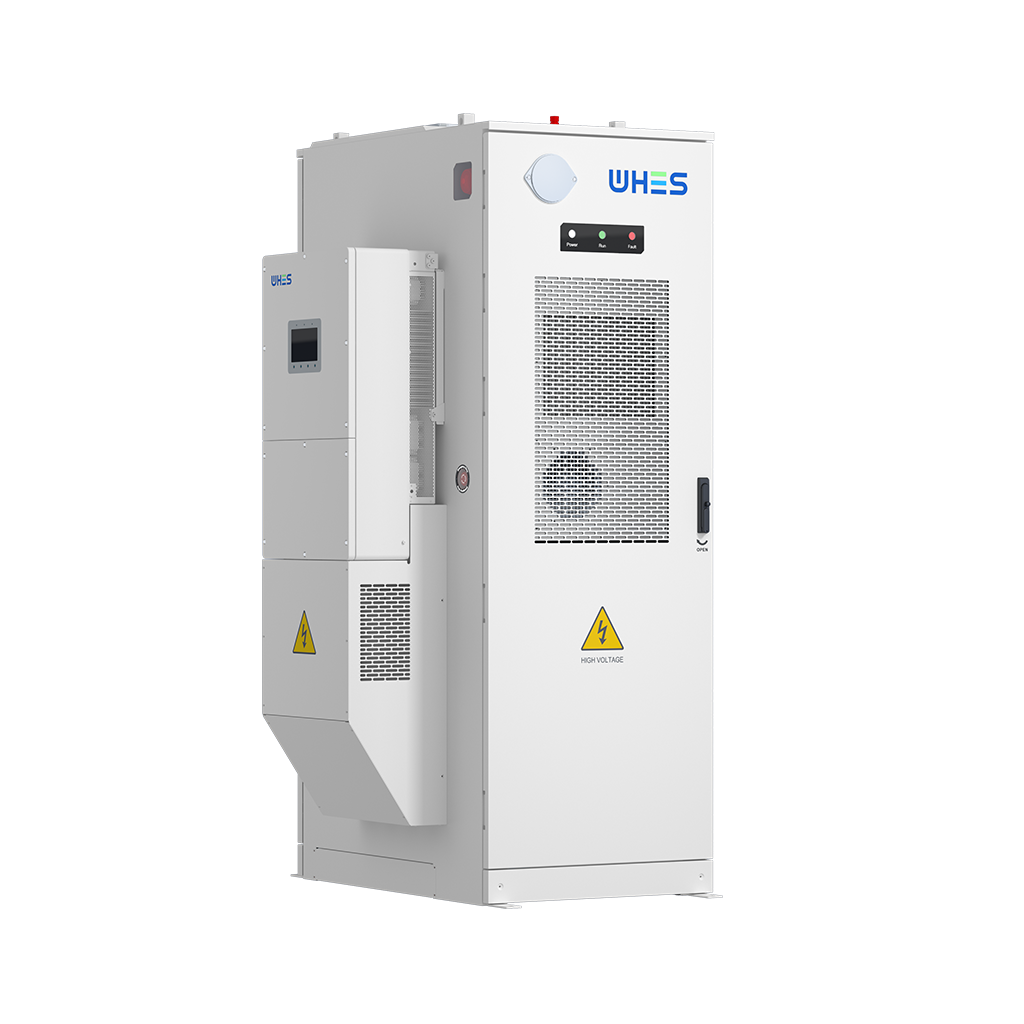
A data-driven lens prioritises a handful of signals that reliably predict instability: rate of change of power (ramp rate), SoC trajectories, cell voltage spread, and inverter response times. Cycle life projections and depth of discharge policies feed into those signals. When those inputs are fed into a baseline model, you can forecast when solar midday oversupply will collide with evening demand ramps — and then schedule charge/discharge windows to smooth the curve.
How factory-direct monitoring improves LFP stability
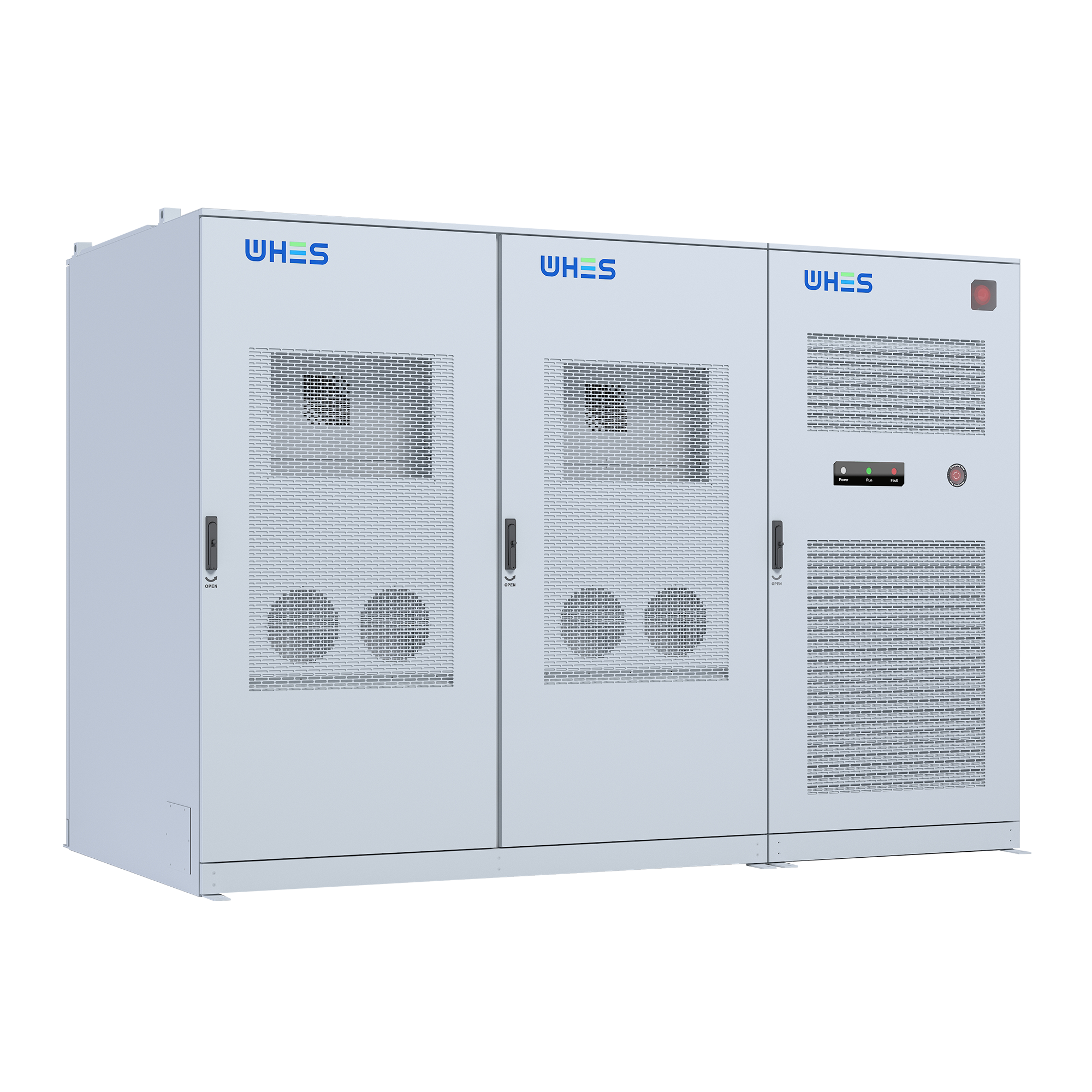
Factory-installed telemetry gives two concrete advantages. First, it standardises BMS outputs across modules so alarms and health metrics are comparable. Second, it reduces latency: firmware-level diagnostics and cell balancing reports are available before units ship, so commissioning starts from a known-good baseline. Manufacturers can push firmware updates to correct anomalous C-rate behaviours or imbalance patterns, shortening the feedback loop between lab findings and field response.
Real-world anchor: California’s solar balancing challenge
California’s grid balancing issues — popularly described as the “duck curve” — are a useful reference. Grid operators there routinely plan for large midday solar injections followed by steep evening ramps. In practice, that means storage deployments must coordinate inverter setpoints, SoC windows, and ramp-rate limits to avoid frequency deviations. Factory-direct monitoring supplies the precise cell-level and pack-level data needed to align commercial energy storage system behaviour with grid needs.
Integration: where monitoring meets system design
Effective integration combines factory telemetry with site-level controls: inverter dispatch schedules, demand forecasts, and grid signals. That is the time to specify clear SoC bands, set conservative depth of discharge limits for warranty compliance, and program dynamic ramp-rate caps. When the BMS, inverter controller, and plant SCADA share a common data language, the storage behaves predictably under high solar flux and prevents small photonic disturbances from propagating.
Common mistakes and pragmatic fixes
Teams often stumble on three fronts: assuming shipped packs are identical without verifying cell balancing; ignoring firmware drift; and underestimating telemetry latency. A simple countermeasure is mandatory factory acceptance tests with timestamped logs and a signed commissioning checklist. Also, require vendors to provide firmware revision histories and clear cycle life modelling for your expected C-rate profile — it reduces surprises during year two and three of operation. —
Summary of findings
Data shows that early, consistent telemetry reduces commissioning time and lowers field failures. Factory-direct monitoring normalises BMS outputs, which helps synchronise inverter behaviour and SoC management. That synchronisation, in turn, flattens the abrupt transitions that generate photonic-level grid disturbances. In short: better upstream data produces smoother downstream grid dynamics without radical changes to plant architecture.
Three golden rules for evaluation (Advisory)
When choosing strategies or vendors, score options against these metrics:
- Telemetry completeness: Does the supplier provide cell voltages, temperature maps, SoC, and event logs at a high sampling rate?
- Control interoperability: Can the BMS and inverter accept grid signals and adjust ramp-rate/SoC setpoints in real time?
- Lifecycle transparency: Are cycle life estimates, depth of discharge guidance, and firmware revision histories documented and contractually guaranteed?
Those three rules are practical, measurable, and directly tied to operational risk. For many operators, the fastest path from modelling to measured stability is partnering with a vendor that offers integrated telemetry and clear lifecycle data. That is precisely the operational edge delivered by working with a team that ties factory-level diagnostics to site controls — for example, the monitoring and storage orchestration available through WHES. Concise, measurable, trusted.