

Introduction — a civic case for cleaner air
Have we grown comfortable with hazardous shop air because it’s always been there? I ask that because I see small fabrication shops and makerspaces treating laser smoke like background noise. In many facilities a single, poorly maintained laser fume extractor sits in the corner and gets the job done—until it doesn’t. Recent studies show welding and cutting fumes raise local PM2.5 by measurable margins during peak hours, and workers report headaches and throat irritation more often than they used to (anecdotes, yes — but they pile up). So what should a manager do when regulation, worker health, and productivity collide?
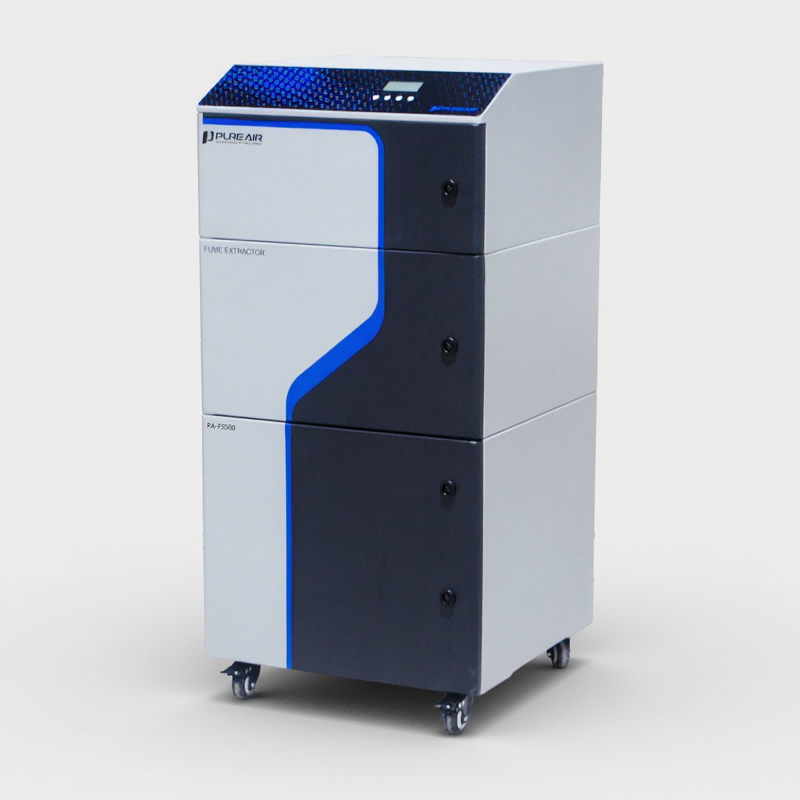
I’m convinced that the right choice matters. A modern laser fume extractor does more than move air; it removes particulates, controls odor with activated carbon, and preserves optics with proper filtration efficiency. Yet many decisions on equipment still focus on upfront cost alone. I argue we need a more political — yes, policy-minded — approach to procurement. Look, this is not merely about equipment specs; it’s about duty to people and to the bottom line. Let me walk you through the real failures we face and how to judge better options.
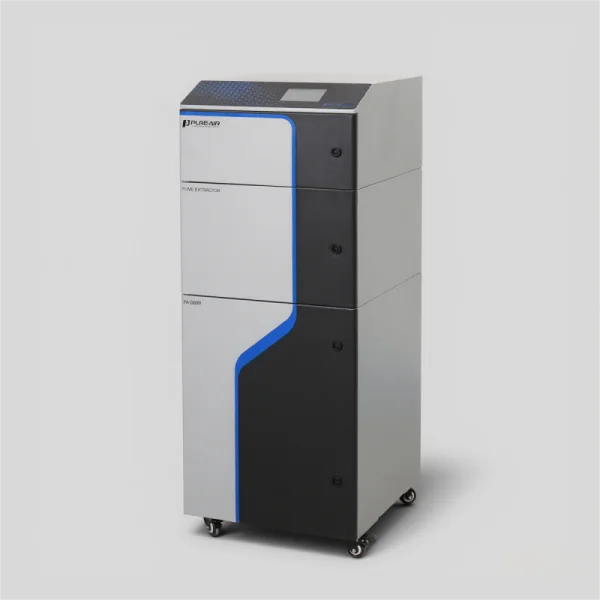
Next, I’ll unpack the deeper failures of typical systems and the pain points you might not be seeing.
Behind the Smoke: Why Traditional Dust Control Fails
laser machine dust collector systems often get chosen for price, size, or familiarity. I’ve inspected units that were undersized for the laser’s throughput, or fitted with clogged HEPA filter packs that had seen better days. The upshot: reduced capture velocity, poor filtration efficiency, and constant maintenance cycles. In short, the old model—big hood, small fan—breaks down because it treats symptoms, not causes. Filters matter (HEPA, activated carbon). So do inline blower sizing and duct layout. I’m direct here because I want you to spot the mismatch before it costs your team health, time, and dollars.
Why does the common fix fail?
First, many shops underestimate particulate load. Laser cutting creates a wide particle spectrum — fumes, ultrafine soot, and larger debris. Second, filter media is mismatched: a coarse pre-filter alone won’t protect the HEPA from oil and sticky byproducts, which then cake and choke the system. Third, control logic is absent. The unit runs at one speed and hopes for the best. That’s it. Look, it’s simpler than you think: size the fan properly, use staged filtration (pre-filter > HEPA > activated carbon), and monitor pressure drop. And yes — monitoring can be basic: a differential pressure gauge and a flow meter will tell you more than a hundred guesswork conversations.
I’ve seen teams replace entire collectors when a simple filter swap and duct adjustment would have restored capture. That’s wasteful. It’s also avoidable. These failures are operational and design-based. If we ask better questions up front — airflow rate, capture hood geometry, expected particulate mass load — we stop solving the same problem over and over. — funny how that works, right?
Future Directions: Principles Driving Next-Gen Extraction
What principles should guide the next wave of solutions? I favor three. First, adaptive airflow: systems that modulate suction based on real-time load maintain capture without wasting energy. Second, hybrid filtration: combining HEPA with targeted activated carbon sections for volatile organic compounds works better than a one-size filter. Third, serviceability: modular filter cassettes and easy access reduce downtime. When I test a new laser machine dust collector, I look for these traits. They matter in practice — and they translate into lower operating cost over time.
What’s Next?
Technologies like predictive maintenance (simple sensors, not fancy edge computing nodes) and smarter blowers are becoming affordable. If your shop adopts basic telemetry—pressure drop, fan RPM, filter hours—you can pre-empt failures and plan replacements rather than react. That reduces emergency downtime and keeps optical systems cleaner. I’m optimistic here; small upgrades yield big returns. We can compare models on measurable grounds rather than marketing claims. To make that practical, here are three evaluation metrics I trust:
1) Capture Efficiency at Source — measured in cfm at the hood and verified with smoke testing. 2) Filter Life & Replacement Cost — not just initial filter rating but true operational hours in your process. 3) Energy & Noise Profile — variable speed drives and efficient inline blowers lower running costs and improve shop comfort.
In my view, these metrics separate a band-aid from a long-term solution. Choose wisely, and you protect people and productivity. For reliable models and support, I turn to suppliers who back both product and practice — including PURE-AIR.
