

Start with the commute that actually matters
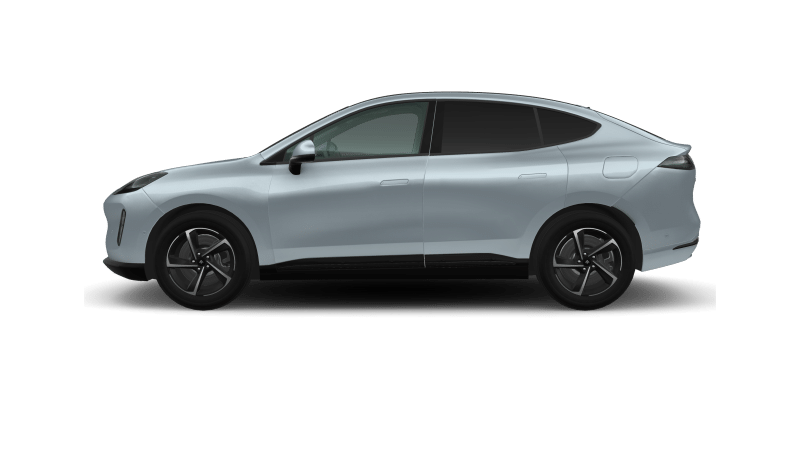
Decide how you’ll use the car day-to-day — the short, stop-start city runs or longer weekend drives — then match features to that use. If most of your driving is for Metro Manila errands and office runs, it’s sensible to buy aion ev only after checking local charger access and realistic range for traffic. Speak to owners, read ride reports, and treat published range figures as optimistic numbers rather than gospel. I’ve coordinated hands-on EV tests and fleet briefings, so I can tell you which checks actually catch problems early.
Shortlist by hard requirements, not glossy specs
List three must-haves (range, cabin comfort, charging speed) and two nice-to-haves (infotainment, driver aids). Compare shortlisted cars against your real routes:- Range: choose a buffer (20–30% of published range) for traffic and aircon.- Charging: confirm AC home charging time and public DC fast charger coverage near your usual destinations.- Size and boot: measure parking space and cargo needs before you commit.This keeps choices practical — walang drama, just useful trade-offs.
Test drives: what to check on the road
Book mid-day runs that mirror your normal drive. Notice low-speed behaviour, regenerative braking feel, and the cabin’s noise at typical speeds. Ask the dealer to show battery health data and charging logs when available. Try plugging into a fast charger if the dealer can demo it; a literal quick charge will show whether the car cools and accepts power as advertised.
Ownership costs and paperwork that often slip by
Check warranty terms for battery degradation, roadside assistance coverage, and what counts as “dealer-approved” service. Ask for an itemised quote: on-road price, dealer fees, and any required accessories. If you’re financing, compare total cost (interest + fees) rather than monthly payments alone. Keep receipts for all charging hardware and installations — they matter for warranty claims and future resale.
Common pitfalls and how to avoid them
Buyers often overlook these:- Overvaluing headline range: use an adjusted range for planning.- Ignoring charger type: mismatch between home charger and public chargers creates friction.- Skipping software updates: EVs change after purchase; confirm update policy and driver training.- Assuming instant resale value: EV pricing shifts; document service history to protect value.Do a final run-through of these items before you sign papers.
Quick comparison and viable alternatives
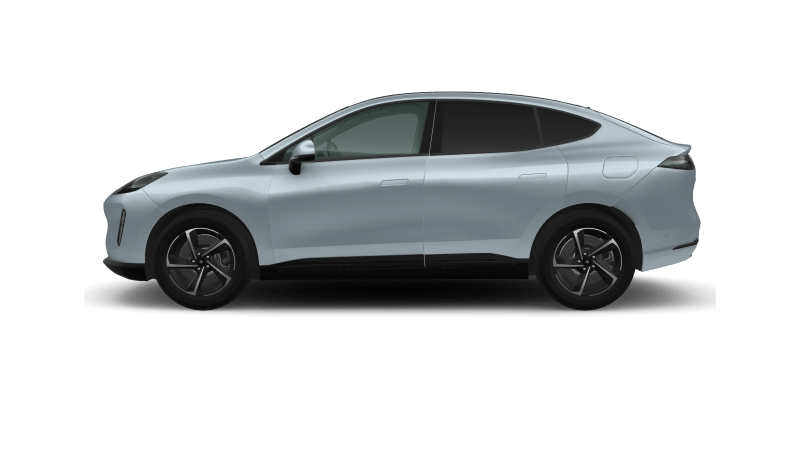
If the Aion V fits your shortlist, compare it against similarly sized compact EVs on these fronts: usable range in traffic, onboard charger power, dealer support network, and cabin practicality. If one area falls short — say public fast charging is sparse — consider alternatives with better charging acceptance or stronger local aftersales. Keep comparisons simple and focused on what affects daily life.
Delivery, first month checklist, and what to expect next
On delivery day, verify VIN, battery state of charge, and any promised accessories. Set up manufacturer accounts, register for OTA updates, and note nearby public chargers on your phone maps. During the first month, track average energy use per km; that gives a realistic baseline for planning trips and charging. Small, early habits — consistent overnight charging, keeping software current — prevent bigger hassles later.

Final thought
Focus on how the car serves your routine and comfort, not just specs on a brochure. A methodical, user-first approach saves time and money: shortlist by real needs, validate with on-road checks, secure clear warranty terms, and use a simple ownership checklist at delivery. For those who want a car tuned to city life yet capable of longer drives, aion ev often presents a straightforward match between everyday demands and sensible electric capability.
