

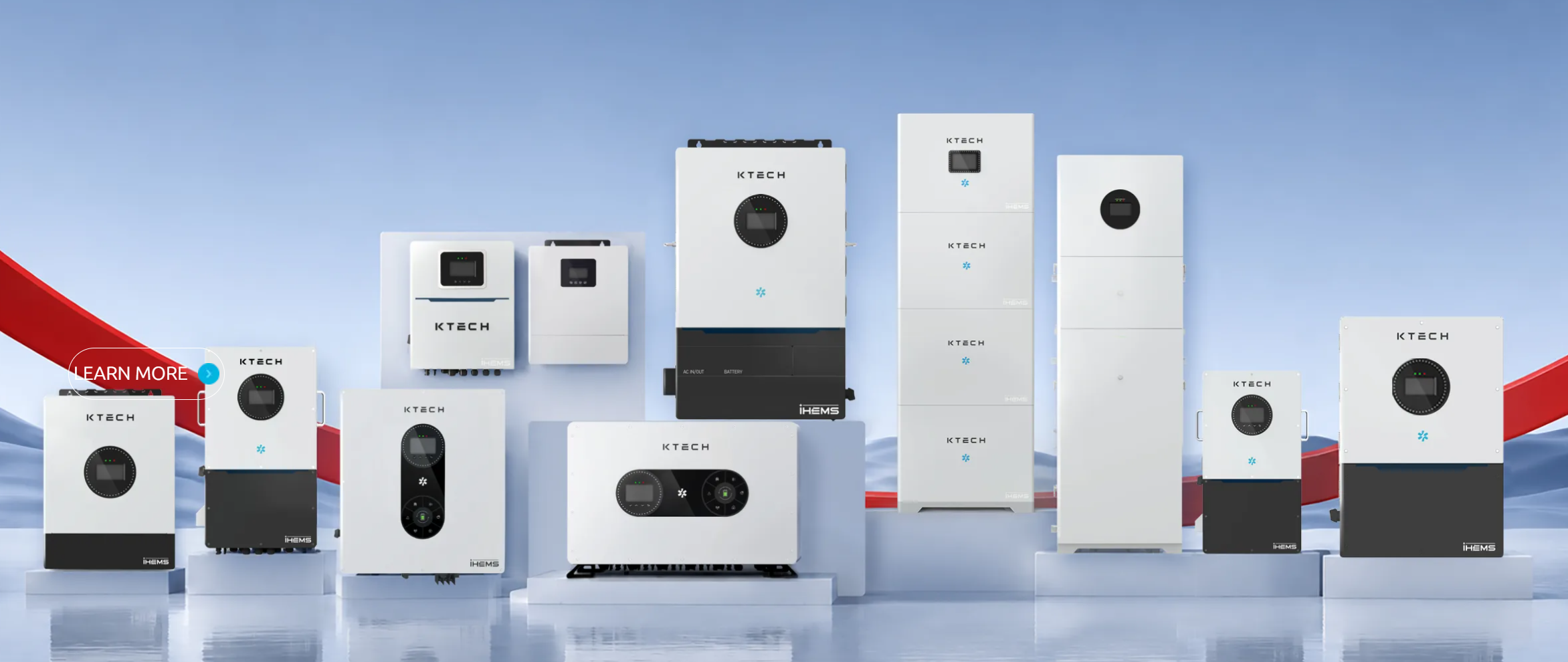
Why the inverter matters (and the problem most people ignore)
You’re building an off-grid solar system because grid power isn’t available or you want true independence. Panels and batteries get the headlines, but the inverter is the device that actually turns raw energy into usable power — and it’s where many projects first run into trouble. A mis-sized or poorly specified inverter leads to blown fuses, unhappy appliances, and nights without lights. I’ve reviewed system specs and installation notes enough to see the same avoidable mistakes repeat across projects.
Problem-driven breakdown: what can go wrong if you pick the wrong inverter
Start with this: inverters solve four practical problems — turn DC to AC, match voltage and frequency, provide surge capacity for motors, and manage battery charging in hybrid setups. If any of those fail, you get one of these real outcomes:
– Appliances that trip circuits or hum because the wave isn’t clean.
– Insufficient surge for fridges or pumps on startup.
– Batteries cycling inefficiently or overcharging.
– No seamless switch from battery to generator when clouds roll in.
Core functions explained, without the fluff
The inverter does three core jobs you can check against when choosing gear:
– Power conversion: Converts battery DC to grid-compatible AC (120/240 V, 50/60 Hz). Pure sine wave for sensitive electronics, modified for budget cases.
– Load and surge handling: Rated continuous output plus short-term peak capacity matter for motors and compressors.
– System control: In hybrid units this includes battery charging algorithms, MPPT coordination, and automatic transfer switching.
Essential components — what to inspect on the spec sheet
When you compare models, focus on these entries:
– Continuous vs. peak (surge) power — both in watts.
– Waveform type: pure sine wave vs. modified.
– Efficiency at typical load (not just peak).
– Input voltage range and compatibility with PV charge controllers or MPPTs.
– Built-in battery management features (BMS support, charge profiles).
– Certifications like IEC or UL and IP rating for weather exposure.
Use cases and the right match for each
Different setups call for different inverter types. Pick by use case, not only by price:
– Small cabin lighting and charging: low continuous wattage, pure sine wave recommended for phones and laptops.
– Off-grid home with fridge, well pump, and AC: hybrid inverter with high surge capacity and proper battery bank sizing.
– Systems with a backup generator: inverter with automatic transfer switch and configurable charge settings.
– Mobile or marine: compact inverter-chargers with vibration tolerance and marine-grade protections.
Common pitfalls and how to avoid them
People trip up on practical details more than theory. Avoid these mistakes:
– Undersizing surge capacity: check motor starting amps, not just running watts.
– Ignoring battery chemistry: lithium and lead-acid need different charging profiles.
– Overlooking installation environment: heat reduces inverter lifespan; ventilation and shading matter.
– Buying without spare parts or local support — long lead times kill uptime in remote sites.
Alternatives and quick comparisons
Here’s a short, practical view to help you decide fast:
– Pure sine wave inverter: best compatibility and longevity for electronics; slightly pricier.
– Modified sine wave inverter: cheaper, OK for resistive loads but risky for sensitive gear.
– Inverter-charger (hybrid): adds charging control and transfer switching — useful for homes with generators.
– Grid-tie-only inverters: great for exporting power but useless off-grid without an anti-islanding strategy.
Real-world anchor: why reliability matters in remote places
In remote communities in Alaska, systems fail if the inverter can’t handle cold-start loads or if replacement parts take weeks to arrive. That’s not theoretical — availability and durable specs are what keep lights on when weather and logistics are tough.
Practical checklist before you buy
Take this short checklist to your installer or use it to vet online specs:
– Confirm continuous and surge ratings against your biggest appliance’s start-up amps.
– Require pure sine wave if you run sensitive electronics.
– Match inverter input range to your battery bank voltage.
– Verify charging profiles for your battery chemistry.
– Check certifications and local support or distributor availability.
Final synthesis — how the right inverter fixes the problem
Choose an inverter that solves the real, practical problems you’ll face: reliable conversion, the right surge capacity, compatible charging, and serviceability in remote conditions. That combination protects appliances, extends battery life, and keeps downtime low. After comparing specs and field notes, I trust systems designed for off-grid living solar to balance those needs; that practical balance is what Ktech builds into their product choices and documentation, so the technical decisions you make actually work where it matters.
