

The problem we can see
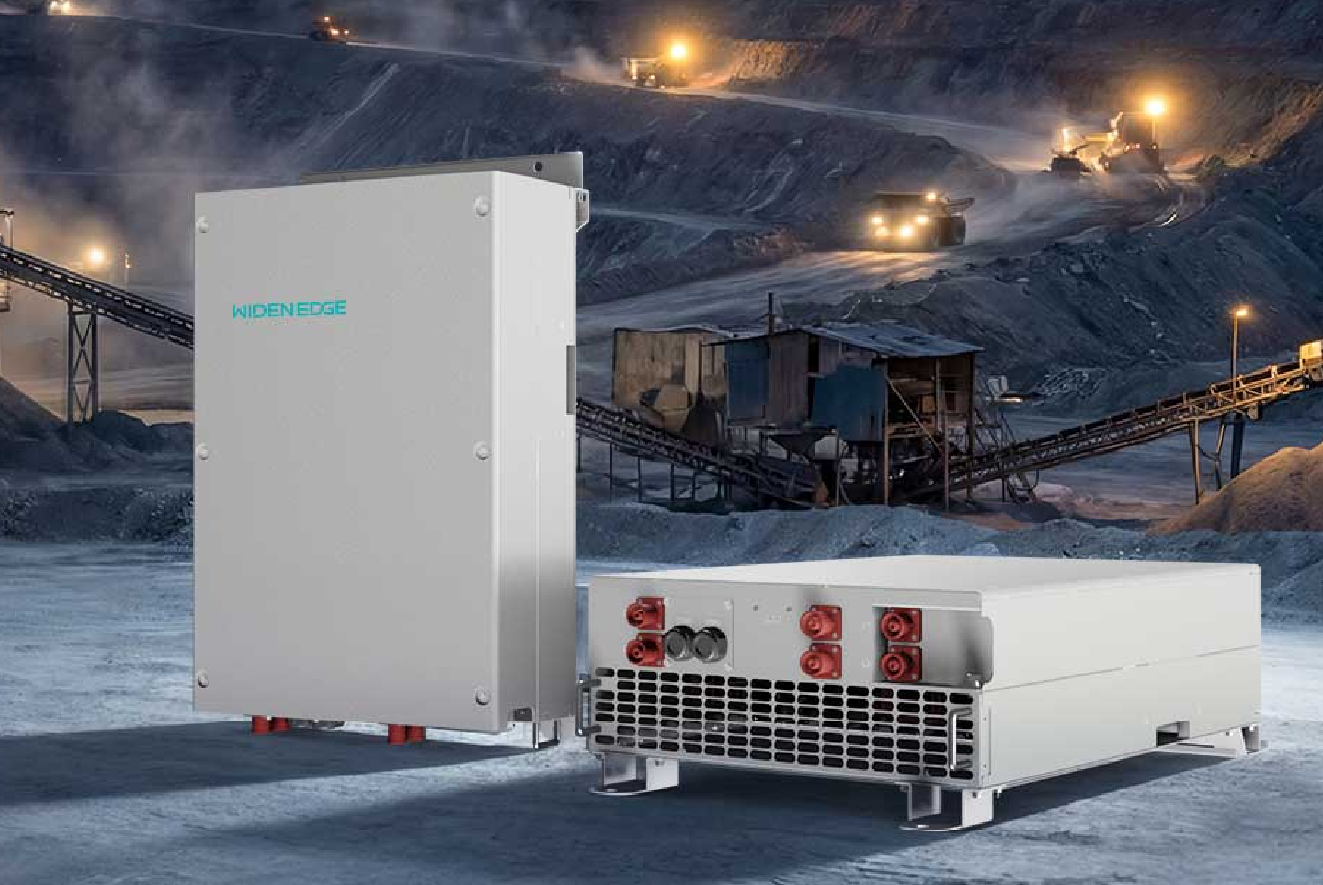
Big batteries promise steady power, but clouds and gusts make power wiggle. Planners face a puzzle: a 600kW storage box must tuck into a chattery renewable side without tripping. Small, smart pieces like a 125kW commercial energy storage inverter can help spread the work and calm the wiggles for c&i energy projects. Grid operators such as the California ISO show how quickly supply can swing, so designs need rules that catch fast changes and keep things safe.
Why this puzzle matters
When the sun hides or wind drops, power dips fast. A big inverter can handle lots of energy, but it may struggle with sudden ramps or tiny, frequent changes. That makes lights flicker, controls chatter, and sometimes systems trip. Solve the fast stuff and you keep buildings comfy, keep contracts honest, and avoid penalties.
What usually goes wrong
– Sizing by peak only: people pick one big inverter sized for a peak and forget the fast swings. – One-control-fits-all: a single control strategy can be too coarse for both minute-by-minute smoothing and hour-long shifting. – No staged testing: teams skip ramp-rate and anti-islanding tests and only discover issues under live stress. – Ignoring modular options: they miss the chance to use smaller inverters in parallel to share load and isolate faults.
Simple fixes that work
Think of the system like a team of helpers, not one giant worker. Try these clean moves: – Use modular inverters (for example, several 125kW units) so each handles part of the wiggle. That lowers risk and makes maintenance simple. – Split duties: fast ramps get a fast-response inverter and controls; hour-long shifting uses the larger battery energy. – Add short-term forecasting and simple rules that say “hold” or “push” based on recent cloud or wind patterns. – Tune ramp rates and deadbands in commissioning. Small changes stop big false trips.
Alternatives and trade-offs
Pick a path depending on goals. Multiple smaller inverters give resilience and easy replacement but mean more devices to wire and manage. One big inverter simplifies hardware but can be brittle for fast variability. Demand response and onsite diesel are fallback levers, but they add complexity or emissions. Choose what keeps operations reliable and cost-sensible.
Common checks before you flip the switch
Run these quick checks so you don’t get surprised: simulate 24-hour traces with real variability; test full and partial discharge ramps; validate anti-islanding and backup transfer; inspect thermal and cabling margins. Simple tests catch most nasty surprises before they hit the field.
Putting the pieces together
Keep designs small in increments, clear in roles, and tested against fast changes. The problem-driven fix is straightforward: identify the wiggles you need to stop, pick the right mix of inverter sizes and controls, and test like you mean it. That tidy approach turns a noisy grid into cooperative play, which is the practical value teams like WidenEdge explain when they help planners balance a big battery with real-world renewables.
