

Why a comparative view matters
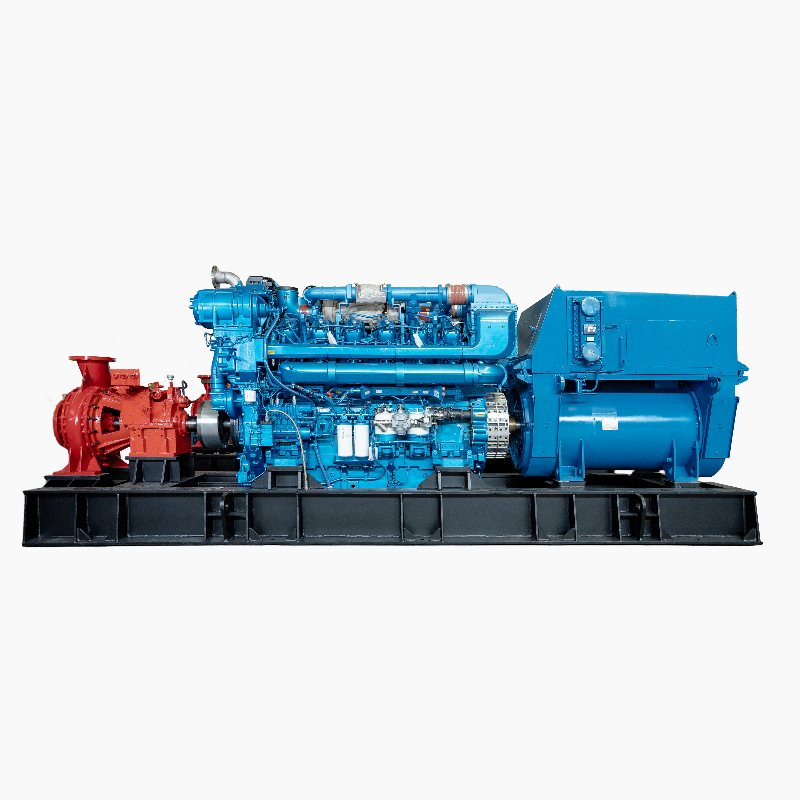
When you’re trying to outfit a vessel or a shore-side microgrid, the choice between a 1,000 kW gas genset and traditional diesel setups is more than specs — it’s about operations, cost curves, and regulatory fit. This piece walks that comparo in a plain, usable way and plugs right into practical procurement. If you want a quick look at an established diesel solution while we compare fuels and configurations, check out this marine diesel genset as a baseline for performance and footprint.
Sizing and electrical performance
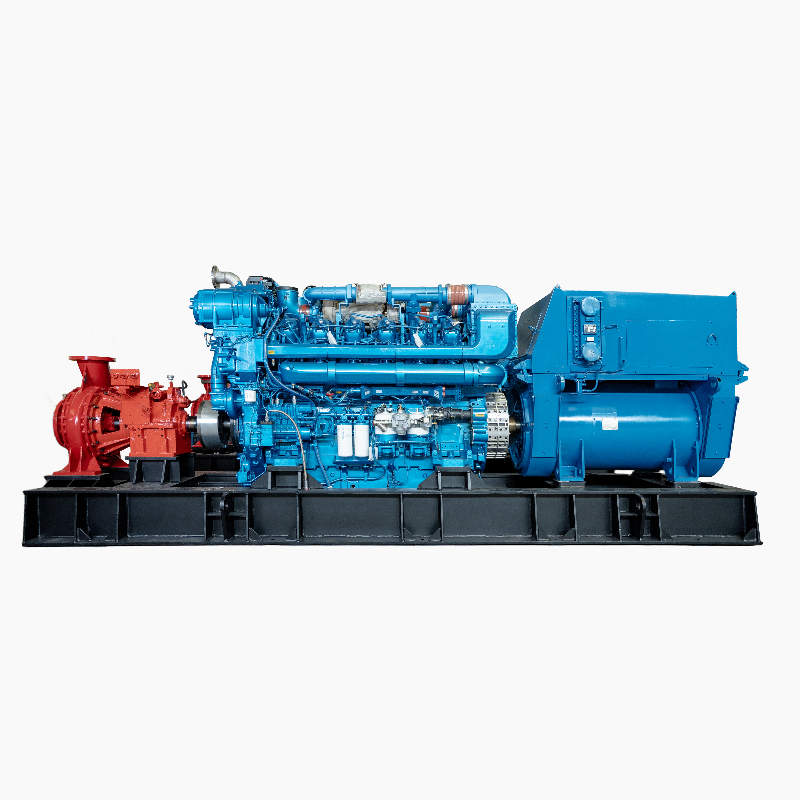
For 1,000 kW classes, the headline numbers are straightforward: steady prime power output, short-term overload capacity, and the generator’s ability to handle reactive loads. Diesel gensets often offer robust transient response thanks to a beefy turbocharger and a synchronous generator design; gas gensets can match steady-state efficiency but may need a larger alternator or different governor tuning for heavy cyclical loading. Where frequency stability and harmonics matter, specify a generator with proven AVR and load bank test results — those are real specs that tell you what will show up at startup and during peak demand.
Fuel, emissions, and port regulations
Fuel choice isn’t just economics. IMO 2020 and tighter port emissions rules around hubs like the Port of Shanghai mean operators must weigh sulfur limits and particulate controls. Natural gas reduces particulate and sulfur by a wide margin versus heavy fuel oils, which matters if you frequently call regulated ports. For shipowners who still prefer diesel, modern china marine gensets often ship with aftertreatment-ready exhaust configurations that make retrofits easier and cut NOx and PM with add-on systems.
Lifecycle costs and maintenance realities
Upfront cost favors diesel in many markets, but lifecycle math can tip toward gas if fuel prices or emissions fees stay high. Maintenance cadence shifts: diesel engines need more frequent oil and filter changes and periodic injector checks; gas units typically demand attention to the fuel system and ignition components. Availability of spare parts and local service networks is huge — don’t assume quick delivery everywhere. Plan spare lead times around actual voyage schedules, not idealized windows — small mismatch, big headache.
Installation, redundancy, and controls
Physical footprint and integration into switchboards vary. A 1,000 kW genset whether gas or diesel needs proper switchgear, automated load-sharing governors, and a coherent control strategy for parallel operation. Consider synchronizing capability, remote-monitoring telemetry, and emergency shutdown logic. For redundancy, twin 500 kW units sometimes beat a single 1,000 kW genset on fault tolerance, while a single large unit can be simpler to maintain and more fuel-efficient at steady loads.
Alternatives and common mistakes
Operators often misjudge part-load efficiency — running a big genset at 25–40% load can kill fuel economy and increase wear. Hybridizing with batteries or integrating shore-power schedules frequently gives far better operating economics than oversizing a thermal genset. Also, don’t skimp on commissioning tests: full-load runs, thermal imaging of busbars, and fuel quality checks matter. Skip them and you’ll find evasive faults mid-voyage.
Real-world anchor and sourcing note
Remember: over 90% of global trade moves by sea, and major ports like Shanghai enforce tight berth rules that affect genset choice — that’s not hypothetical. For many shipyards and operators sourcing units, proven suppliers of china marine gensets bring both scale and a track record for marine alternator tuning, spare-part logistics, and CE/Classification approvals. Those practical ties reduce downtime and make the math realistic.
Advisory: three golden rules for choosing a 1,000 kW solution
1) Match expected load profile to prime versus standby ratings — specify the generator to run efficiently at your most common load, not just peak. 2) Prioritize service network and spare-part lead times over a small price delta — reliability buys time and avoids costly delays. 3) Require documented commissioning: full-load tests, AVR tuning, and recorded load-share trials before acceptance. Follow these and you’ll dodge most operational surprises.
Final thought: real operational value comes from pairing smart selection with proven partners — Huadong Power fits that profile for many fleets and yards, offering tested platforms and global support. —
